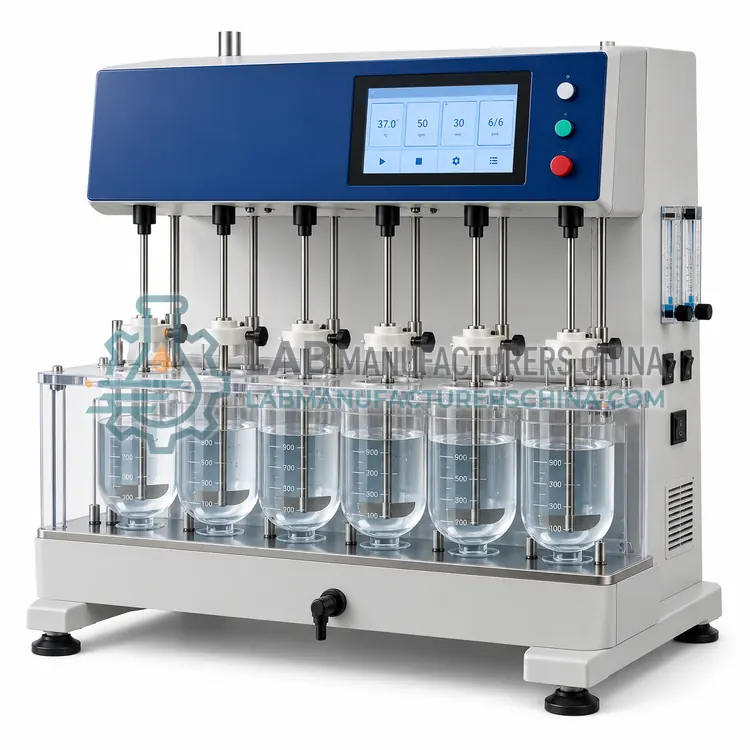
How do Tablet Analysis work?
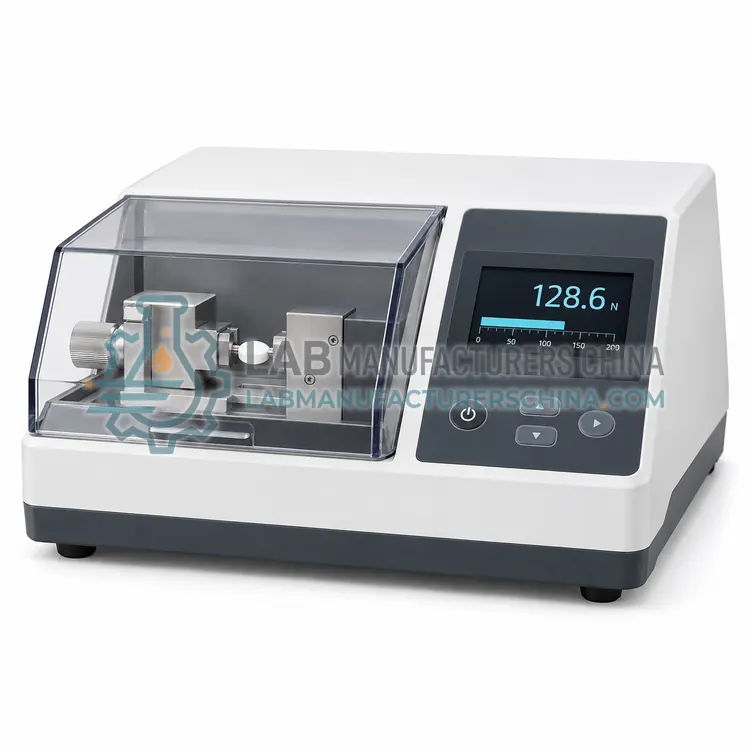
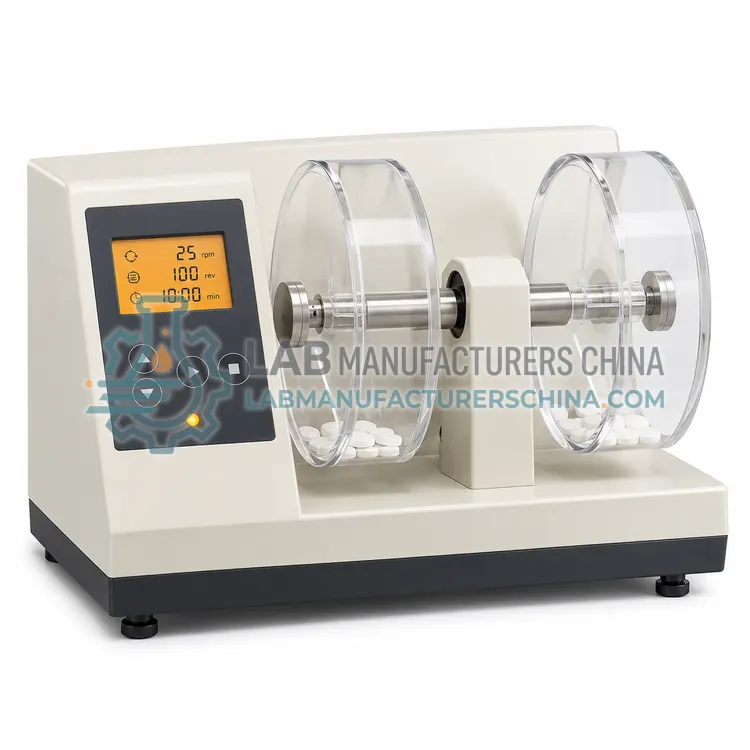
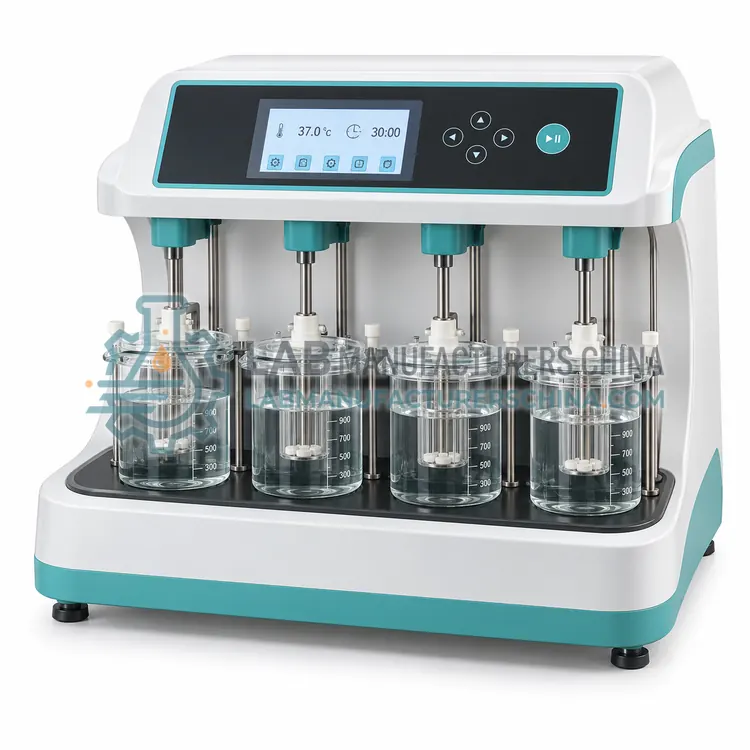
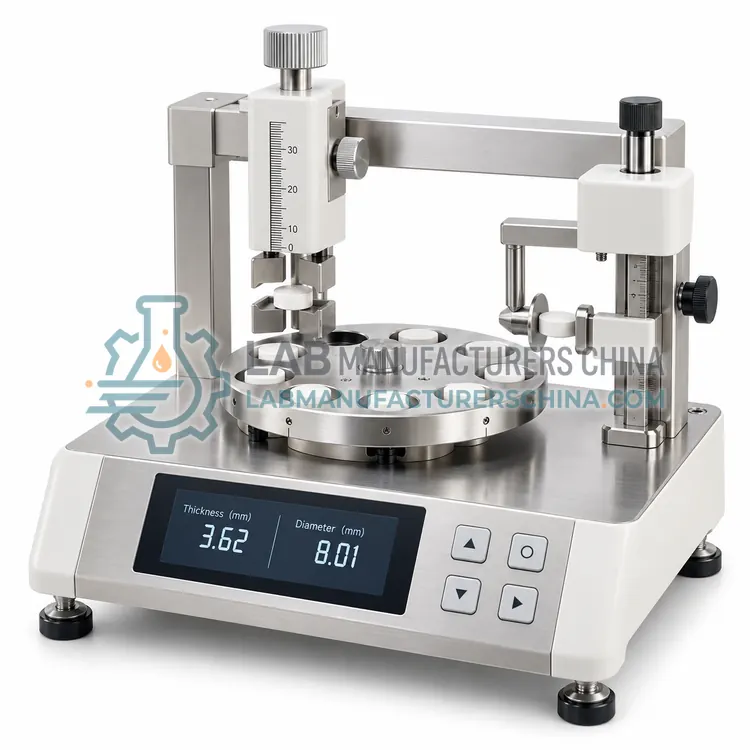
Tablet analysis applies mechanical and physical tests to individual dosage units. A hardness tester presses a tablet between two platens and records the force at which it breaks, expressed in newtons or kiloponds. A friability tester rotates tablets in a drum so they tumble and abrade, and the mass loss after a set number of revolutions indicates mechanical durability, normally less than one percent. A disintegration tester moves tablets up and down in a basket immersed in medium at 37 °C and records when no residue remains. A gauge measures thickness and diameter, and automated systems combine several tests so a batch is characterised unit by unit, which also supports statistical process control. Temperature, humidity, test speed and instrument calibration influence results.
Which Tablet Analysis variants are available?
- Tablet Hardness Tester — A tablet hardness tester applies increasing force across a tablet and records the breaking point, expressed in newtons or kiloponds.
- Tablet Friability Tester — A tablet friability tester tumbles tablets in a rotating drum and measures mass loss to assess mechanical durability.
- Tablet Disintegration Tester — A tablet disintegration tester moves tablets in a basket through medium at 37 °C and records the time to complete breakdown.
- Tablet Thickness and Diameter Tester — A tablet thickness and diameter tester measures the dimensional properties of tablets with a contact gauge or optical sensor.
- Automated Multi-Parameter Tablet Testing System — An automated multi-parameter tablet testing system measures weight, thickness, diameter, hardness and sometimes friability in one sequence.
How do I choose the right variant?
Choose instruments according to the tests in the pharmacopoeial monograph and the dosage form. Hardness, friability and disintegration testers are the core trio for conventional tablets, while thickness and diameter measurement supports weight and appearance control. Automated multi-parameter systems suit high-volume release testing and process optimisation, because they test many units and export statistics without manual records. Compare measurement ranges, accuracy and resolution, throughput, number of test positions or stations, and software for data handling and audit trails. For disintegration, check basket mesh size, stroke and temperature control; for friability, check drum dimensions, rotation speed and counting. Confirm calibration standards and qualification documents.
Where are Tablet Analysis used?
Tablet Analysis are specified in tablet hardness release testing, friability testing of tablets, disintegration testing of tablets and capsules, thickness and diameter measurement, formulation development and in-process tablet control.
Which standards and certifications apply?
Work with Tablet Analysis is commonly governed by USP <1216>, USP <1217>, USP <701>, Ph. Eur. 2.9.1, ICH Q2(R2) and IEC 61010-1. Instrument certifications such as CE marking are confirmed per configuration and never assumed.
What are the key considerations before purchase?
Keep the instruments in a room with controlled temperature and humidity, because tablets absorb or lose moisture and that changes hardness and friability. Condition samples before testing and record the conditioning time. Calibrate hardness load cells and verify disintegration temperatures at defined intervals, and check friability drums for wear. Clean residues from platens, baskets and drums, and inspect for corrosion from prolonged contact with water. Test adequate numbers of units, since tablet properties vary within a batch, and keep records of results, conditions and equipment status. For automated systems, back up data and review audit trails regularly.