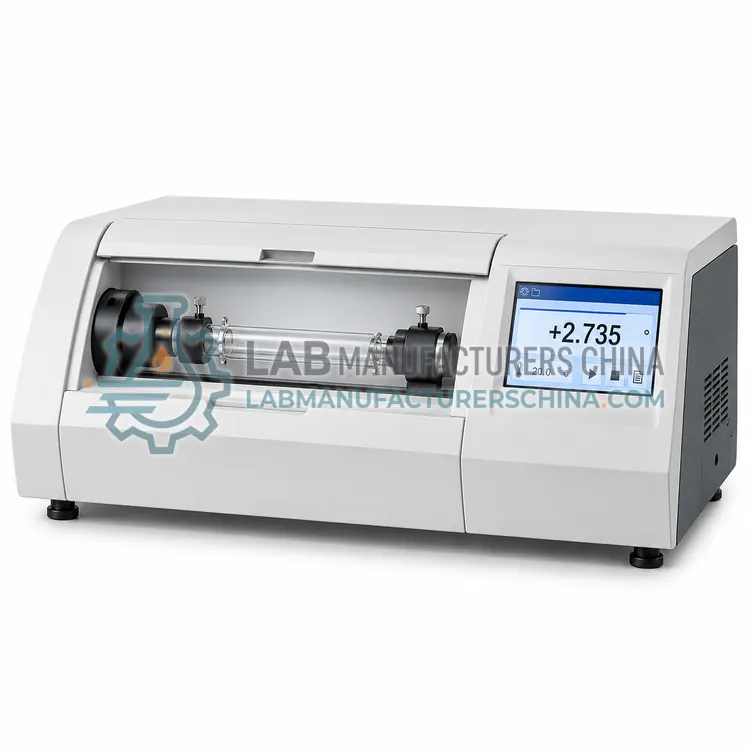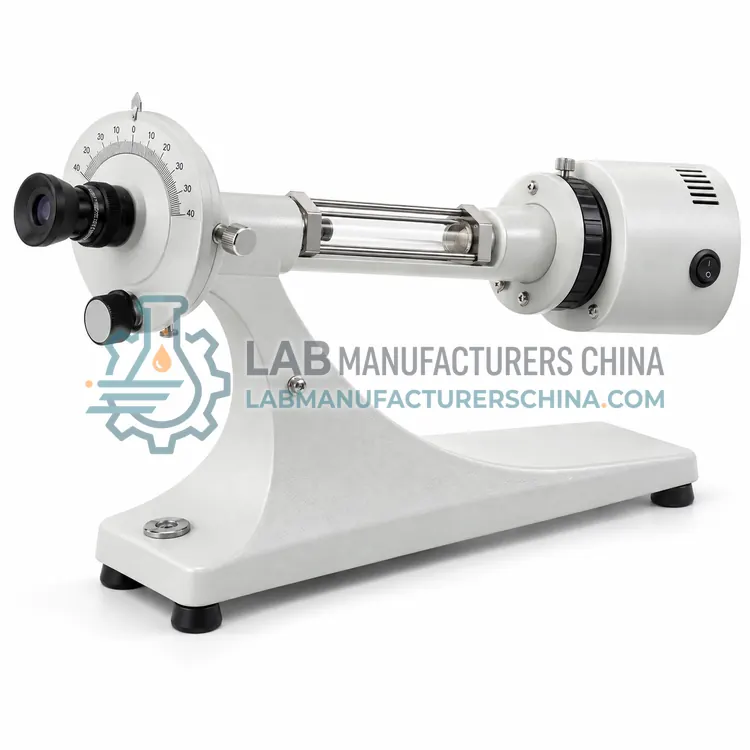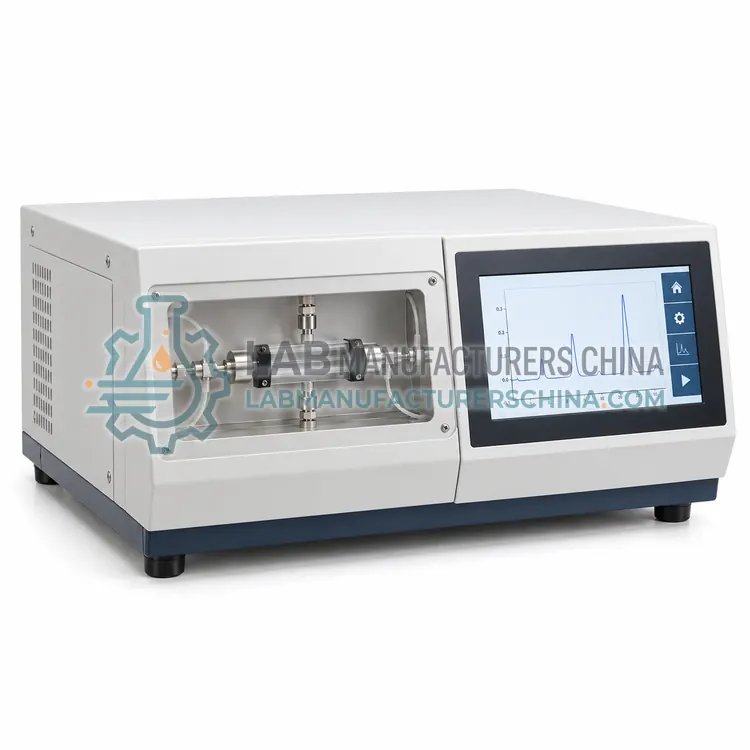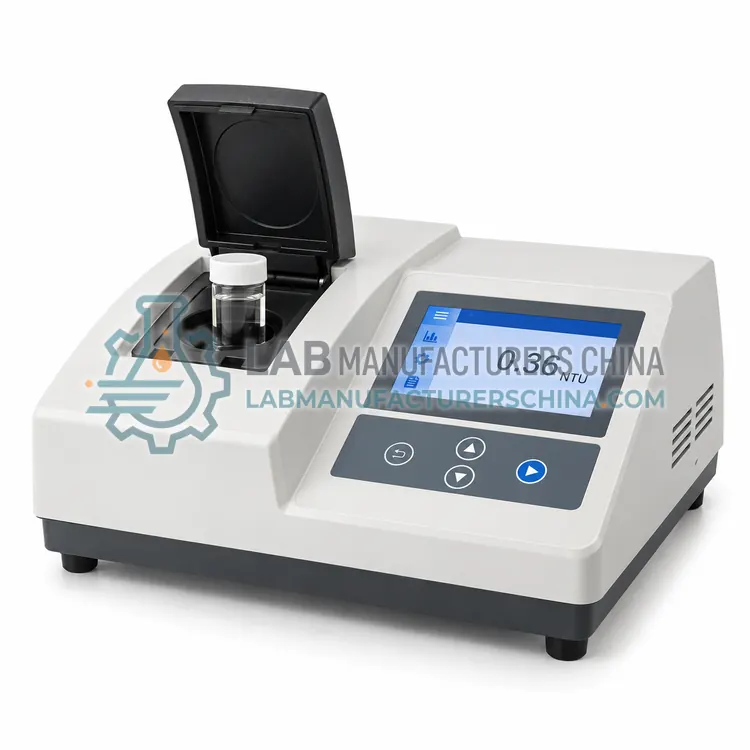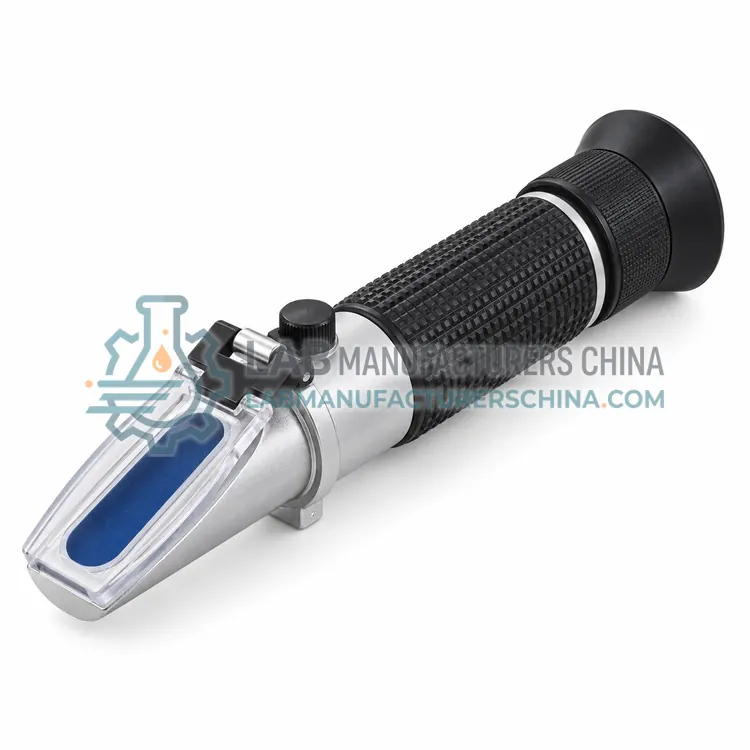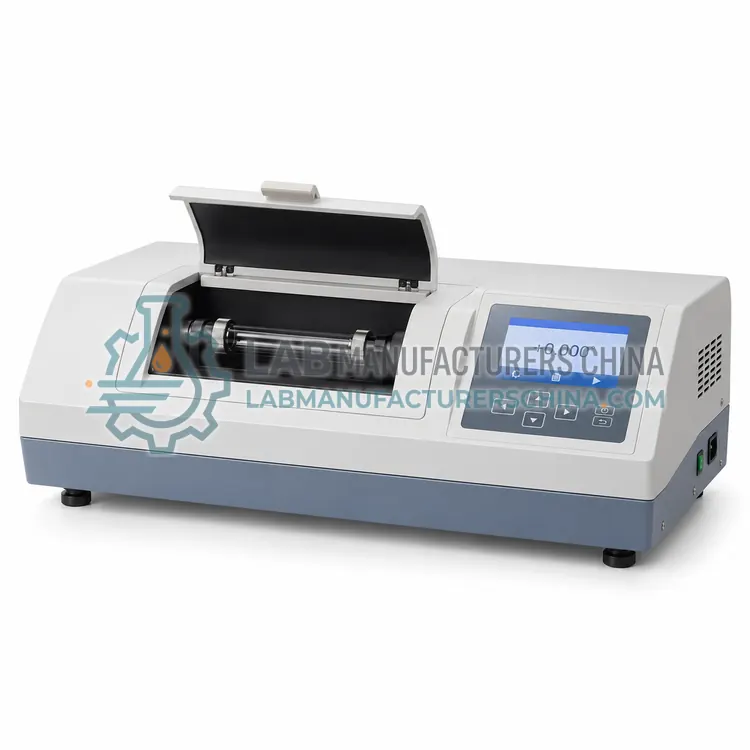
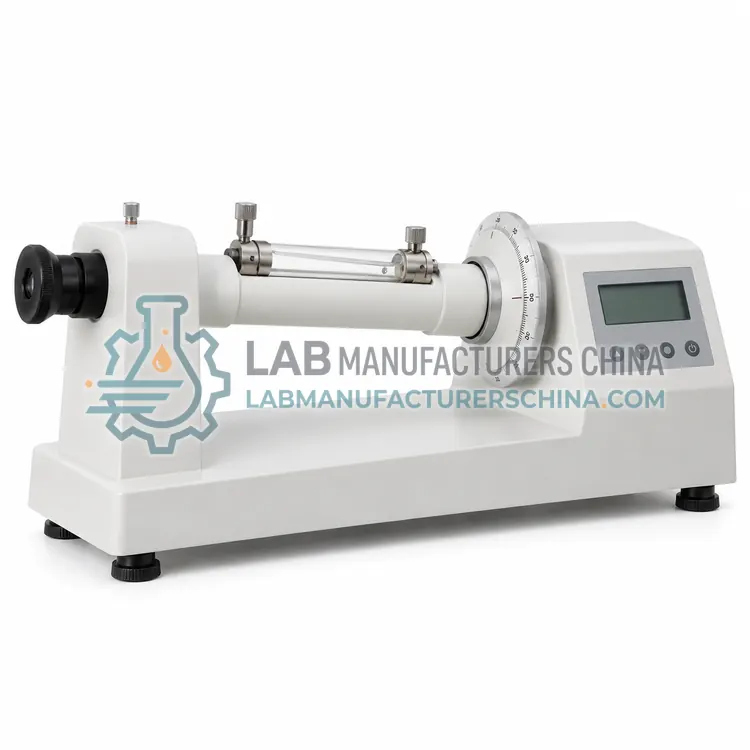
Saccharimeter for Sugar Analysis
糖度旋光仪(糖量计)
- SKU POL-0004
- Polarimeters
- CE (to be confirmed)
- ISO 9001 manufacturing (to be confirmed)
- OIML R 14 conformity (to be confirmed)
Price on request — FOB / CIF quoted per order
Prices depend on configuration, quantity and destination port.
Key specifications
| Measurement range | ±120 °Z |
|---|---|
| Readability | 0.01 °Z |
| Accuracy | ±0.03 °Z |
| Wavelength | 589 nm (546 nm optional) |
| Tube length | 200 mm and 400 mm |
| Sugar scale | ICUMSA International Sugar Scale |
Request a quote Download brochure · to be provided
By Lab Manufacturers China Technical TeamLast reviewed Standards: USP <781>, Ph. Eur. 2.2.7, JP 2.49
What is the Saccharimeter for Sugar Analysis?
A saccharimeter is a polarimeter with an ICUMSA-traceable sugar scale in °Z or °S, often operating at 589 nm or 546 nm with quartz wedge or digital compensation. It is the appropriate instrument for sucrose determination in raw sugar, molasses, syrups and beet or cane juice.
What is the Saccharimeter for Sugar Analysis?
A saccharimeter is a polarimeter with an ICUMSA-traceable sugar scale in °Z or °S, often operating at 589 nm or 546 nm with quartz wedge or digital compensation. It is the appropriate instrument for sucrose determination in raw sugar, molasses, syrups and beet or cane juice.
Overview
A saccharimeter converts optical rotation directly to the International Sugar Scale, where 100 °Z corresponds to the rotation of a standard normal sugar solution of 26.000 g in 100 mL measured in a 200 mm tube at 20 °C. Digital models use an automatic polarimeter engine with a scale conversion function, while classical designs use a quartz-wedge compensator. Tubes of 200 mm and 400 mm are common, and some instruments offer a flow-through tube for continuous process sampling. For sugar factory laboratories, a wide measuring range of ±120 °Z and readability of 0.01 °Z are typical. Samples are commonly clarified with lead-free or basic lead acetate clarifying agents and filtered before reading. The instrument should be checked with certified quartz control plates traceable to ICUMSA or a national metrology institute.
How does it work?
A polarimeter passes monochromatic light, usually from a sodium D line source at 589.3 nm or an LED with a filter, through a polarizer, a sample tube and an analyzer. An optically active sample rotates the plane of polarization by an angle proportional to path length, concentration and specific rotation, following Biot's law. Manual instruments rely on the operator matching a split field visually, while automatic instruments use a Faraday modulator or a rotating analyzer with a photodetector to find the null position. Temperature strongly affects rotation, so many models include a thermostatted sample chamber, often Peltier controlled to 20.0 °C or 25.0 °C. Results are reported as optical rotation in degrees, specific rotation, concentration, or sugar scale such as °Z or ISS. Some models add multiple wavelengths to allow measurement of optical rotatory dispersion.
What are the key features?
- Direct reading in international sugar scale °Z with ICUMSA-compatible conversion.
- Measuring range of ±120 °Z covers raw sugar through refined sucrose.
- 200 mm and 400 mm tube compatibility supports low- and high-polarization samples.
- Flow-through tube option enables continuous sampling in process laboratories.
- Optional 546 nm filter meets ICUMSA specifications for mercury green line.
- Stored sugar methods for Brix correction and pol calculation.
What are the technical specifications?
A typical saccharimeter for sugar analysis configuration offers measurement range of ±120 °Z, readability of 0.01 °Z, accuracy of ±0.03 °Z, wavelength of 589 nm (546 nm optional), tube length of 200 mm and 400 mm and sugar scale of ICUMSA International Sugar Scale. Values are indicative of the product class; the exact figures for each configuration are confirmed on the quotation and the calibration documents supplied with the instrument.
Which applications is it used for?
The Saccharimeter for Sugar Analysis is used in sugar mill and refinery laboratories, raw sugar trading and receiving, molasses and syrup analysis and beet and cane juice quality control. Across the wider Polarimeters class, laboratories also deploy it for pharmaceutical QC of chiral drug substances, sugar and syrup concentration testing and essential oil and flavor purity checks.
Which standards and certifications apply?
Relevant standards and methods include USP <781>, Ph. Eur. 2.2.7, JP 2.49, ICUMSA GS2/3-1, OIML R 14 and GB/T 613. Certification candidates for this model are CE, ISO 9001 manufacturing and OIML R 14 conformity; each is to be confirmed for the specific configuration before shipment, and certificates are supplied only where they have been issued.
Place the polarimeter on a vibration-free bench away from direct sunlight and strong electromagnetic fields. Allow the light source to warm up for 15–30 minutes before use. Verify performance with certified quartz control plates or a sucrose solution at defined concentration, and record results in the calibration log. Keep sample tubes clean and free of air bubbles, as bubbles cause unstable readings. Replace tube windows and seals when scratched or leaking. Confirm temperature at the sample, not only at the chamber setpoint. For regulated work, ensure 21 CFR Part 11 compatible software, scheduled calibration against traceable standards and documented installation and operational qualification.
How do I select the right Saccharimeter for Sugar Analysis?
Select a saccharimeter when results must be reported in °Z for sugar trading or factory control. A general polarimeter can measure rotation but may lack the ICUMSA scale, 400 mm tube support and pol calculation functions. In an RFQ, specify measuring range, tube lengths, wavelength options, flow cell requirement and quartz control plate certification.
How does it compare with other Polarimeters variants?
Choose a polarimeter by the required accuracy, measurement wavelength, temperature control and regulatory context. Pharmacopoeial testing of drug substances needs an automatic instrument with readability of 0.001° or better, Peltier control within ±0.1 °C and audit-trail software. Sugar and food quality control can use a saccharimeter with an ICUMSA-traceable scale and tolerates ±0.01° accuracy. Manual instruments suit teaching and low-volume checks where budget dominates. Samples that are dark or turbid need a polarimeter with high light throughput and short tubes. Chiral detection in chromatography requires a flow-through cell with a small volume. Also specify tube lengths, including 100 mm and 200 mm, sample volume and whether multiple wavelengths such as 436 nm or 546 nm are required for research work.
Full specifications
| Measurement range | ±120 °Z |
|---|---|
| Readability | 0.01 °Z |
| Accuracy | ±0.03 °Z |
| Wavelength | 589 nm (546 nm optional) |
| Tube length | 200 mm and 400 mm |
| Sugar scale | ICUMSA International Sugar Scale |
| Temperature reference | 20 °C (probe or Peltier) |
| Flow-through cell | Optional, 200 mm |
| Measurement time | ≤5 s |
| Outputs | USB, RS-232, printer |
Indicative values for this product class. Final specifications are confirmed on the quotation and in the calibration documents supplied with the instrument.
Applications
- Sugar mill and refinery laboratories
- Raw sugar trading and receiving
- Molasses and syrup analysis
- Beet and cane juice quality control
Key features
- Direct reading in international sugar scale °Z with ICUMSA-compatible conversion.
- Measuring range of ±120 °Z covers raw sugar through refined sucrose.
- 200 mm and 400 mm tube compatibility supports low- and high-polarization samples.
- Flow-through tube option enables continuous sampling in process laboratories.
- Optional 546 nm filter meets ICUMSA specifications for mercury green line.
- Stored sugar methods for Brix correction and pol calculation.
Frequently asked questions about Saccharimeter for Sugar Analysis
A saccharimeter is a polarimeter calibrated to the International Sugar Scale in °Z, with tube lengths and calculations suited to sugar analysis. A general polarimeter reports rotation in angular degrees and is used for a wider range of chiral compounds.
On the ICUMSA International Sugar Scale, 100 °Z is defined as the rotation of a normal sugar solution containing 26.000 g of pure sucrose in 100 mL, measured in a 200 mm tube at 20 °C. Samples are read relative to this reference.
Colloids, suspended solids and color in raw sugar and juices scatter or absorb light and reduce polarimetric accuracy. Clarifying with lead-free or basic lead acetate agents followed by filtration gives a clear solution and more reliable pol readings.
A polarimeter measures the angle by which an optically active sample rotates plane-polarized light. From the rotation, path length and temperature, the analyst calculates specific rotation, concentration or purity. It is used for sugars, amino acids, essential oils and chiral pharmaceutical ingredients.
Optical rotation changes with temperature, often by several tenths of a percent per degree Celsius for sugars and more for some drugs. Pharmacopoeial methods typically specify 20 °C or 25 °C, so Peltier-controlled sample chambers are used to hold the sample within ±0.1 °C.
Most polarimeters use 589 nm, the sodium D line, because pharmacopoeias and sugar standards refer to it. Modern instruments achieve this with filtered LEDs or sodium lamps. Additional wavelengths such as 365, 436, 546 and 633 nm support research and optical rotatory dispersion studies.