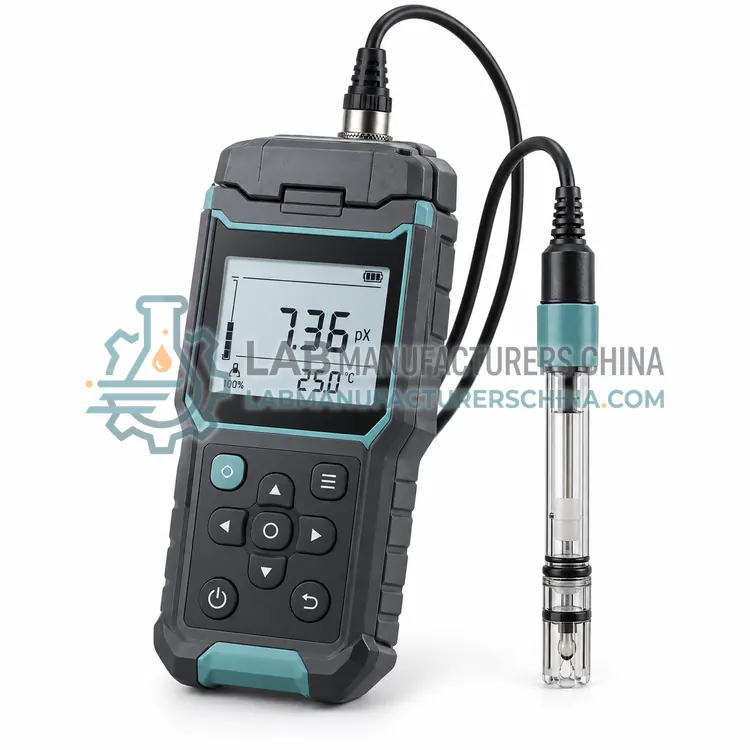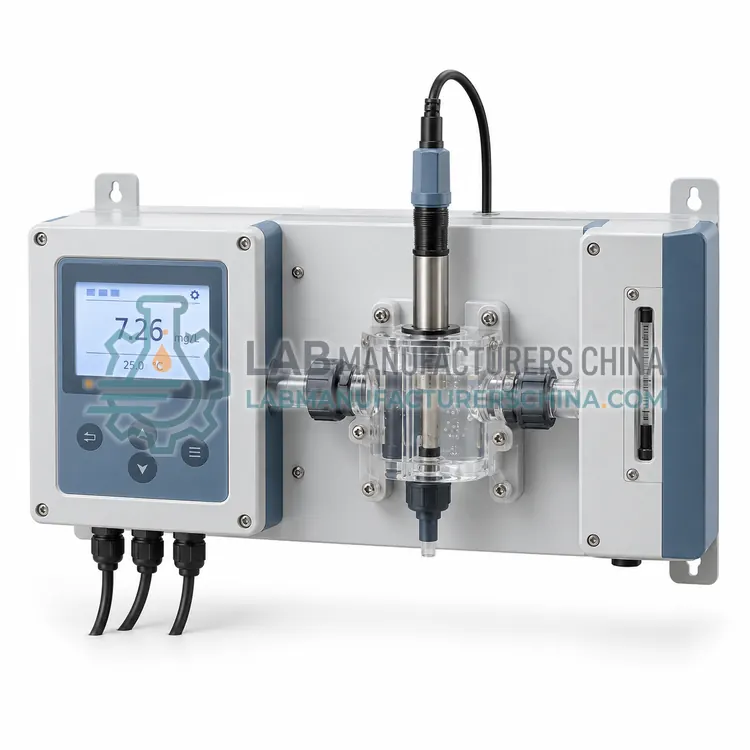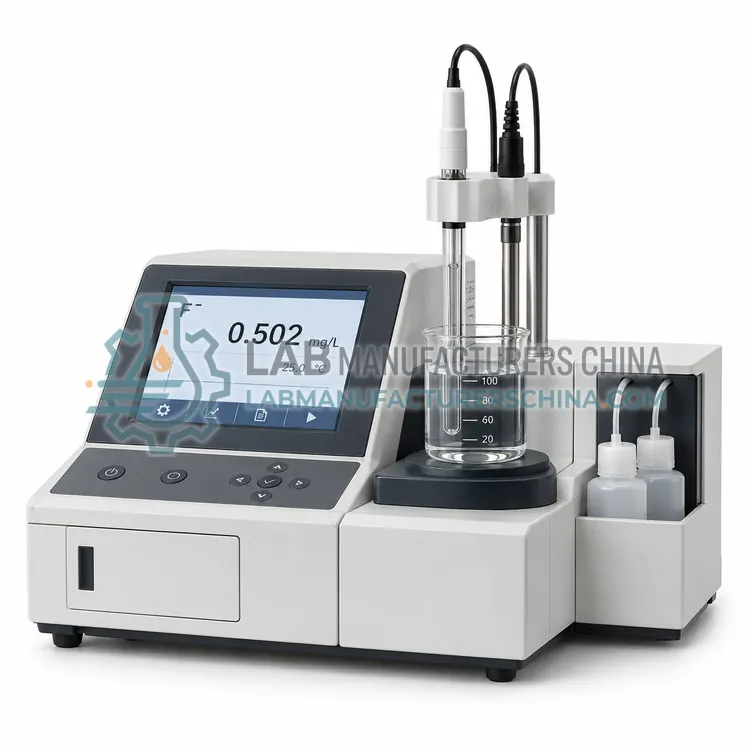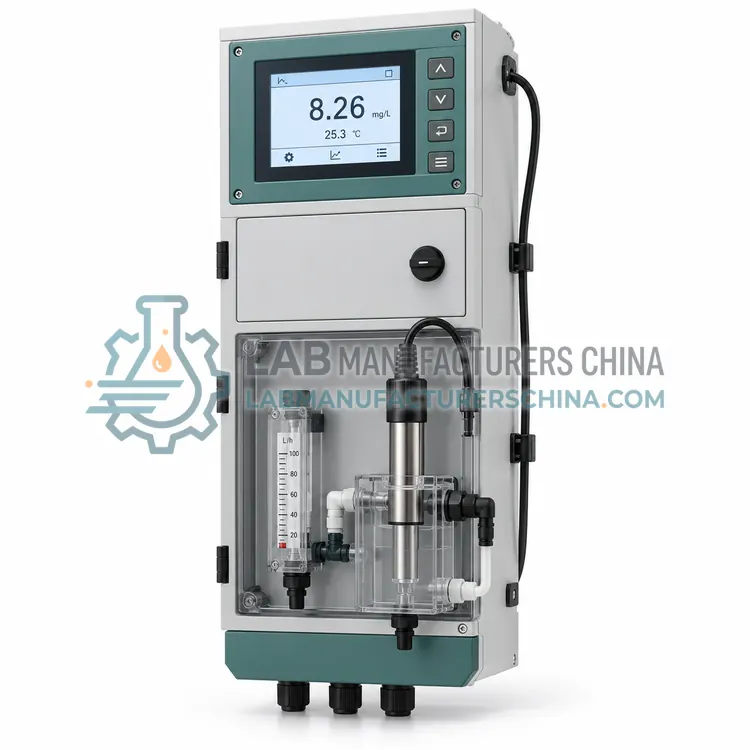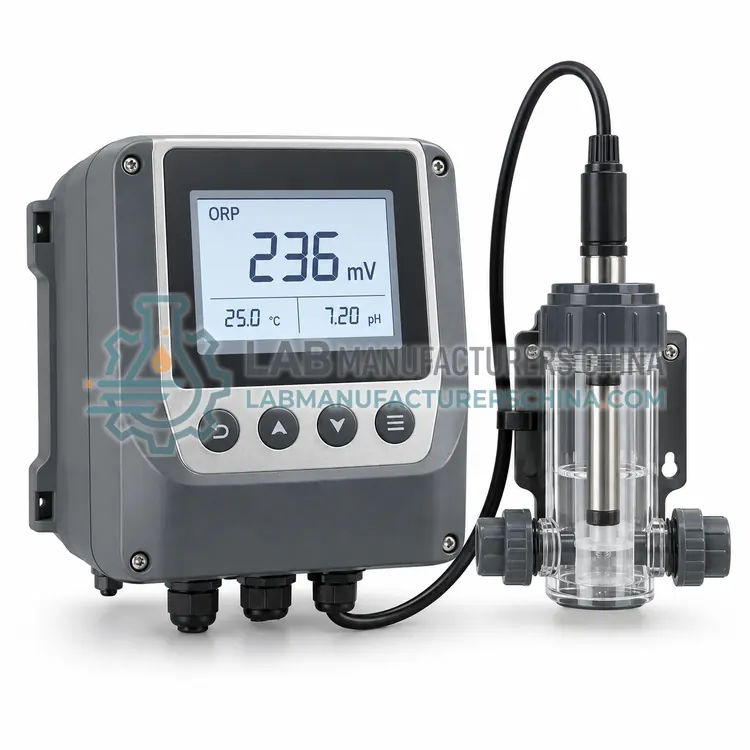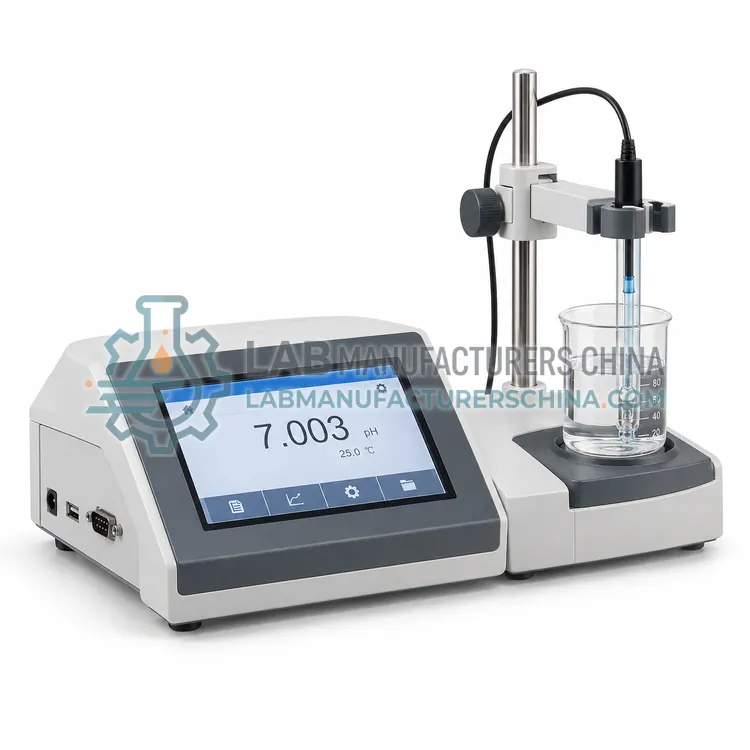
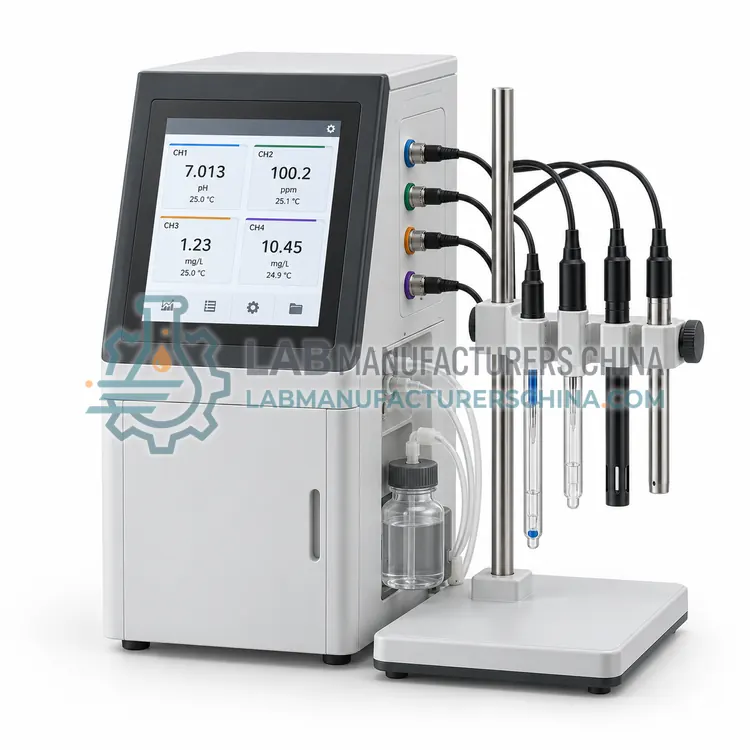
Multi-Channel Ion Meter
多通道离子计
- SKU IOM-0003
- Ion Meters
- CE (to be confirmed)
- RoHS (to be confirmed)
- ISO 9001 manufacturing (to be confirmed)
Price on request — FOB / CIF quoted per order
Prices depend on configuration, quantity and destination port.
Key specifications
| Number of channels | 2–6, isolated |
|---|---|
| Concentration range | 1×10⁻⁶–1 mol/L (electrode dependent) |
| Millivolt resolution | 0.1 mV |
| Accuracy | ±0.2–0.5% of reading |
| Cross-talk between channels | < 0.1 mV |
| Temperature compensation | Automatic, 0–100 °C |
Request a quote Download brochure · to be provided
By Lab Manufacturers China Technical TeamLast reviewed Standards: ASTM D1179, ISO 10359-1, EPA Method 9214
What is the Multi-Channel Ion Meter?
A multi-channel ion meter measures several ion-selective electrodes at the same time, with two to six independent input channels, isolated electronics and separate calibration per channel. It is chosen for laboratories that handle many samples or must monitor several ions in one sample, such as potable water and process control.
What is the Multi-Channel Ion Meter?
A multi-channel ion meter measures several ion-selective electrodes at the same time, with two to six independent input channels, isolated electronics and separate calibration per channel. It is chosen for laboratories that handle many samples or must monitor several ions in one sample, such as potable water and process control.
Overview
Multi-channel ion meters duplicate the measuring circuit for each electrode, so two to six ions can be read in parallel from the same sample beaker with a common reference electrode. Channels are electrically isolated to prevent cross-talk, and each channel holds its own calibration curve, slope, ionic strength adjustment recipe and units. A dedicated software package displays all channels graphically, averages replicate readings and exports results to LIMS or a spreadsheet. Typical uses are simultaneous fluoride, chloride, nitrate and ammonium determination in drinking water, and continuous verification of several ion methods in a production laboratory. Throughput is two to three times that of a single-channel meter when sample volumes allow several electrodes in one vessel. Accuracy matches single-channel instruments, typically 0.2 to 0.5 percent of reading in millivolts. Sample volume requirements, electrode spacing and the number of reference junctions per vessel must be checked in advance.
How does it work?
The measurement is potentiometric. An ion-selective electrode develops a potential that follows the Nernst equation, changing by about 59.16 mV per decade of activity at 25 degrees Celsius for a monovalent ion and 29.58 mV for a divalent ion. A stable reference electrode with a liquid junction completes the cell, and a high-impedance millivoltmeter reads the potential difference without drawing significant current. Because the electrode responds to activity rather than concentration, an ionic strength adjustment buffer is added to fix the activity coefficient; some buffers also adjust pH and release ions bound by complexing agents. The meter converts potential to concentration with a calibration curve from two to five standards, and temperature compensation corrects the slope using a built-in sensor. Below about 1 micromolar, results are less stable, so lower limits are set by the electrode and by the sample matrix.
What are the key features?
- Two to six isolated input channels for parallel electrode measurement
- Independent calibration, slope and unit settings for every channel
- Graphical software with simultaneous display and replicate averaging
- Common reference electrode configuration to reduce sample volume
- Method library with ionic strength buffer recipes for each ion
- Direct export to LIMS, spreadsheet or laboratory report formats
What are the technical specifications?
A typical multi-channel ion meter configuration offers number of channels of 2–6, isolated, concentration range of 1×10⁻⁶–1 mol/L (electrode dependent), millivolt resolution of 0.1 mV, accuracy of ±0.2–0.5% of reading, cross-talk between channels of < 0.1 mV and temperature compensation of Automatic, 0–100 °C. Values are indicative of the product class; the exact figures for each configuration are confirmed on the quotation and the calibration documents supplied with the instrument.
Which applications is it used for?
The Multi-Channel Ion Meter is used in potable water multi-ion monitoring, chemical and pharmaceutical process control, environmental laboratory batch analysis, food and beverage mineral testing and university and teaching laboratories. Across the wider Ion Meters class, laboratories also deploy it for drinking water fluoride monitoring, wastewater ammonia and nitrate testing and food and beverage sodium analysis.
Which standards and certifications apply?
Relevant standards and methods include ASTM D1179, ISO 10359-1, EPA Method 9214, APHA 4500-F− Standard Methods, GB/T 7484 and ASTM D3867. Certification candidates for this model are CE, RoHS and ISO 9001 manufacturing; each is to be confirmed for the specific configuration before shipment, and certificates are supplied only where they have been issued.
Condition new electrodes as the manufacturer instructs, often by soaking in a dilute standard solution for several hours, and calibrate daily with standards that bracket the sample range. Add ionic strength adjustment buffer to samples and standards in the same proportion, and measure at a stable temperature because electrode slopes change with temperature. Do not let electrodes dry out; store fluoride and pH-sensitive membranes according to their specific instructions and keep reference junctions clean and filled. Verify performance with a check standard and monitor the slope in millivolts per decade, since slopes outside about 50 to 60 millivolts per decade for monovalent ions indicate ageing or contamination. Records of calibration, slope, verification and sample matrix should be retained for regulated work, and waste containing buffer and fluoride must be handled as chemical waste.
How do I select the right Multi-Channel Ion Meter?
Choose a multi-channel meter when sample volume and staff time are the limiting factors and several ions must be measured in the same solution. For single-ion work or tight budgets, a single-channel benchtop meter is more economical. In an RFQ, specify channel count, electrode models per channel, sample cup and reference configuration, software reporting needs and required interfaces.
How does it compare with other Ion Meters variants?
Choose a benchtop meter when accuracy, documentation and multi-ion work matter, and a portable meter for field checks in surface water, aquaculture or plant streams. Multi-channel models suit laboratories running several electrodes or several ions in parallel, while online analyzers serve continuous monitoring of drinking water, wastewater or process streams with alarm and 4-20 mA outputs. If you measure fluoride every day in a defined matrix, a dedicated fluoride meter with matched electrode and buffer simplifies training and calibration. Compare the electrode range first, then meter resolution and accuracy in millivolts, temperature compensation, calibration points, electrode compatibility, GLP memory and data interfaces. Specify the ions, expected concentration range, sample matrix, required detection limit and any standards the method must follow.
Full specifications
| Number of channels | 2–6, isolated |
|---|---|
| Concentration range | 1×10⁻⁶–1 mol/L (electrode dependent) |
| Millivolt resolution | 0.1 mV |
| Accuracy | ±0.2–0.5% of reading |
| Cross-talk between channels | < 0.1 mV |
| Temperature compensation | Automatic, 0–100 °C |
| Sampling interval | 1 s per channel |
| Data storage | 5000 records per channel |
| Interfaces | USB, RS-232, optional LAN |
| Software | Multi-channel control and reporting |
Indicative values for this product class. Final specifications are confirmed on the quotation and in the calibration documents supplied with the instrument.
Applications
- Potable water multi-ion monitoring
- Chemical and pharmaceutical process control
- Environmental laboratory batch analysis
- Food and beverage mineral testing
- University and teaching laboratories
Key features
- Two to six isolated input channels for parallel electrode measurement
- Independent calibration, slope and unit settings for every channel
- Graphical software with simultaneous display and replicate averaging
- Common reference electrode configuration to reduce sample volume
- Method library with ionic strength buffer recipes for each ion
- Direct export to LIMS, spreadsheet or laboratory report formats
Frequently asked questions about Multi-Channel Ion Meter
Yes, provided a single reference junction is electrically adequate for all measuring circuits and the electrode spacing fits the sample vessel. Channels are isolated, so a shared reference is common practice, but the reference must be checked for stability when four or more electrodes are used.
It matters whenever high-impedance electrodes are measured close together. Without isolation, leakage between channels produces cross-talk that shifts readings by several tenths of a millivolt. Specify cross-talk below 0.1 mV so parallel measurement does not degrade accuracy.
Each electrode needs enough immersion depth for its sensing membrane and junction, commonly 20 to 50 mL in a beaker, so four electrodes may require a 250 mL vessel. Small-volume cells are available, but they increase the risk of junction contamination.
An ion meter measures the activity or concentration of a specific ion in solution with an ion-selective electrode. Typical uses include fluoride in drinking water, ammonia and nitrate in wastewater, sodium in food, and chloride or calcium in process streams, reported in mol/L, mg/L or ppm.
Calibrate at the start of each working day, or before each batch when accuracy is critical. Use two or more standards that bracket the expected range, verify with an independent check standard, and recalibrate after any electrode change, membrane cleaning or large temperature shift.
Both are potentiometric instruments, but a pH meter converts glass electrode potential into pH units, while an ion meter offers selectable calibration curves and units for specific ions such as fluoride or nitrate. Many benchtop meters support both functions when fitted with the matching electrode.
Related models