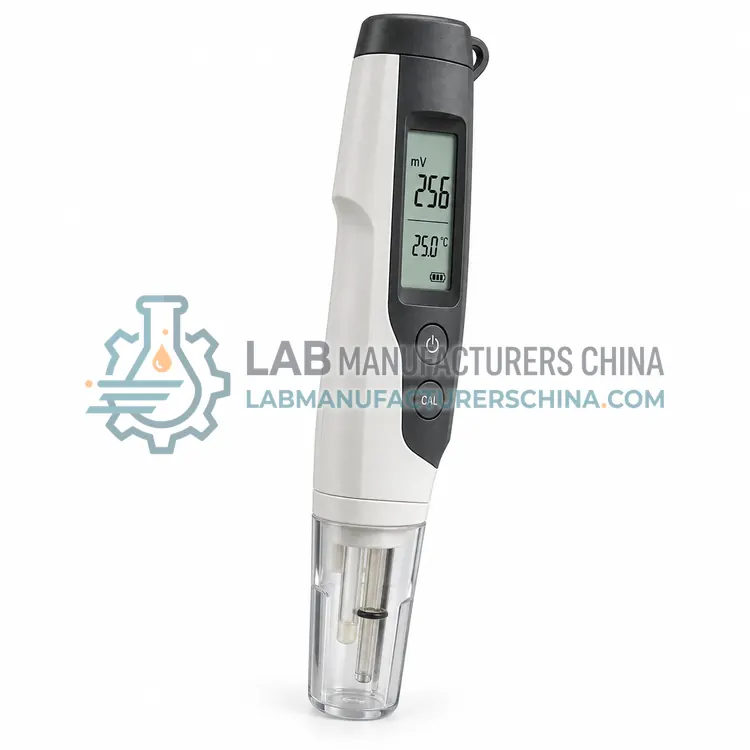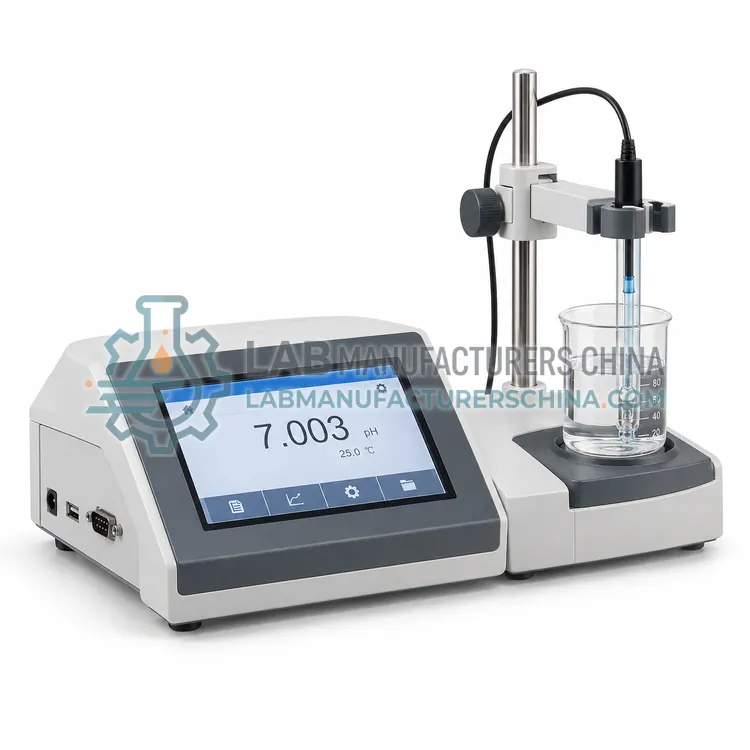
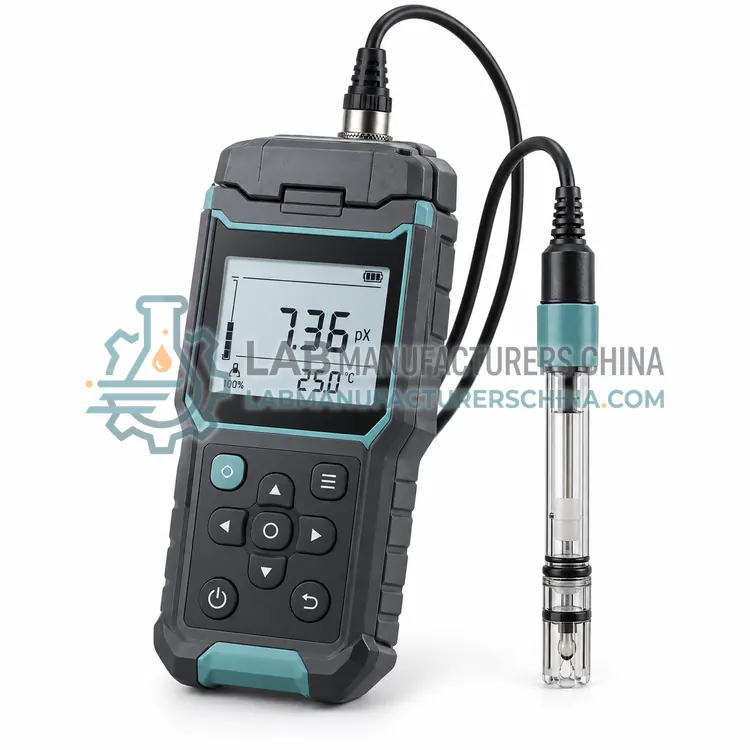
Portable Ion Meter
便携式离子计
- SKU IOM-0002
- Ion Meters
- CE (to be confirmed)
- RoHS (to be confirmed)
- ISO 9001 manufacturing (to be confirmed)
Price on request — FOB / CIF quoted per order
Prices depend on configuration, quantity and destination port.
Key specifications
| Concentration range | 1×10⁻⁶–1 mol/L (electrode dependent) |
|---|---|
| Millivolt range | ±2000.0 mV |
| Millivolt resolution | 0.1 mV |
| Accuracy | ±0.5–2% of reading |
| Temperature range | 0–60 °C (ambient) |
| Ingress protection | IP65–IP67 |
Request a quote Download brochure · to be provided
By Lab Manufacturers China Technical TeamLast reviewed Standards: ASTM D1179, ISO 10359-1, EPA Method 9214
What is the Portable Ion Meter?
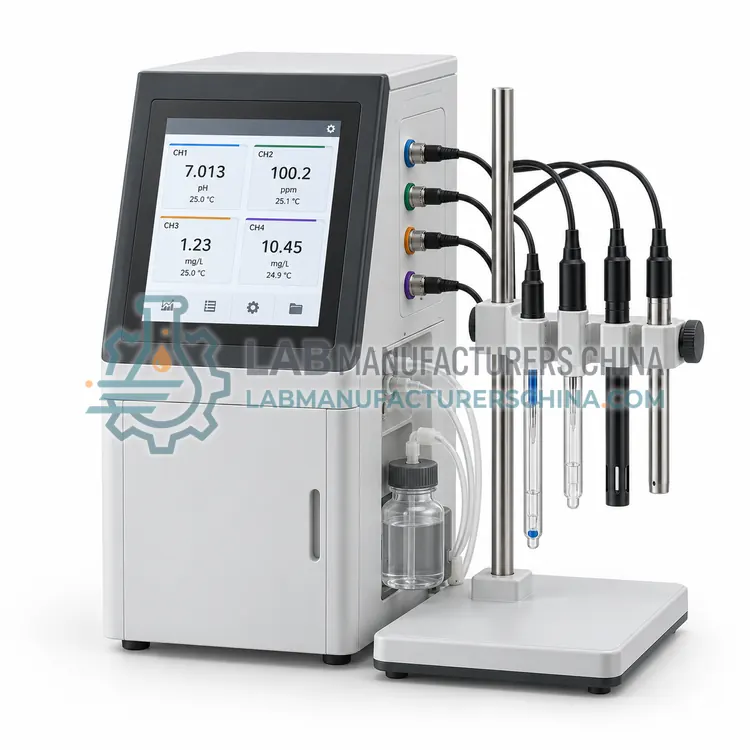
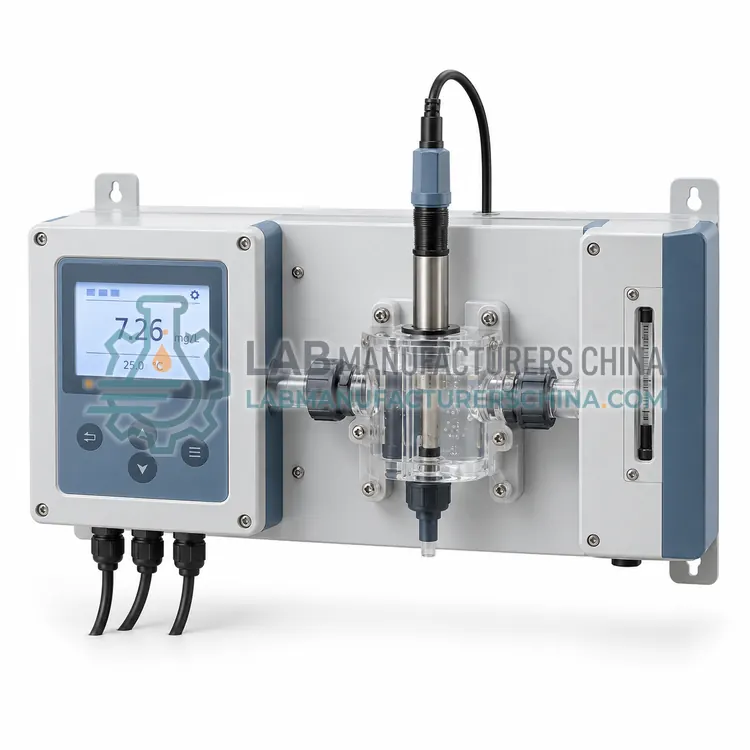
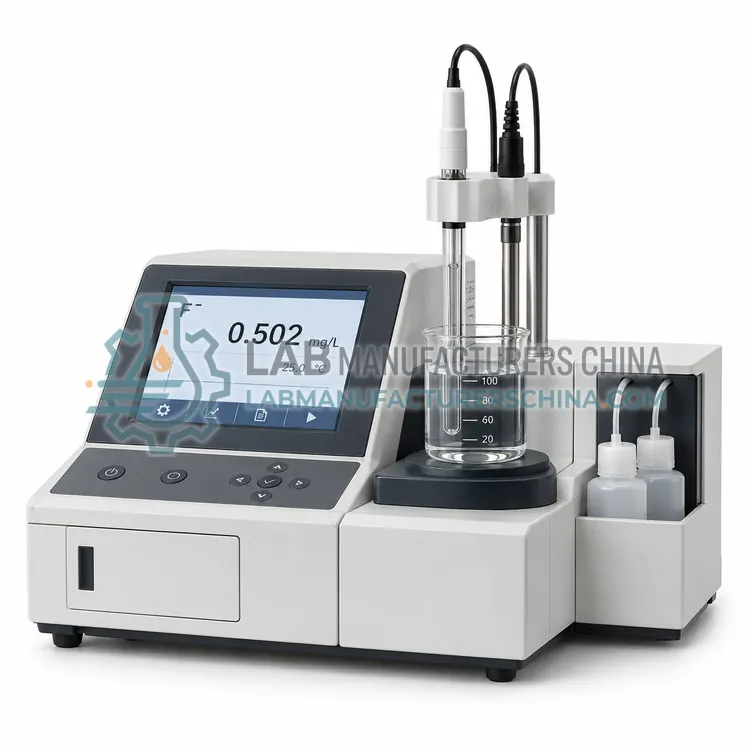
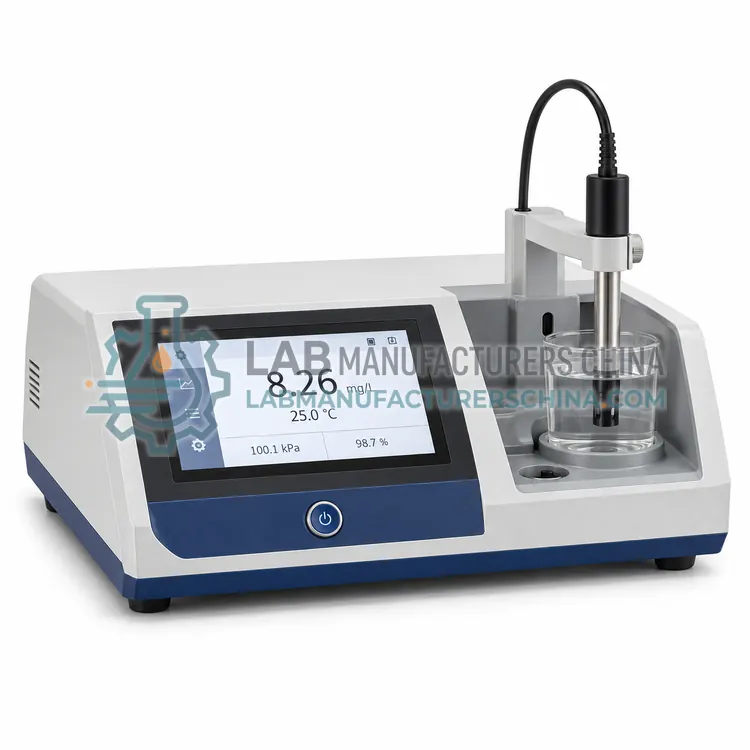
A portable ion meter is a battery-powered handheld instrument with an IP-rated housing for field measurement of fluoride, nitrate, ammonia or other ions. It combines an ion-selective electrode with automatic temperature compensation and on-board data logging, and is used where samples cannot be transported to the laboratory.
What is the Portable Ion Meter?
A portable ion meter is a battery-powered handheld instrument with an IP-rated housing for field measurement of fluoride, nitrate, ammonia or other ions. It combines an ion-selective electrode with automatic temperature compensation and on-board data logging, and is used where samples cannot be transported to the laboratory.
Overview
Portable ion meters use a sealed IP65 to IP67 housing, a backlit display and alkaline or rechargeable batteries that last for 100 to 500 hours, so measurements can be made at wells, rivers, tanks and treatment works. The ion-selective electrode and reference are connected by a BNC input with 1 to 3 m of cable as standard, and longer cables are available for boreholes. Concentration readout is direct after two or three point calibration, and automatic temperature compensation uses a separate or built-in sensor. Data memory holds hundreds to several thousand records with time stamps that are transferred over USB or Bluetooth for reporting. Rugged carrying cases include holders, calibration cups and spares, and many units also accept pH, ORP or conductivity probes so one instrument covers a field survey. Accuracy is slightly lower than benchtop instruments, typically 0.5 to 2 percent of reading.
How does it work?
The measurement is potentiometric. An ion-selective electrode develops a potential that follows the Nernst equation, changing by about 59.16 mV per decade of activity at 25 degrees Celsius for a monovalent ion and 29.58 mV for a divalent ion. A stable reference electrode with a liquid junction completes the cell, and a high-impedance millivoltmeter reads the potential difference without drawing significant current. Because the electrode responds to activity rather than concentration, an ionic strength adjustment buffer is added to fix the activity coefficient; some buffers also adjust pH and release ions bound by complexing agents. The meter converts potential to concentration with a calibration curve from two to five standards, and temperature compensation corrects the slope using a built-in sensor. Below about 1 micromolar, results are less stable, so lower limits are set by the electrode and by the sample matrix.
What are the key features?
- IP67 sealed housing with backlit display for field use
- Battery operation for 100 to 500 hours on alkaline cells
- BNC input with 1 to 3 m cable for standard ion-selective electrodes
- Two to three point direct concentration calibration with stored methods
- Automatic temperature compensation from a separate or built-in probe
- Data logging of 500 to 5000 records with USB or Bluetooth transfer
What are the technical specifications?
A typical portable ion meter configuration offers concentration range of 1×10⁻⁶–1 mol/L (electrode dependent), millivolt range of ±2000.0 mV, millivolt resolution of 0.1 mV, accuracy of ±0.5–2% of reading, temperature range of 0–60 °C (ambient) and ingress protection of IP65–IP67. Values are indicative of the product class; the exact figures for each configuration are confirmed on the quotation and the calibration documents supplied with the instrument.
Which applications is it used for?
The Portable Ion Meter is used in surface water and river surveys, groundwater and borehole sampling, aquaculture and pond water control, irrigation and nutrient solution testing and wastewater treatment plant rounds. Across the wider Ion Meters class, laboratories also deploy it for drinking water fluoride monitoring, wastewater ammonia and nitrate testing and food and beverage sodium analysis.
Which standards and certifications apply?
Relevant standards and methods include ASTM D1179, ISO 10359-1, EPA Method 9214, APHA 4500-F− Standard Methods, GB/T 7484 and ASTM D3867. Certification candidates for this model are CE, RoHS and ISO 9001 manufacturing; each is to be confirmed for the specific configuration before shipment, and certificates are supplied only where they have been issued.
Condition new electrodes as the manufacturer instructs, often by soaking in a dilute standard solution for several hours, and calibrate daily with standards that bracket the sample range. Add ionic strength adjustment buffer to samples and standards in the same proportion, and measure at a stable temperature because electrode slopes change with temperature. Do not let electrodes dry out; store fluoride and pH-sensitive membranes according to their specific instructions and keep reference junctions clean and filled. Verify performance with a check standard and monitor the slope in millivolts per decade, since slopes outside about 50 to 60 millivolts per decade for monovalent ions indicate ageing or contamination. Records of calibration, slope, verification and sample matrix should be retained for regulated work, and waste containing buffer and fluoride must be handled as chemical waste.
How do I select the right Portable Ion Meter?
Choose a portable ion meter for field measurements away from the laboratory, for example in water surveys, aquaculture or plant rounds. If you need pharmacopoeial documentation or high throughput, use a benchtop meter instead. In an RFQ, state the ions and ranges, cable length, ingress protection, logging capacity, wireless options and whether pH or conductivity channels are also required.
How does it compare with other Ion Meters variants?
Choose a benchtop meter when accuracy, documentation and multi-ion work matter, and a portable meter for field checks in surface water, aquaculture or plant streams. Multi-channel models suit laboratories running several electrodes or several ions in parallel, while online analyzers serve continuous monitoring of drinking water, wastewater or process streams with alarm and 4-20 mA outputs. If you measure fluoride every day in a defined matrix, a dedicated fluoride meter with matched electrode and buffer simplifies training and calibration. Compare the electrode range first, then meter resolution and accuracy in millivolts, temperature compensation, calibration points, electrode compatibility, GLP memory and data interfaces. Specify the ions, expected concentration range, sample matrix, required detection limit and any standards the method must follow.
Full specifications
| Concentration range | 1×10⁻⁶–1 mol/L (electrode dependent) |
|---|---|
| Millivolt range | ±2000.0 mV |
| Millivolt resolution | 0.1 mV |
| Accuracy | ±0.5–2% of reading |
| Temperature range | 0–60 °C (ambient) |
| Ingress protection | IP65–IP67 |
| Battery life | 100–500 h |
| Data memory | 500–5000 records |
| Cable length | 1–3 m standard |
| Interfaces | USB, optional Bluetooth |
Indicative values for this product class. Final specifications are confirmed on the quotation and in the calibration documents supplied with the instrument.
Applications
- Surface water and river surveys
- Groundwater and borehole sampling
- Aquaculture and pond water control
- Irrigation and nutrient solution testing
- Wastewater treatment plant rounds
Key features
- IP67 sealed housing with backlit display for field use
- Battery operation for 100 to 500 hours on alkaline cells
- BNC input with 1 to 3 m cable for standard ion-selective electrodes
- Two to three point direct concentration calibration with stored methods
- Automatic temperature compensation from a separate or built-in probe
- Data logging of 500 to 5000 records with USB or Bluetooth transfer
Frequently asked questions about Portable Ion Meter
It can be used for field screening and for survey work, and logged results with time stamps are acceptable in many programmes. Where a method demands full traceability, weigh calibration against laboratory standards and confirm whether the specific standard accepts handheld instruments.
The electrode is kept in a protective sleeve or soaking bottle holding a dilute standard or the manufacturer's storage solution. Keep the membrane wet, rinse it with deionized water before use, and avoid touching or wiping the sensing surface, which can create static charge and slow response.
Drift usually comes from a reference junction blocked by sample solids, a dry or contaminated membrane, or a temperature change between calibration and measurement. Clean or replace the junction, recalibrate on site with fresh standards, and wait for temperature equilibration before recording the result.
An ion meter measures the activity or concentration of a specific ion in solution with an ion-selective electrode. Typical uses include fluoride in drinking water, ammonia and nitrate in wastewater, sodium in food, and chloride or calcium in process streams, reported in mol/L, mg/L or ppm.
Calibrate at the start of each working day, or before each batch when accuracy is critical. Use two or more standards that bracket the expected range, verify with an independent check standard, and recalibrate after any electrode change, membrane cleaning or large temperature shift.
Both are potentiometric instruments, but a pH meter converts glass electrode potential into pH units, while an ion meter offers selectable calibration curves and units for specific ions such as fluoride or nitrate. Many benchtop meters support both functions when fitted with the matching electrode.
Related models