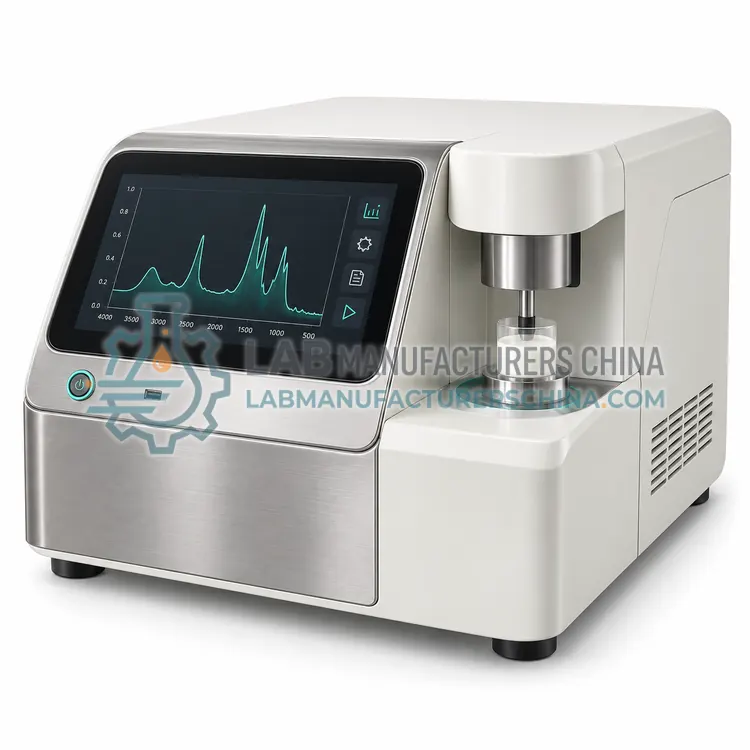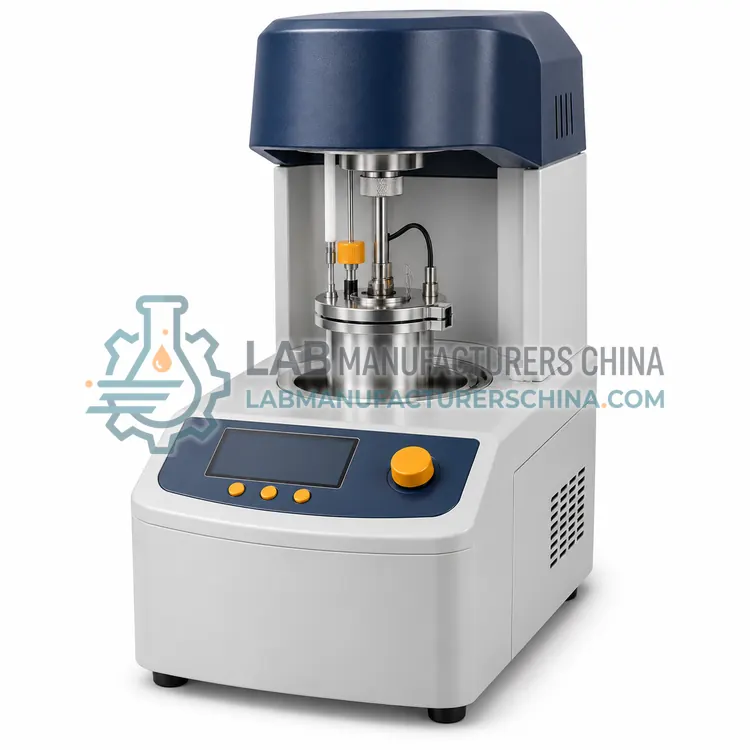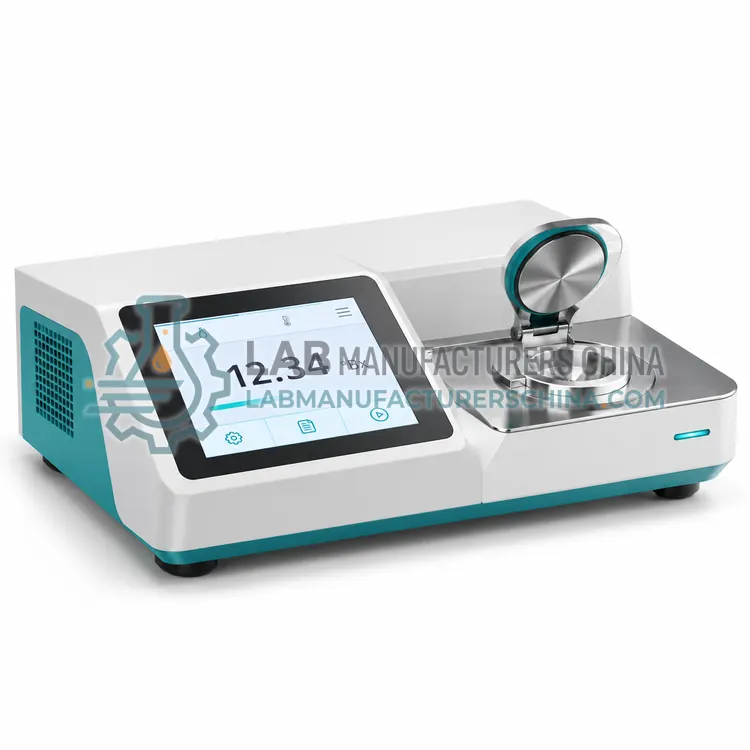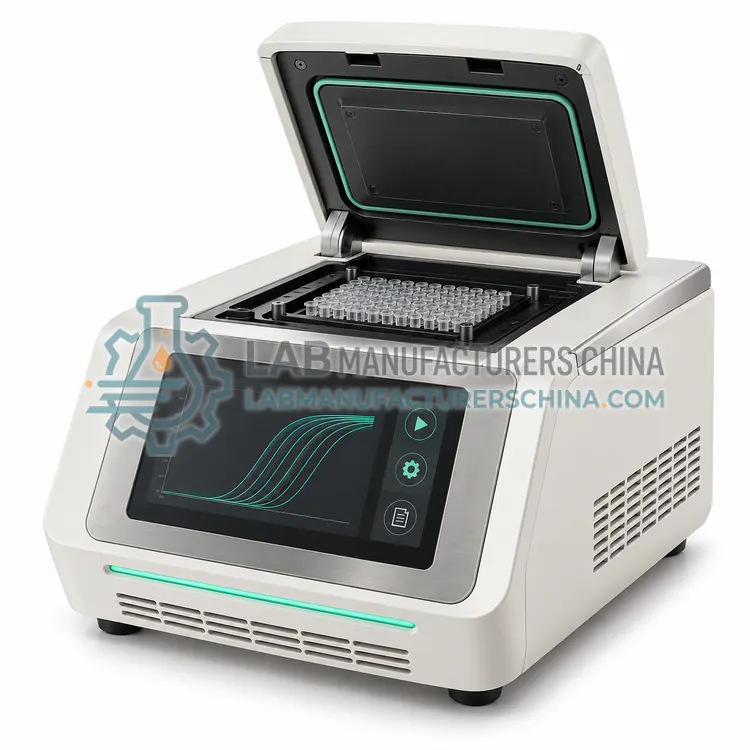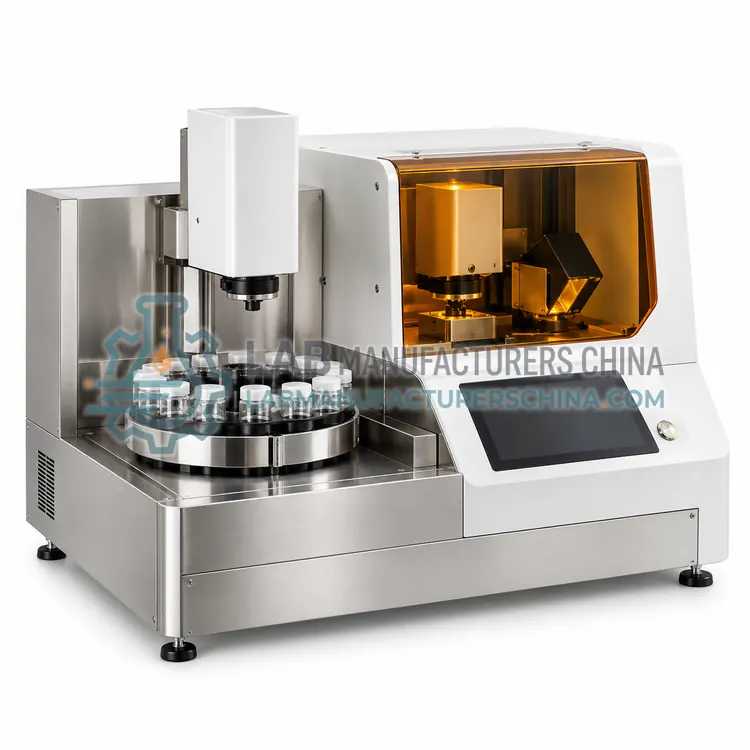
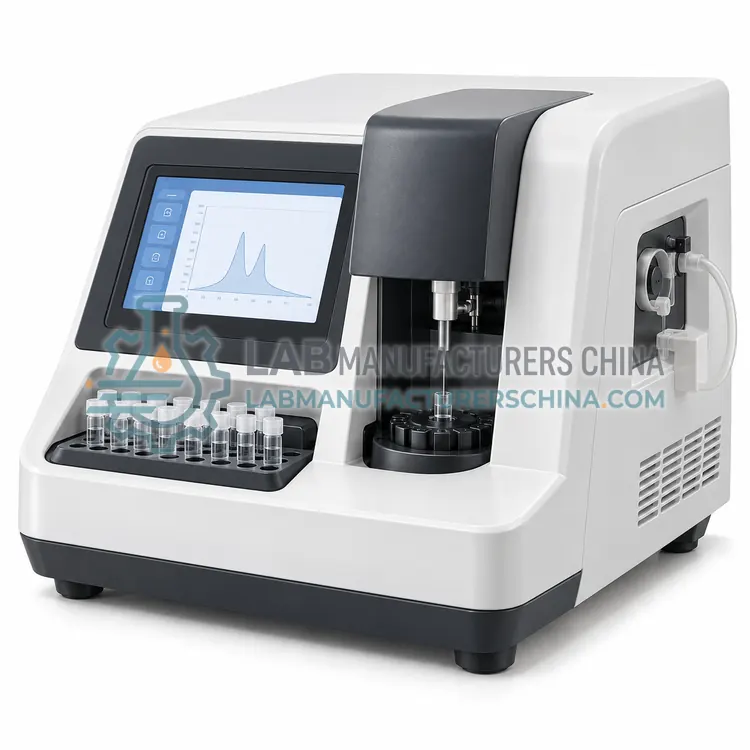
Automated Enzymatic Food Analyzer
自动化酶法食品分析仪
- SKU FCA-0005
- Food Composition Analysis
- CE (to be confirmed)
- ISO 9001 manufacturing (to be confirmed)
Price on request — FOB / CIF quoted per order
Prices depend on configuration, quantity and destination port.
Key specifications
| Detection wavelength | 340 nm, 405–630 nm options |
|---|---|
| Wavelength accuracy | ±1 nm |
| Temperature control | 25–37 °C, ±0.2 °C |
| Throughput | 60–300 tests/h |
| Sample volume | 10–100 µL |
| Detection range | 0.1–10 g/L per analyte |
Request a quote Download brochure · to be provided
By Lab Manufacturers China Technical TeamLast reviewed Standards: AOAC Official Methods of Analysis, ISO 12099, ISO 6658
What is the Automated Enzymatic Food Analyzer?
An automated enzymatic food analyser quantifies sugars, organic acids, starch, ethanol and other specific analytes using enzyme reactions that are read photometrically. It gives high specificity for labelled nutrients and fermentation control without chromatography.
What is the Automated Enzymatic Food Analyzer?
An automated enzymatic food analyser quantifies sugars, organic acids, starch, ethanol and other specific analytes using enzyme reactions that are read photometrically. It gives high specificity for labelled nutrients and fermentation control without chromatography.
Overview
Enzymatic analysis couples a specific enzyme reaction to the formation or consumption of NADH, which absorbs light at 340 nm, or to a chromogenic reagent read in the visible range. Because each enzyme acts on one substrate, interference is low and results are close to reference values. Automated systems hold reagents at controlled temperature, pipette samples and enzymes into cuvettes or microplates, measure absorbance at defined intervals and calculate concentrations from calibration curves. Throughput ranges from a few dozen to several hundred tests per hour, and reagent kits are available for glucose, fructose, sucrose, lactose, starch, L-malic acid, acetic acid and ethanol. The analyser also suits wine, beer and fermentation monitoring.
How does it work?
Composition analysis instruments rely on physical or chemical properties that change with the concentration of the component of interest. Near-infrared and mid-infrared analysers measure absorbance by O–H, C–H and N–H bonds and convert spectra into concentrations with multivariate calibration models. Bomb calorimeters determine gross energy from the heat released during complete combustion in oxygen. Refractometers measure the refractive index, which rises with dissolved solids such as sugars. Enzymatic analysers use specific enzyme reactions coupled to NADH or colorimetric readouts. Salt analysers use potentiometric or conductivity sensing to measure sodium chloride. All secondary methods must be correlated with reference chemistry for each matrix.
What are the key features?
- Photometric detection at 340 nm for NADH-linked enzyme reactions
- Cuvette or microplate formats for flexible batch sizes
- Reagent and sample temperature control to ±0.2 °C
- Automatic multi-point calibration and blank subtraction
- Reagent kits for sugars, organic acids, starch and ethanol
- Result calculation in g/L, g/100 g or percent of sample mass
What are the technical specifications?
A typical automated enzymatic food analyzer configuration offers detection wavelength of 340 nm, 405–630 nm options, wavelength accuracy of ±1 nm, temperature control of 25–37 °C, ±0.2 °C, throughput of 60–300 tests/h, sample volume of 10–100 µL and detection range of 0.1–10 g/L per analyte. Values are indicative of the product class; the exact figures for each configuration are confirmed on the quotation and the calibration documents supplied with the instrument.
Which applications is it used for?
The Automated Enzymatic Food Analyzer is used in nutrition labelling of sugars and starch, wine, beer and fermentation monitoring, lactose and galactose testing in dairy and honey authenticity and adulteration checks. Across the wider Food Composition Analysis class, laboratories also deploy it for nutrition labelling and specification verification, raw-material acceptance in grain, dairy and feed plants and in-process control of blending and drying.
Which standards and certifications apply?
Relevant standards and methods include AOAC Official Methods of Analysis, ISO 12099, ISO 6658, ISO 6496, ISO 2171, ISO 8968 and ISO/IEC 17025. Certification candidates for this model are CE and ISO 9001 manufacturing; each is to be confirmed for the specific configuration before shipment, and certificates are supplied only where they have been issued.
Infrared analysers need a representative calibration set covering the full range of moisture, fat and protein found in routine samples, and the model must be re-validated after major raw-material changes. Temperature and sample presentation strongly affect spectra, so cups and grinder settings should be controlled. Bomb calorimeters require oxygen of high purity, careful pellet preparation and regular benzoic acid checks. Enzymatic and refractometric methods need clean optics, fresh reagents and control samples. Keep records of reference-method comparisons, and confirm that calibrations, service and spare parts remain available for the life of the instrument.
How do I select the right Automated Enzymatic Food Analyzer?
Choose an enzymatic analyser when you need specific measurement of individual sugars or organic acids that a total-solids method cannot resolve. Confirm that validated kits exist for your analytes and matrices, and estimate consumable cost per test, because enzyme reagents dominate running cost. Look for reliable temperature control and audit-trail software if results support labelling or compliance.
How does it compare with other Food Composition Analysis variants?
Choose the technique from the parameter and the accuracy you must report. Near-infrared analysers give the fastest multi-parameter results for grains, powders and liquids, but they depend entirely on the calibration set, so they suit high sample numbers and stable matrices. Mid-infrared milk analysers are the accepted tool for dairy payment and standardisation at several hundred samples per hour. Bomb calorimetry is the only direct energy measurement and remains the reference for feed and labelling energy. Refractometry is simple and robust for sugar, juice and syrup control. Enzymatic analysers provide specificity for sugars, organic acids and starch where rapid kits are not accurate enough. Consider consumable use, calibration transfer and service response when comparing platforms.
Full specifications
| Detection wavelength | 340 nm, 405–630 nm options |
|---|---|
| Wavelength accuracy | ±1 nm |
| Temperature control | 25–37 °C, ±0.2 °C |
| Throughput | 60–300 tests/h |
| Sample volume | 10–100 µL |
| Detection range | 0.1–10 g/L per analyte |
| Formats | Cuvettes and 96-well plates |
| Calibration | Automatic multi-point |
| Analytes | Glucose, fructose, sucrose, lactose, starch, ethanol |
| Data handling | Audit-trail software, LIMS export |
Indicative values for this product class. Final specifications are confirmed on the quotation and in the calibration documents supplied with the instrument.
Applications
- Nutrition labelling of sugars and starch
- Wine, beer and fermentation monitoring
- Lactose and galactose testing in dairy
- Honey authenticity and adulteration checks
Key features
- Photometric detection at 340 nm for NADH-linked enzyme reactions
- Cuvette or microplate formats for flexible batch sizes
- Reagent and sample temperature control to ±0.2 °C
- Automatic multi-point calibration and blank subtraction
- Reagent kits for sugars, organic acids, starch and ethanol
- Result calculation in g/L, g/100 g or percent of sample mass
Frequently asked questions about Automated Enzymatic Food Analyzer
Enzymatic methods give very high specificity for one analyte with simple sample preparation and no chromatography skills, and they closely match reference values. HPLC remains better when many sugars must be separated in one run.
Common assays cover glucose, fructose, sucrose, lactose, maltose, starch, ethanol, acetic acid, L-malic acid, citric acid and glycerol. Availability depends on the reagent kit, so match the kit list to your labelling and process requirements.
Recovery and precision are checked with spiked samples and reference standards, and results are compared with an independent method such as HPLC. Kits also specify linear range and interference limits that should be respected.
Near-infrared and mid-infrared analysers measure composition in 30 to 60 seconds with no reagents, provided a calibration model for that product has been built and validated against reference chemistry. They are screening and process tools rather than referee methods.
A Brix refractometer measures dissolved solids, mostly sugars, from the refractive index of a clear liquid. It is used for fruit juice, soft drinks, syrups and preserves to check concentration and to control evaporation or blending.
A bomb calorimeter directly measures gross energy by combusting the sample in oxygen. It is the reference for feed energy values and is used where calculated energy from fat, protein and carbohydrate would be inaccurate, such as high-fibre or novel ingredients.
Related models