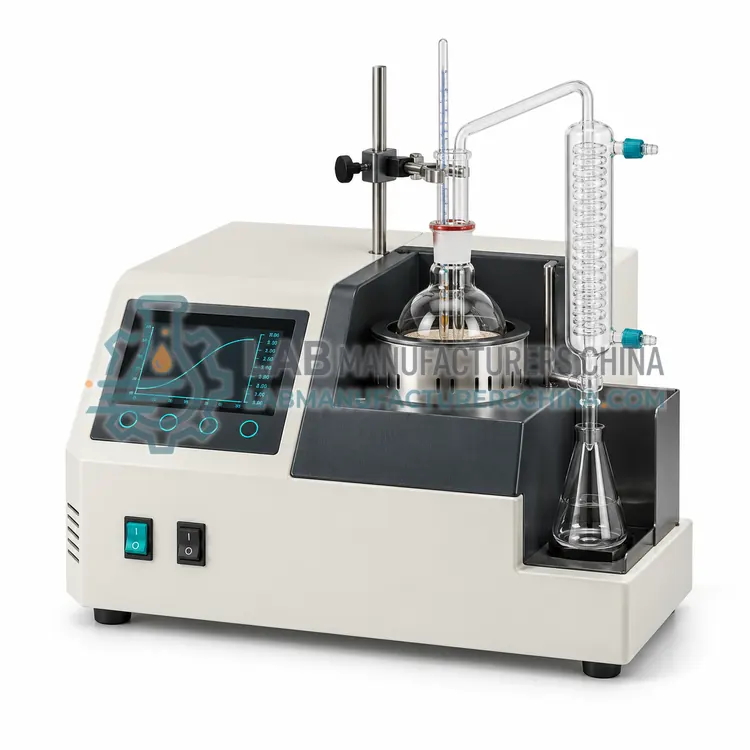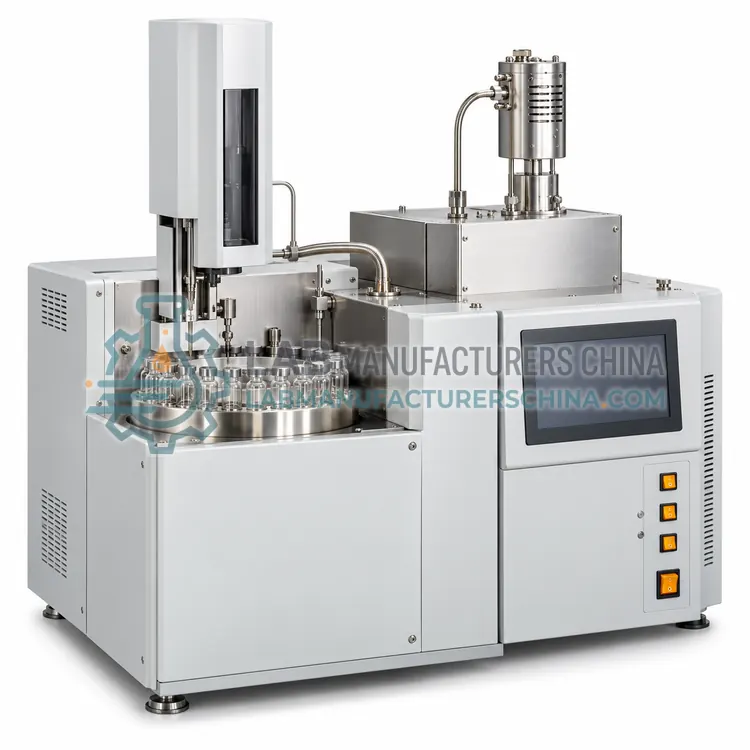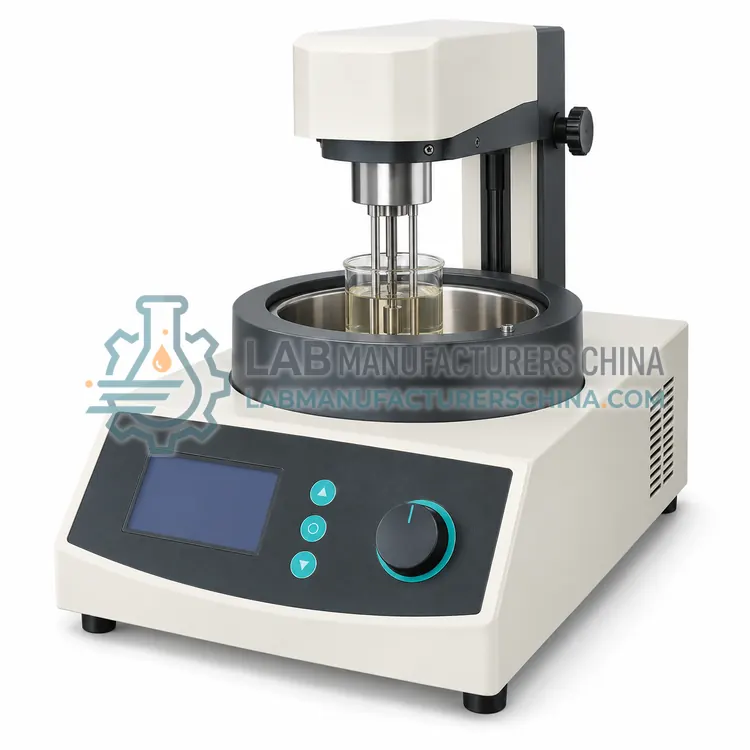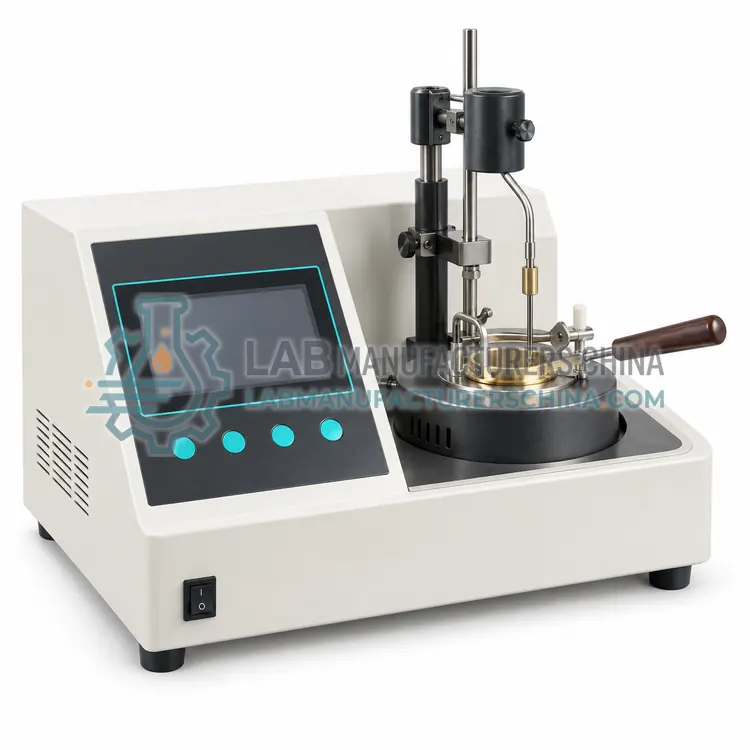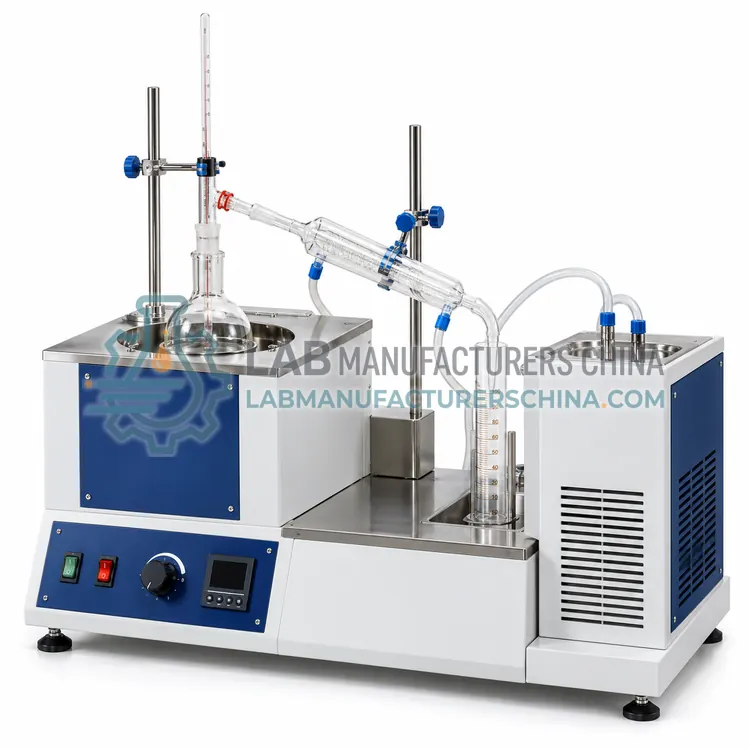
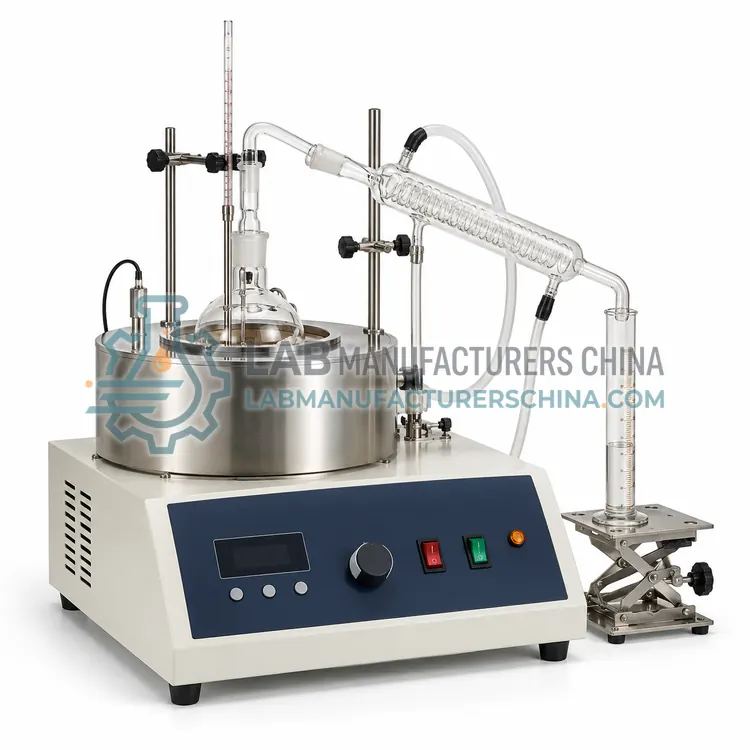
Automatic Vacuum Distillation Analyzer for Heavy Petroleum Products
重质石油产品自动减压蒸馏分析仪
- SKU DTE-0003
- Distillation Testers
- CE (to be confirmed)
- ISO 9001 manufacturing (to be confirmed)
Price on request — FOB / CIF quoted per order
Prices depend on configuration, quantity and destination port.
Key specifications
| Test method | ASTM D1160 |
|---|---|
| Pressure range | 0.13–6.7 kPa (1–50 mmHg) |
| Pressure stability | ±0.03 kPa typical |
| Maximum heating temperature | 400 °C pot temperature |
| Atmospheric equivalent range | Up to about 565 °C |
| Sample volume | 200 mL |
Request a quote Download brochure · to be provided
By Lab Manufacturers China Technical TeamLast reviewed Standards: ASTM D86, ASTM D1160, ASTM D2887
What is the Automatic Vacuum Distillation Analyzer for Heavy Petroleum Products?
An automatic vacuum distillation analyzer distills heavy petroleum products at reduced pressure and converts observed temperatures to atmospheric equivalent temperatures. It follows ASTM D1160 for gas oils, lubricant base stocks and residues that would crack at atmospheric boiling points.
What is the Automatic Vacuum Distillation Analyzer for Heavy Petroleum Products?
An automatic vacuum distillation analyzer distills heavy petroleum products at reduced pressure and converts observed temperatures to atmospheric equivalent temperatures. It follows ASTM D1160 for gas oils, lubricant base stocks and residues that would crack at atmospheric boiling points.
Overview
Heavy gas oils and lubricant feedstocks boil above 350 °C at atmospheric pressure, where thermal cracking would distort results. The vacuum distillation analyzer lowers system pressure, typically between 0.13 and 6.7 kPa (1 to 50 mmHg), so the sample distills at lower temperature. The apparatus includes a round-bottom flask, a heater with programmed power, a vacuum pump and pressure controller, a cold trap, a receiver and temperature sensors. Automatic versions adjust heating to maintain the distillation rate, track condensate volume and convert vapor temperature to atmospheric equivalent temperature using the method equations. Pressure stability is critical, so the system uses precision vacuum gauges and leak-tight glass joints. Condenser temperature is held above the pour point of the sample to prevent solidification, often with heated circulation up to 100 °C.
How does it work?
A distillation tester heats a measured sample in a flask so that it boils and the vapor passes through a condenser held at a controlled temperature. The condensate is collected in a graduated receiver, and the vapor temperature is recorded at the initial boiling point and as specific volumes are recovered, such as 5, 10, 50, 90 and 95 percent, up to the final boiling point. The heating rate is adjusted to keep the distillation rate within method limits. Apparatus includes the flask, heater, condenser bath, receiver cylinder and temperature sensor. Automatic models add level-tracking sensors and refrigeration. Vacuum methods reduce pressure so heavy oils distill without thermal cracking, and simulated distillation uses gas chromatography to infer boiling distribution from retention time. Barometric correction is applied to atmospheric results.
What are the key features?
- Programmed vacuum control from 0.13 to 6.7 kPa
- Automatic conversion to atmospheric equivalent temperature
- Heated condenser circulation for waxy samples
- Liquid nitrogen or refrigerated cold trap
- Electronic volume tracking in receiver
- Leak-tight glass joints with vacuum gauges
What are the technical specifications?
A typical automatic vacuum distillation analyzer for heavy petroleum products configuration offers test method of ASTM D1160, pressure range of 0.13–6.7 kPa (1–50 mmHg), pressure stability of ±0.03 kPa typical, maximum heating temperature of 400 °C pot temperature, atmospheric equivalent range of Up to about 565 °C and sample volume of 200 mL. Values are indicative of the product class; the exact figures for each configuration are confirmed on the quotation and the calibration documents supplied with the instrument.
Which applications is it used for?
The Automatic Vacuum Distillation Analyzer for Heavy Petroleum Products is used in gas oil and vacuum gas oil testing, lubricant base stock characterization, residue feedstock evaluation and refinery unit process control. Across the wider Distillation Testers class, laboratories also deploy it for gasoline and diesel volatility control, jet fuel and kerosene specification testing and naphtha and solvent boiling range.
Which standards and certifications apply?
Relevant standards and methods include ASTM D86, ASTM D1160, ASTM D2887, ASTM D7345, ISO 3405, IP 123, GB/T 6536 and IEC 61010-1. Certification candidates for this model are CE and ISO 9001 manufacturing; each is to be confirmed for the specific configuration before shipment, and certificates are supplied only where they have been issued.
Install distillation testers in a ventilated area with stable room temperature, because ambient conditions affect condenser and receiver temperatures. Use properly dimensioned flasks, supports and baffles, since small changes in geometry alter results. Calibrate temperature probes and level sensors against traceable standards, and run check samples such as reference toluene or certified reference fuels at defined intervals. Check refrigerated baths for coolant level and temperature stability. Clean condenser tubes regularly to prevent residue carry-over, and inspect glassware for cracks before heating. Record barometric pressure and apply corrections where the method requires. Dispose of distillation residues as flammable waste. For vacuum systems, verify leak tightness and pressure gauge calibration before each series.
How do I select the right Automatic Vacuum Distillation Analyzer for Heavy Petroleum Products?
Select this analyzer for heavy products with initial boiling above about 150 °C atmospheric equivalent or that decompose under atmospheric distillation. It is unsuitable for light fuels covered by D86. In an RFQ specify maximum pot temperature, vacuum pump type, condenser heating need, and whether cold trap uses liquid nitrogen or refrigeration.
How does it compare with other Distillation Testers variants?
Begin with the method and product type. ASTM D86 atmospheric distillation covers gasoline, diesel, kerosene and naphtha, while heavy oils that decompose at atmospheric boiling points need vacuum distillation under D1160. Decide between manual and automatic operation: manual apparatus is inexpensive but needs constant attention and is operator-dependent, whereas automatic units control heating profiles, track volume electronically and apply corrections. Small sample volumes or many samples favor micro-distillation, and full boiling distributions from small samples favor simulated distillation by gas chromatography, which needs a different skill set. Check condenser cooling capability, since light gasoline requires near 0 °C baths, and confirm the apparatus supports the sample groups you test. Also compare footprint, fume extraction needs and glassware replacement costs.
Full specifications
| Test method | ASTM D1160 |
|---|---|
| Pressure range | 0.13–6.7 kPa (1–50 mmHg) |
| Pressure stability | ±0.03 kPa typical |
| Maximum heating temperature | 400 °C pot temperature |
| Atmospheric equivalent range | Up to about 565 °C |
| Sample volume | 200 mL |
| Condenser temperature | Ambient to 100 °C |
| Vacuum pump | Two-stage rotary vane, ultimate 0.1 Pa |
| Data output | USB, printer |
| Power supply | 220 V, 50 Hz, 2500 W |
Indicative values for this product class. Final specifications are confirmed on the quotation and in the calibration documents supplied with the instrument.
Applications
- Gas oil and vacuum gas oil testing
- Lubricant base stock characterization
- Residue feedstock evaluation
- Refinery unit process control
Key features
- Programmed vacuum control from 0.13 to 6.7 kPa
- Automatic conversion to atmospheric equivalent temperature
- Heated condenser circulation for waxy samples
- Liquid nitrogen or refrigerated cold trap
- Electronic volume tracking in receiver
- Leak-tight glass joints with vacuum gauges
Frequently asked questions about Automatic Vacuum Distillation Analyzer for Heavy Petroleum Products
Heavy oils crack thermally above about 350 °C, which changes their composition and distorts boiling data. Reducing the pressure lowers boiling temperatures so the sample distills intact, and results are converted to atmospheric equivalent temperatures.
D1160 operates between about 0.13 kPa (1 mmHg) and 6.7 kPa (50 mmHg). Lower pressure suits heavier samples, while the chosen pressure must remain stable throughout the test within method tolerance, requiring a good vacuum pump and controller.
Yes, if it has a heated condenser circulator to keep the sample above its pour point. Waxy products can solidify in a cold condenser and block the vapor path, so specify heating capability up to 100 °C when ordering.
It measures the boiling range of a petroleum product, recording vapor temperature at the initial boiling point, at fixed recovered volumes such as 10, 50 and 90 percent, and at the final boiling point. These values describe volatility and help predict engine performance and evaporation losses.
ASTM D86 is atmospheric distillation for gasoline, diesel, kerosene and naphtha. D1160 uses reduced pressure to distill heavier oils, up to about 400 °C atmospheric equivalent, that would crack at atmospheric boiling temperature. Product type and boiling range decide which method applies.
Condenser temperature affects how completely vapors liquefy. Too warm a bath loses light ends and lowers recovered volume, while too cold a bath may freeze waxy components. D86 specifies bath temperature by sample group, from 0 to 60 °C, so refrigerated baths are usually required.
Related models
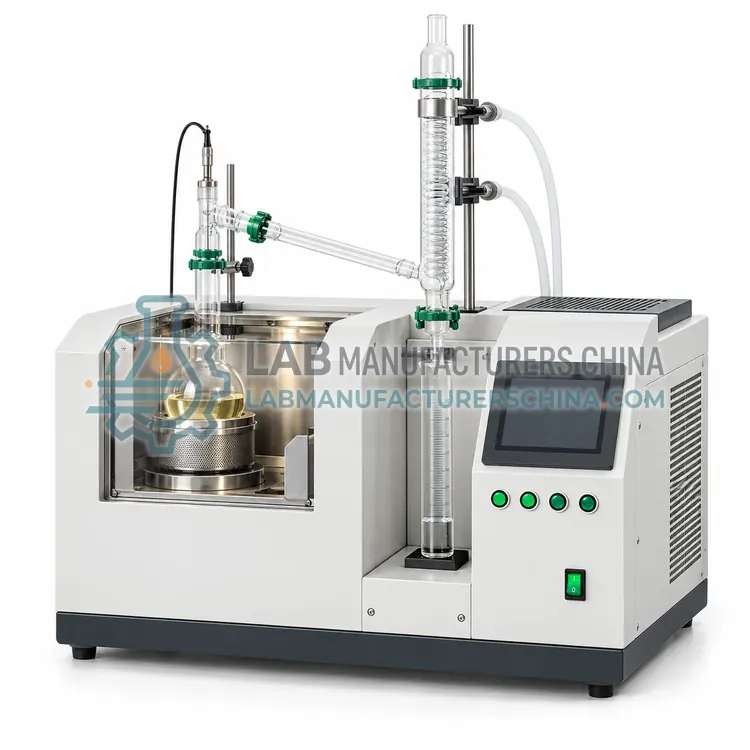
Automatic Atmospheric Distillation Analyzer with Refrigerated Condenser
带制冷冷凝器的自动常压蒸馏分析仪
- CE (to be confirmed)
- +2