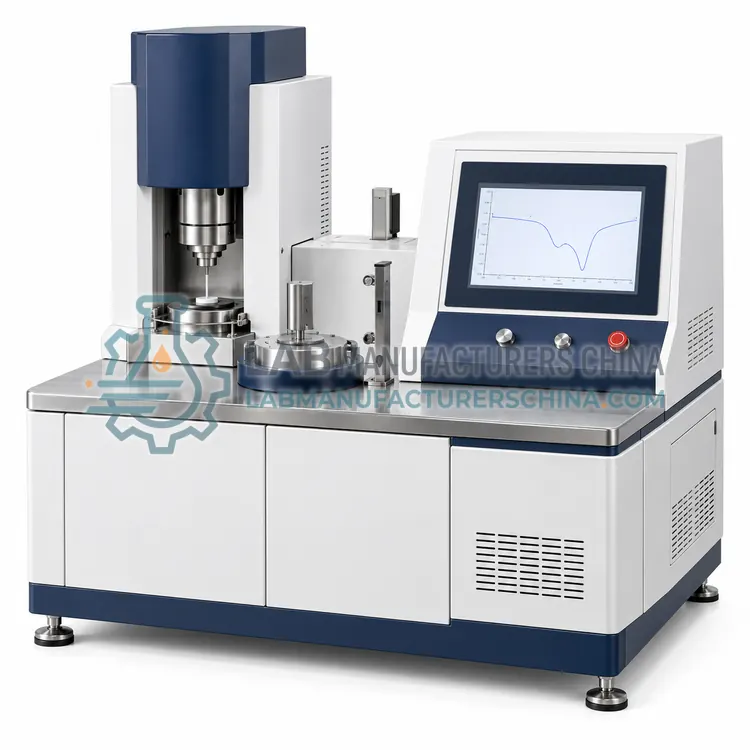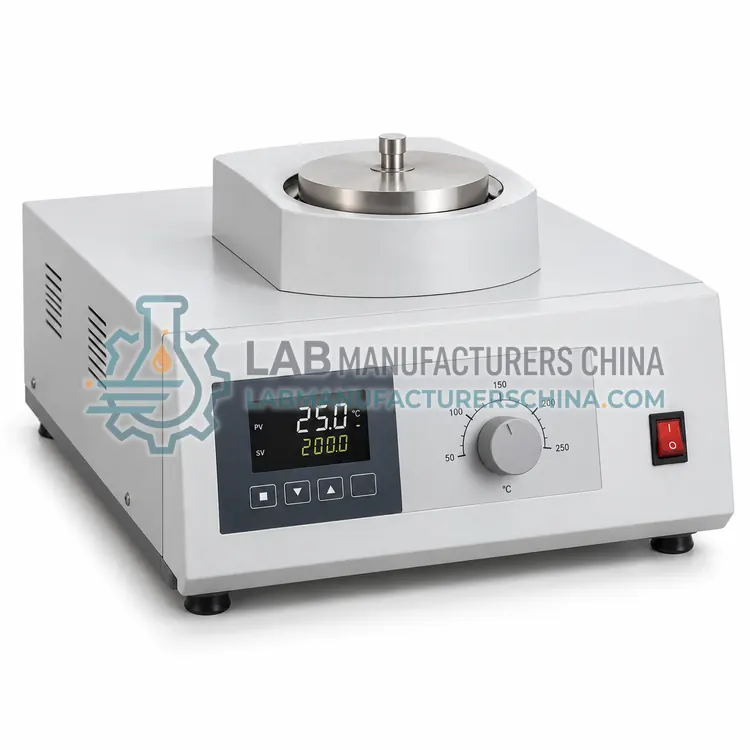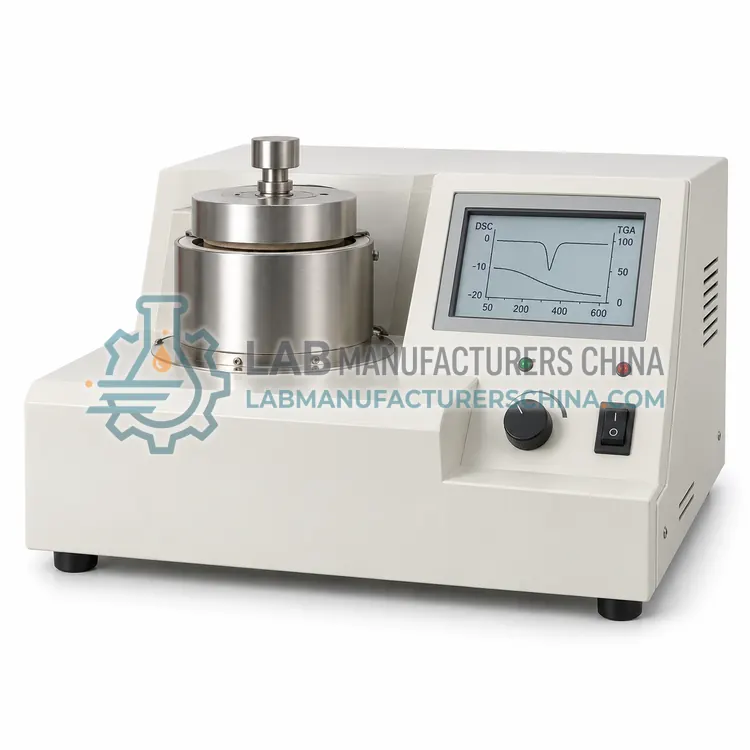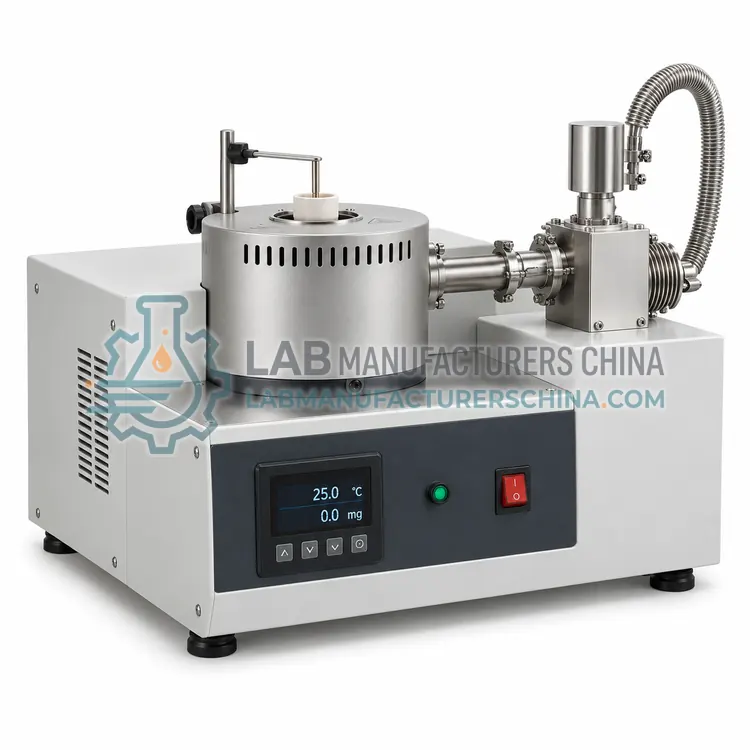
Differential Scanning Calorimeter with Autosampler for Polymer QC
聚合物质控用自动进样差示扫描量热仪
- SKU DSCA-0004
- DSC
- CE (to be confirmed)
- ISO 9001 manufacturing (to be confirmed)
Price on request — FOB / CIF quoted per order
Prices depend on configuration, quantity and destination port.
Key specifications
| Autosampler capacity | 20–50 positions |
|---|---|
| Temperature range | −90 to 600 °C with cooling |
| Heating rate | 0.1–100 °C/min |
| Calorimetric accuracy | ±1% (indium) |
| Temperature accuracy | ±0.2 °C (indium) |
| Typical cycle time per sample | 20–40 min for heat-cool-heat |
Request a quote Download brochure · to be provided
By Lab Manufacturers China Technical TeamLast reviewed Standards: ISO 11357-1, ISO 11357-2, ISO 11357-3
What is the Differential Scanning Calorimeter with Autosampler for Polymer QC?
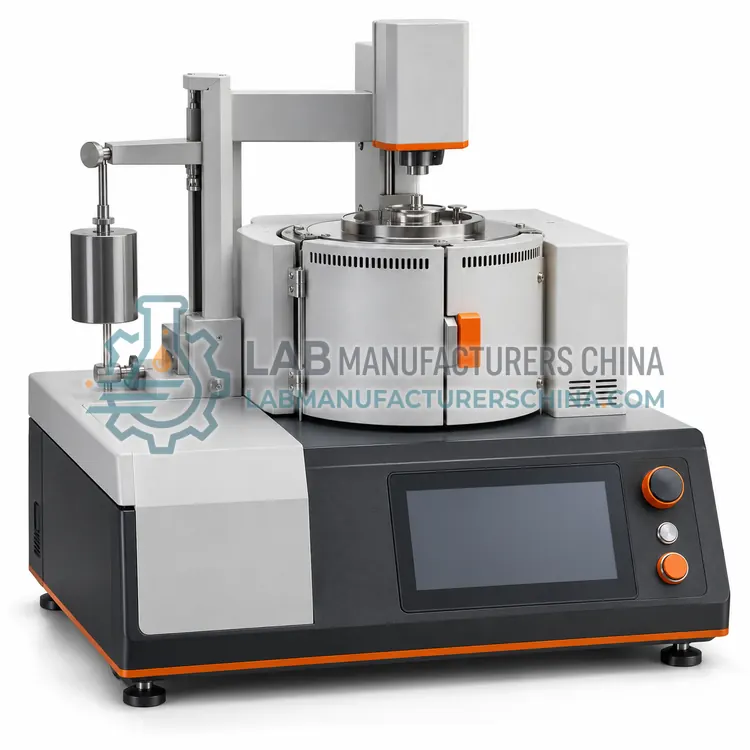
A DSC with an autosampler loads, measures and removes polymer samples automatically from a tray, so a laboratory can run overnight series of routine QC measurements. It suits high-throughput sites where identity verification and grade checks are repeated across many batches.
What is the Differential Scanning Calorimeter with Autosampler for Polymer QC?
A DSC with an autosampler loads, measures and removes polymer samples automatically from a tray, so a laboratory can run overnight series of routine QC measurements. It suits high-throughput sites where identity verification and grade checks are repeated across many batches.
Overview
The autosampler is a robot arm, a sample tray and software that maps each position to a method, so an operator loads sealed pans and starts a sequence. The instrument then runs each sample through its programmed heat-cool-heat cycle, records the curve and advances. Typical trays hold 20 to 50 positions, and the software applies identical analytical limits to each curve, reporting glass transition, melting and crystallisation values with pass or fail against a reference. Throughput gains come at the price of more complex sample handling: pans must be crimped consistently, the tray should be kept dry and free of volatile samples, and the laboratory should verify that results from the tray match those from manual loading. Automatic sequences also make overnight and weekend use practical, which helps laboratories with a large incoming inspection load.
How does it work?
A DSC cell holds the sample and an empty reference pan on a common sensor plate inside a furnace programmed through a controlled temperature ramp. The instrument records the differential heat flow needed to keep sample and reference at the same temperature, in milliwatts, against the furnace temperature or time. Endothermic events such as melting and volatilisation appear as peaks, and exothermic events such as crystallisation and curing appear as positive deviations. Heat-flux cells measure the temperature difference across a thermoelectric disc, while power-compensation cells heat the two holders separately and record the power difference directly. Calibration uses the melting point and enthalpy of indium, and often zinc and tin, with a sapphire disc for specific-heat calibration. Purge gas, sample mass, pan type and heating rate all influence peak shape and the temperatures reported for polymers.
What are the key features?
- Automated tray loading for 20 to 50 samples
- Position-to-method mapping in software
- Automatic pass or fail comparison with reference values
- Overnight and unattended measurement sequences
- Consistent crimping and lid handling
- Result export to laboratory information systems
What are the technical specifications?
A typical differential scanning calorimeter with autosampler for polymer qc configuration offers autosampler capacity of 20–50 positions, temperature range of −90 to 600 °C with cooling, heating rate of 0.1–100 °C/min, calorimetric accuracy of ±1% (indium), temperature accuracy of ±0.2 °C (indium) and typical cycle time per sample of 20–40 min for heat-cool-heat. Values are indicative of the product class; the exact figures for each configuration are confirmed on the quotation and the calibration documents supplied with the instrument.
Which applications is it used for?
The Differential Scanning Calorimeter with Autosampler for Polymer QC is used in incoming inspection of resin batches, grade identity verification against a reference curve, production lot certification for thermoplastic compounds and recycled polymer sorting verification. Across the wider DSC class, laboratories also deploy it for glass transition and melting point determination of polymers, degree of crystallinity and crystallisation kinetics and cure monitoring of thermosetting resins.
Which standards and certifications apply?
Relevant standards and methods include ISO 11357-1, ISO 11357-2, ISO 11357-3, ASTM D3418, ASTM E1356, ASTM D3895 and IEC 61010-1. Certification candidates for this model are CE and ISO 9001 manufacturing; each is to be confirmed for the specific configuration before shipment, and certificates are supplied only where they have been issued.
Calibrate temperature and enthalpy with indium before each campaign, or at least monthly, and check the baseline with an empty pair of pans. Seal volatile or moisture-sensitive samples in hermetic pans and work with a dry inert purge gas to suppress oxidation and ice formation. Sample mass of 5 to 10 mg in a standard pan usually balances resolution and thermal lag; heavy fillers may need more mass and slower heating rates. Keep the cell clean, record cooling conditions together with heating data because thermal history controls crystallinity, and store the raw curves so that re-analysis with different limits remains possible.
How do I select the right Differential Scanning Calorimeter with Autosampler for Polymer QC?
Choose an autosampler when more than about twenty routine measurements per shift are required or when the same heat-cool-heat cycle is repeated for every sample. Confirm tray capacity against your batch size and verify that the software can apply pass or fail limits automatically. Ask whether the system verifies pan presence and seating, since a missing or badly seated pan wastes an entire unattended sequence.
How does it compare with other DSC variants?
The first decision is cell type. Heat-flux cells cope with larger samples and give robust results in routine polymer QC; power-compensation cells offer faster response and better resolution of weak transitions, which helps in research on blends and thin films. Then fix the temperature range: below-ambient capability needs a liquid nitrogen or mechanical cooling accessory, while engineering polymers need a cell rated to at least 600 °C. Sensitivity matters when a weak glass transition in a highly filled compound must be detected, and an autosampler matters above roughly twenty samples per day. Where decomposition begins close to a melting or curing event, choose a simultaneous DSC-TGA instrument so mass loss and heat flow are recorded on the same sample.
Full specifications
| Autosampler capacity | 20–50 positions |
|---|---|
| Temperature range | −90 to 600 °C with cooling |
| Heating rate | 0.1–100 °C/min |
| Calorimetric accuracy | ±1% (indium) |
| Temperature accuracy | ±0.2 °C (indium) |
| Typical cycle time per sample | 20–40 min for heat-cool-heat |
| Crucible types | Crimped aluminium, hermetic aluminium |
| Purge gas flow | 20–50 mL/min |
| Data output | CSV, PDF report, network export |
| Power supply | 220 V, 50/60 Hz |
Indicative values for this product class. Final specifications are confirmed on the quotation and in the calibration documents supplied with the instrument.
Applications
- Incoming inspection of resin batches
- Grade identity verification against a reference curve
- Production lot certification for thermoplastic compounds
- Recycled polymer sorting verification
Key features
- Automated tray loading for 20 to 50 samples
- Position-to-method mapping in software
- Automatic pass or fail comparison with reference values
- Overnight and unattended measurement sequences
- Consistent crimping and lid handling
- Result export to laboratory information systems
Frequently asked questions about Differential Scanning Calorimeter with Autosampler for Polymer QC
They should not, provided the pans are crimped to the same specification and the tray positions are clean. Laboratories are advised to run a comparison series at installation, because slight differences in pan seating or in lid mass can shift the baseline. Any systematic difference should be corrected before routine use.
Only in sealed hermetic pans, and the laboratory should first confirm the sealing at the intended temperature, since pressure build-up can burst a pan and contaminate the cell. Reactive samples that cure strongly exothermically may generate enough heat to damage a pan or disturb adjacent measurements, so a trial run is prudent.
Keep the tray dry and free of spilled polymer fragments, and inspect the crimping tool for wear at intervals because deformed pans may not seat properly. Store prepared pans in a desiccator if the polymer is hygroscopic, and record the tray position map with the analysis sequence so that results remain traceable to the correct sample.
A DSC gives transition temperatures and the heat associated with each event: glass transition, melting and crystallisation temperatures, enthalpy of fusion and hence degree of crystallinity, cure exotherm, specific heat and oxidative induction time. Comparing these values with a reference grade supports identification, batch verification and troubleshooting of processing problems.
Indium is the primary standard for both temperature and enthalpy, with a melting point near 156.6 °C and a well-known enthalpy of fusion. Zinc, tin, lead and other certified metals extend the range when the working window is far from indium. Specific heat is calibrated with a sapphire disc under the same scan conditions.
Polymers melt over a range rather than at a single point, and heat transfer through the sample creates thermal lag, so a faster ramp shifts and broadens the peak to higher temperature. Methods therefore fix the heating rate, commonly 10 °C per minute, so that results from different laboratories using the same standard remain comparable.
Related models