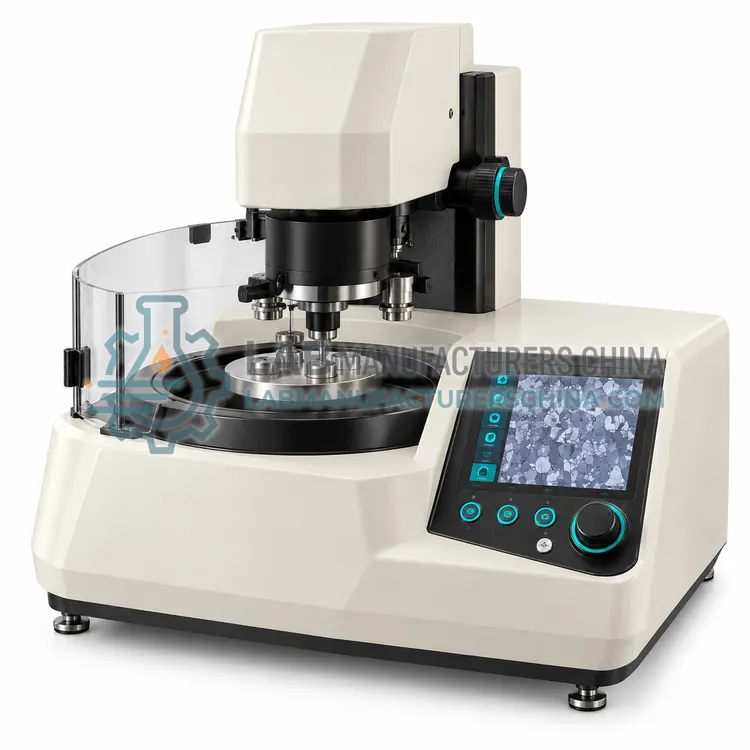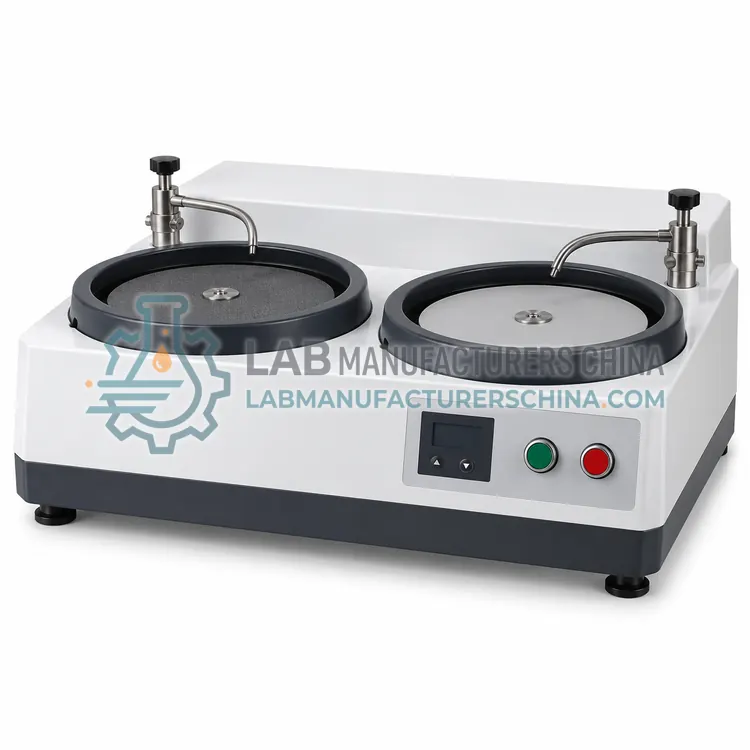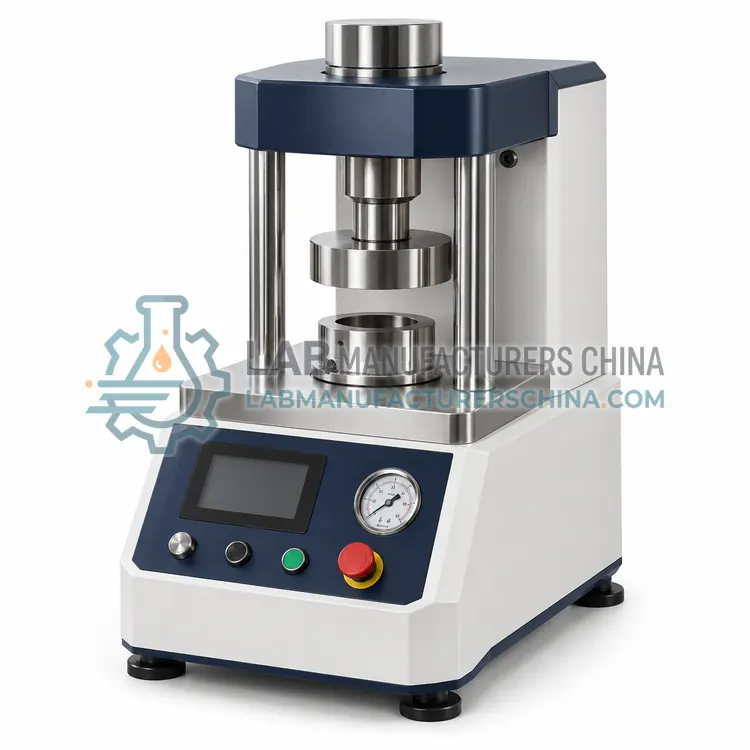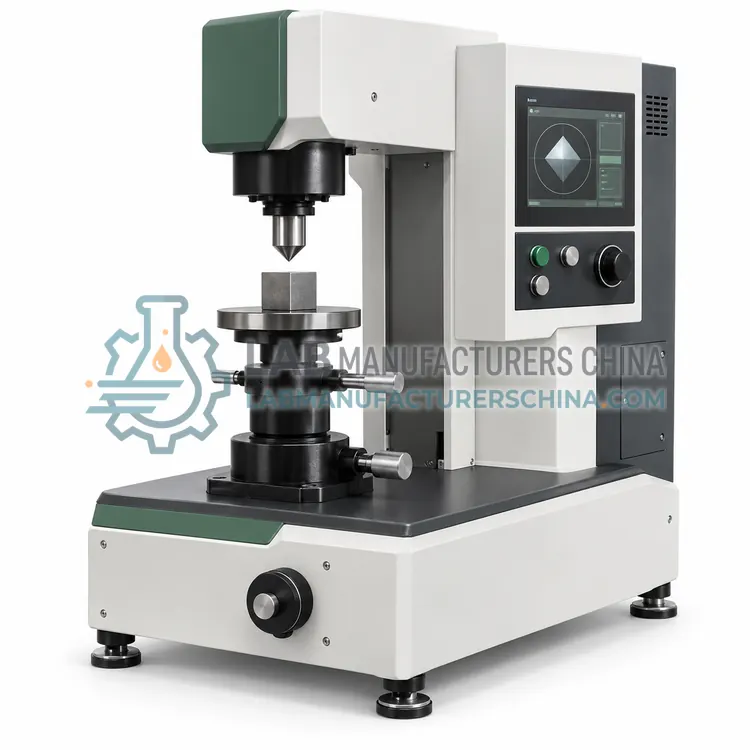
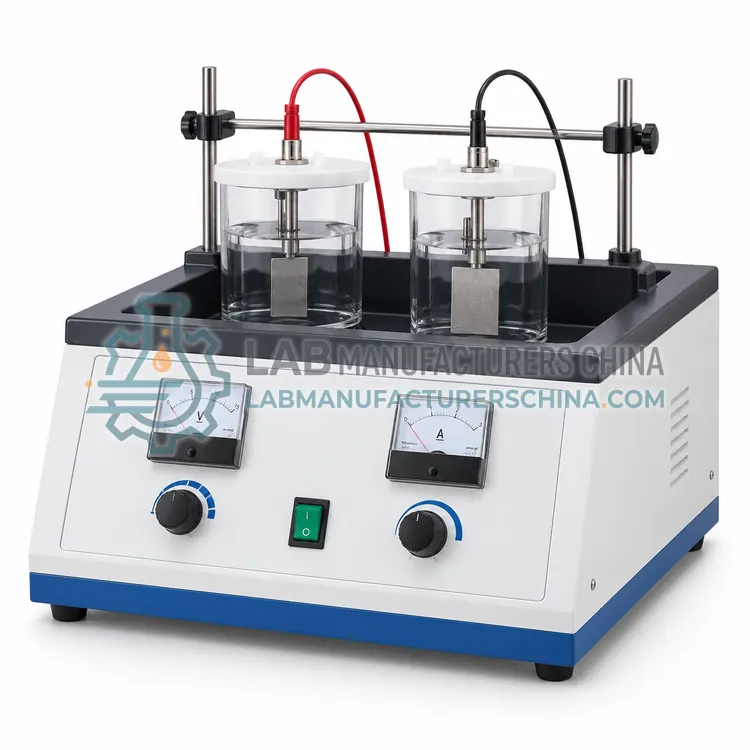
Electrolytic Polishing and Etching Unit
电解抛光浸蚀仪
- SKU MEE-0003
- Metallographic Equipment
- CE (to be confirmed)
- ISO 9001 manufacturing (to be confirmed)
Price on request — FOB / CIF quoted per order
Prices depend on configuration, quantity and destination port.
Key specifications
| Voltage range | 0–100 V DC adjustable |
|---|---|
| Current range | 0–5 A with display |
| Polishing area | 0.2–5 cm² typical |
| Electrolyte volume | 200–1000 mL |
| Temperature control | Ambient to 40 °C, monitored |
| Timer | 1–600 s |
Request a quote Download brochure · to be provided
By Lab Manufacturers China Technical TeamLast reviewed Standards: ASTM E3, ASTM E407, ASTM E112
What is the Electrolytic Polishing and Etching Unit?
An electrolytic polishing and etching unit passes a controlled current through a specimen immersed in an electrolyte, dissolving the surface uniformly to polish it or selectively to reveal microstructure. It suits soft and difficult metals.
What is the Electrolytic Polishing and Etching Unit?
An electrolytic polishing and etching unit passes a controlled current through a specimen immersed in an electrolyte, dissolving the surface uniformly to polish it or selectively to reveal microstructure. It suits soft and difficult metals.
Overview
The specimen is made the anode in an electrolyte cell, with a cathode of stainless steel or platinum. At the correct voltage and current density, metal dissolves uniformly and a viscous boundary layer produces a bright, deformation-free surface, which is valuable for soft metals such as aluminium, copper and lead that smear during mechanical polishing, and for specimens intended for electron microscopy. By raising the voltage into the etching range, dissolution becomes selective: grain boundaries, precipitates or specific phases are attacked at different rates, revealing structure without mechanical artefacts. Controls include voltage and current display, a timer, temperature measurement and, in some units, magnetic stirring or electrolyte pumping to keep the composition uniform. Safety features cover fume containment, electrolyte spill trays and, where perchloric acid mixtures are used, dedicated hoods and cooling.
How does it work?
Metallography reveals the internal structure of a metal by preparing a flat, scratch-free surface and then accentuating features chemically or optically. A cut-off wheel sections the specimen under coolant so heat does not alter the structure, and hot or cold mounting encapsulates it in resin for handling. Grinding with silicon carbide papers removes the cut damage, and polishing with diamond or alumina suspensions produces a mirror-like surface. Etching with a reagent such as nital attacks grain boundaries and specific phases preferentially, so reflected light shows grain structure, phase contrast and defects. Examination uses inverted or upright reflected-light microscopes with brightfield, darkfield, polarized and differential interference contrast modes, and images are captured digitally. Image analysis then measures grain size by intercept or planimetric methods, phase fractions, nodularity, inclusion ratings and coating thickness, producing numbers that can be compared against acceptance limits.
What are the key features?
- Specimen as anode with stainless or platinum cathode
- Adjustable voltage and current density
- Timer and electrolyte temperature indication
- Magnetic stirring or electrolyte circulation
- Interchangeable polishing and etching cells
- Fume containment and spill tray as standard
What are the technical specifications?
A typical electrolytic polishing and etching unit configuration offers voltage range of 0–100 V DC adjustable, current range of 0–5 A with display, polishing area of 0.2–5 cm² typical, electrolyte volume of 200–1000 mL, temperature control of Ambient to 40 °C, monitored and timer of 1–600 s. Values are indicative of the product class; the exact figures for each configuration are confirmed on the quotation and the calibration documents supplied with the instrument.
Which applications is it used for?
The Electrolytic Polishing and Etching Unit is used in polishing soft or ductile metals without smearing, electron microscopy specimen preparation, selective etching of specific phases and preparation of aluminium, copper and lead alloys. Across the wider Metallographic Equipment class, laboratories also deploy it for microstructure examination in steel and cast iron, grain size and phase fraction measurement and inclusion and cleanliness rating.
Which standards and certifications apply?
Relevant standards and methods include ASTM E3, ASTM E407, ASTM E112, ASTM E45, ASTM E562, ISO 643 and IEC 61010-1. Certification candidates for this model are CE and ISO 9001 manufacturing; each is to be confirmed for the specific configuration before shipment, and certificates are supplied only where they have been issued.
Consumables dominate metallographic quality, so keep an adequate stock of cut-off wheels, resin, papers, cloths and diamond suspensions, and follow the supplier's recommended sequence. Clean specimens thoroughly between steps with water and alcohol and dry them before etching, since contamination produces artefacts. Prepare a batch of control specimens of known structure to check that the procedure still reveals the true structure, and date all etchants, replacing them when they weaken. Verify microscope calibration with a stage micrometer each time magnification is changed, and confirm that the software's length scale matches the objective actually used. Handle etchants and solvents with gloves, eye protection and fume extraction, and dispose of spent solutions through an authorised route, since many contain strong acids or organic solvents.
How do I select the right Electrolytic Polishing and Etching Unit?
Select the electrolytic unit when mechanical polishing smears or deforms the material or when specimens are prepared for electron microscopy. Specify voltage and current ranges, cell sizes, stirring and temperature control, and confirm the electrolyte recipes available for your alloys.
How does it compare with other Metallographic Equipment variants?
Choose preparation equipment by specimen type and daily volume. Hardened steel and large sections need a sturdy cut-off saw with adequate cooling, while small or porous parts need vacuum impregnation or cold mounting. A semi-automatic grinding and polishing head with individual force control gives reproducible results for several specimens at once and is worth the cost when many samples are prepared daily. For examination, decide whether an upright microscope is enough or whether an inverted stage is needed for large, unmounted samples, and check the magnification range, illumination modes and camera resolution against the features you measure. Image analysis software should support the specific measurements you report, such as ASTM E112 grain size, ASTM E45 inclusion ratings or coating thickness, and it should allow the measurement rules and thresholds to be recorded so results can be audited and reproduced by another operator.
Full specifications
| Voltage range | 0–100 V DC adjustable |
|---|---|
| Current range | 0–5 A with display |
| Polishing area | 0.2–5 cm² typical |
| Electrolyte volume | 200–1000 mL |
| Temperature control | Ambient to 40 °C, monitored |
| Timer | 1–600 s |
| Stirring | Magnetic or pump circulation |
| Power supply | 220 V, 50/60 Hz |
Indicative values for this product class. Final specifications are confirmed on the quotation and in the calibration documents supplied with the instrument.
Applications
- Polishing soft or ductile metals without smearing
- Electron microscopy specimen preparation
- Selective etching of specific phases
- Preparation of aluminium, copper and lead alloys
Key features
- Specimen as anode with stainless or platinum cathode
- Adjustable voltage and current density
- Timer and electrolyte temperature indication
- Magnetic stirring or electrolyte circulation
- Interchangeable polishing and etching cells
- Fume containment and spill tray as standard
Frequently asked questions about Electrolytic Polishing and Etching Unit
Soft, ductile or reactive metals such as aluminium, copper, lead, zinc and many stainless steels, plus specimens intended for electron microscopy where a deformation-free surface is required.
By recording a current-voltage curve in the electrolyte. Polishing occurs on a plateau where current remains almost constant as voltage rises, while etching occurs at higher voltages in the rising region of the curve.
Follow the supplier's recipe, keep volumes and temperatures within limits, and use fume extraction. Perchloric acid mixtures require a dedicated hood, no organic contact and strict temperature control because they can form explosive residues.
Sectioning with a cooled abrasive wheel, mounting in resin, coarse grinding, fine grinding on successively finer papers, polishing with diamond or alumina suspension, and etching if structure is to be revealed. Cleaning and drying follow each stage.
By comparing the etched structure with standard charts, or by counting grain boundary intersections along test lines and converting the count to a grain size number, as described in ASTM E112 and ISO 643.
For soft, ductile or difficult metals that smear or deform during mechanical polishing, and for preparing surfaces for electron microscopy. It removes material uniformly, but the electrolyte must be matched to the alloy and temperature controlled.
Related models