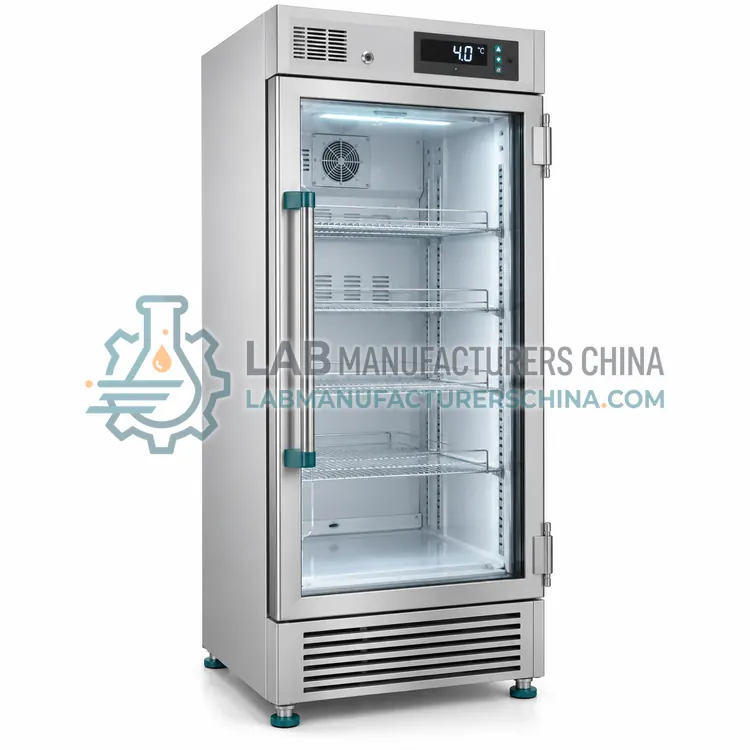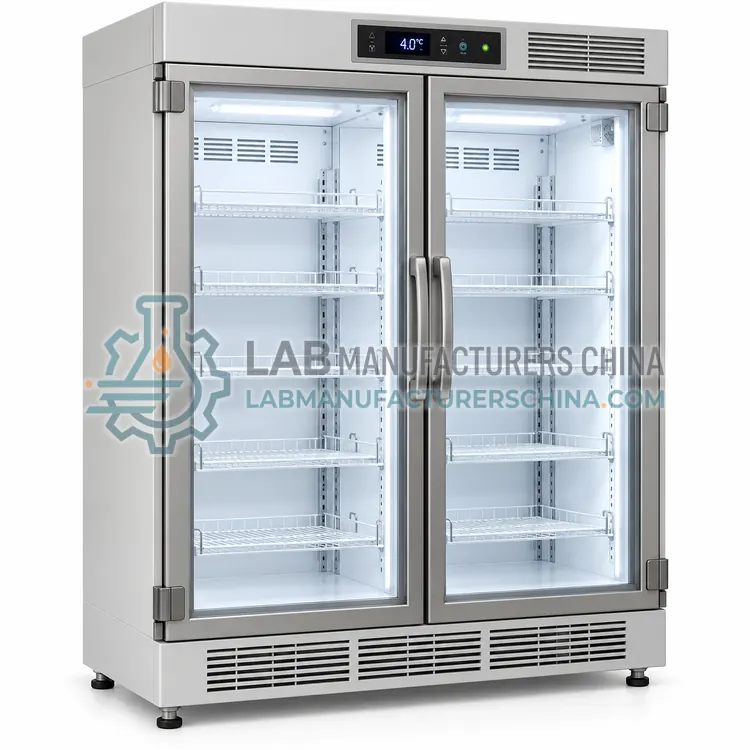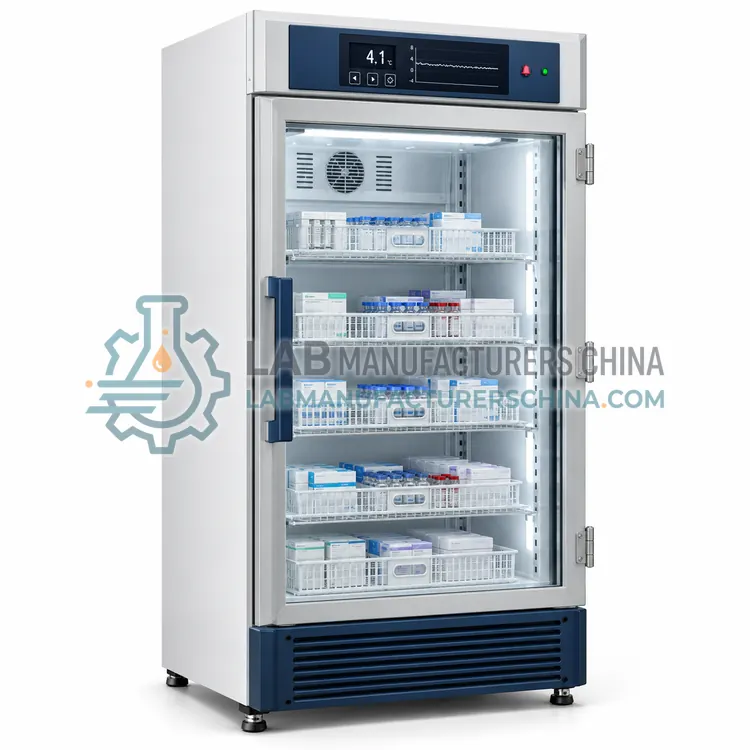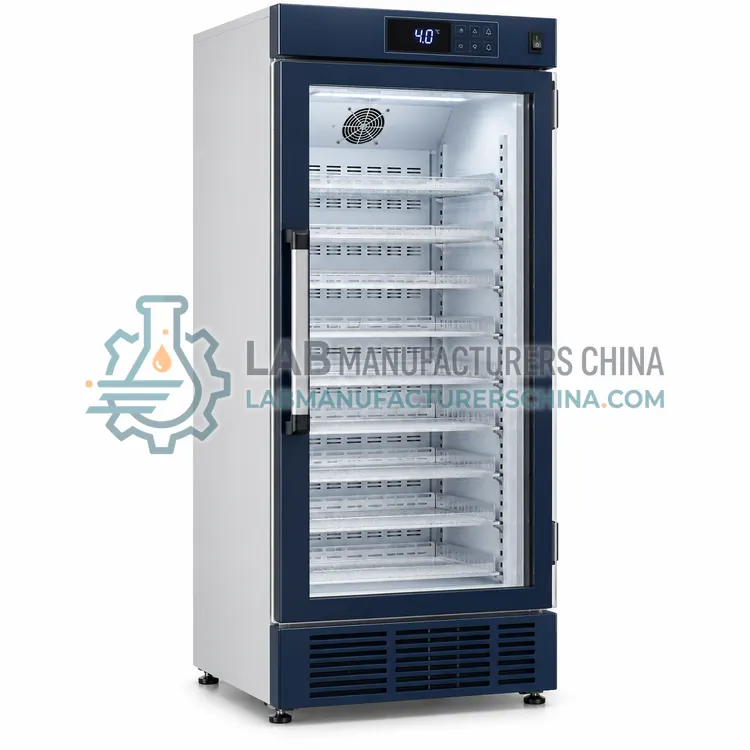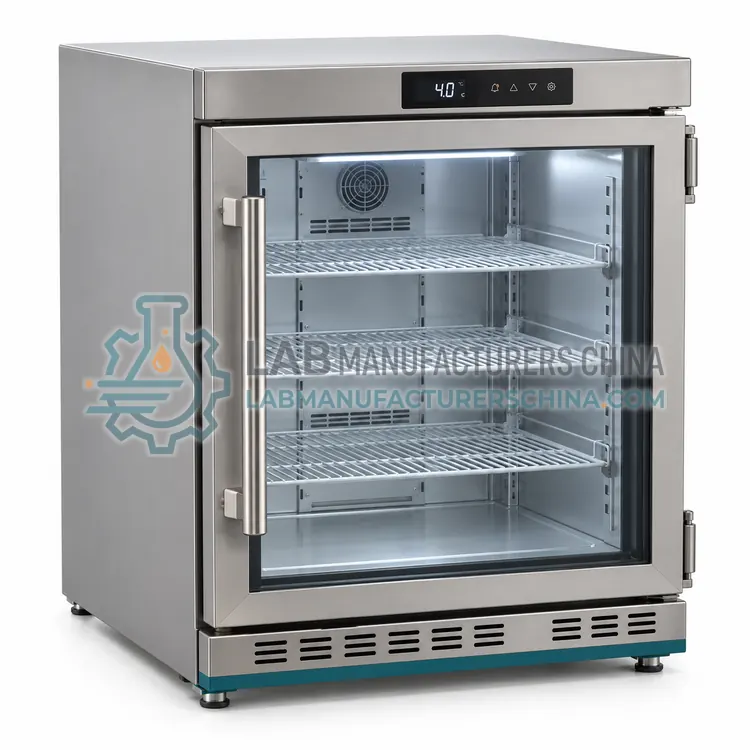
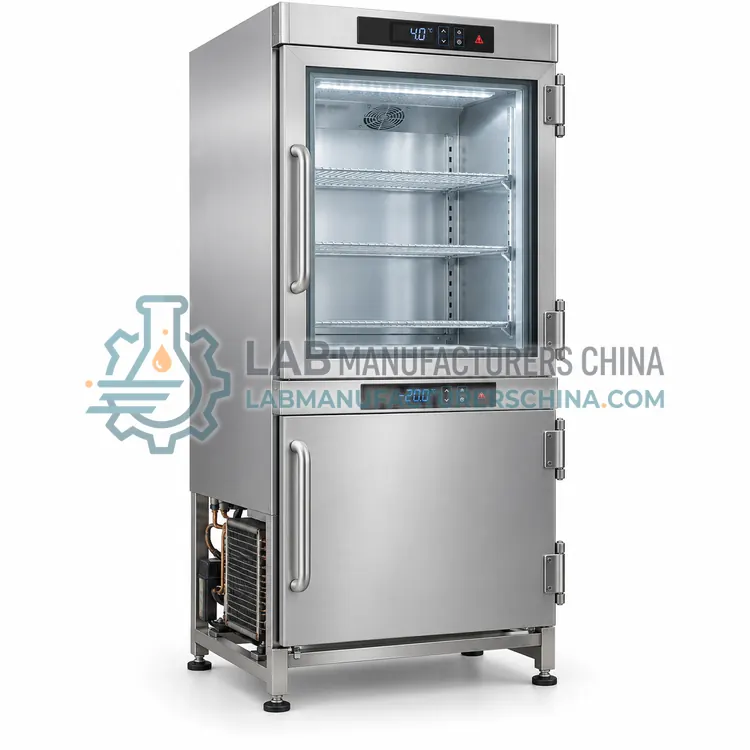
Pharmacy Refrigerator-Freezer Combination
药品冷藏冷冻组合柜
- SKU PHR-0004
- Pharmacy Refrigerators
- CE (to be confirmed)
- ISO 9001 manufacturing (to be confirmed)
- ISO 13485 manufacturing (to be confirmed)
Price on request — FOB / CIF quoted per order
Prices depend on configuration, quantity and destination port.
Key specifications
| Refrigerator temperature | 2–8 °C |
|---|---|
| Freezer temperature | –15 to –25 °C |
| Total net volume | 250–450 L |
| Volume split | About 2:1 refrigerator to freezer |
| Cooling circuits | Independent, single or dual compressor |
| Refrigerant | R600a or R290 |
Request a quote Download brochure · to be provided
By Lab Manufacturers China Technical TeamLast reviewed Standards: WHO PQS E003 refrigerators and freezers, WHO Good Distribution Practices for pharmaceutical products (TRS 957 Annex 5), EU GDP Guidelines 2013/C 343/01
What is the Pharmacy Refrigerator-Freezer Combination?
A combination cabinet that provides a 2–8 °C refrigerated compartment and a separate –15 to –25 °C freezer compartment in one footprint. It suits pharmacies that hold both refrigerated medicines and frozen items, such as certain vaccines, and want to limit the number of appliances.
What is the Pharmacy Refrigerator-Freezer Combination?
A combination cabinet that provides a 2–8 °C refrigerated compartment and a separate –15 to –25 °C freezer compartment in one footprint. It suits pharmacies that hold both refrigerated medicines and frozen items, such as certain vaccines, and want to limit the number of appliances.
Overview
The combination cabinet places a refrigerator compartment and a freezer compartment in one body, each with its own door, evaporator and controller. The refrigerator section holds 2–8 °C, while the freezer section operates at –15 to –25 °C for frozen medicines and ice packs. Separate evaporators prevent the freezer air from affecting the refrigerator, which is a known cause of accidental freezing in domestic-style combination units. Laboratory and pharmacy designs therefore use independent circuits, and some use two compressors. Typical total volume is 250–450 L split roughly two to one between the sections. Each compartment has its own display, alarm and sensor, and users should log and verify them separately.
How does it work?
A pharmacy refrigerator removes heat from an insulated cabinet with a vapour-compression circuit: a compressor, condenser, expansion device and evaporator circulate refrigerant, typically R600a, R290 or R134a. A fan moves air over the evaporator and through the cabinet, which equalises temperature and speeds recovery after door opening. A microprocessor controller reads an air or buffered probe and cycles the compressor around the set point, normally 5 °C. Independent sensors drive high and low alarms, door-ajar warnings and power-failure alerts. Insulation of polyurethane foam, a sealed door gasket and, in some models, a heated glass door limit heat gain and condensation. Data loggers record temperature for audit. Performance is judged by uniformity, stability, recovery time and hold-over during power loss.
What are the key features?
- Independent refrigerator and freezer circuits avoid cross-chilling of medicines
- Separate displays, sensors and alarms for each compartment
- Refrigerator section holds 2–8 °C and freezer section holds –15 to –25 °C
- Lockable doors with heated gasket on freezer door
- Single footprint replaces two separate cabinets in small pharmacies
What are the technical specifications?
A typical pharmacy refrigerator-freezer combination configuration offers refrigerator temperature of 2–8 °C, freezer temperature of –15 to –25 °C, total net volume of 250–450 L, volume split of About 2:1 refrigerator to freezer, cooling circuits of Independent, single or dual compressor and refrigerant of R600a or R290. Values are indicative of the product class; the exact figures for each configuration are confirmed on the quotation and the calibration documents supplied with the instrument.
Which applications is it used for?
The Pharmacy Refrigerator-Freezer Combination is used in pharmacies holding frozen medicines, small clinic vaccine storage, hospital ward stores and reagent and ice-pack storage. Across the wider Pharmacy Refrigerators class, laboratories also deploy it for hospital pharmacy stock, vaccine storage and insulin and biologics.
Which standards and certifications apply?
Relevant standards and methods include WHO PQS E003 refrigerators and freezers, WHO Good Distribution Practices for pharmaceutical products (TRS 957 Annex 5), EU GDP Guidelines 2013/C 343/01, USP <1079> Good Storage and Distribution Practices, IEC 61010-1 and ISO 13485. Certification candidates for this model are CE, ISO 9001 manufacturing and ISO 13485 manufacturing; each is to be confirmed for the specific configuration before shipment, and certificates are supplied only where they have been issued.
Install the cabinet on a level floor away from heat sources and direct sunlight, leaving the ventilation clearance in the manual, and let it stabilise for several hours before loading. Validate the cabinet by temperature mapping at empty and loaded conditions, and calibrate probes against a traceable reference at least annually. Clean the condenser every few months, check door gaskets and verify alarms regularly. Keep stock away from the evaporator outlet. Retain temperature records and excursion reports for the period required by your regulator. Good practice guidance, such as WHO and national pharmacy rules, sets expectations for monitoring and response.
How do I select the right Pharmacy Refrigerator-Freezer Combination?
Pick a combination cabinet when refrigerated and –20 °C items are both held in small quantities and space is limited. Specify the required volume of each section, whether independent circuits are provided, alarm per section and defrost type. Use separate units if either section is large or if vaccines need validated freezer stability.
How does it compare with other Pharmacy Refrigerators variants?
Start from what is stored and how much. Small volumes of routine medicines fit an undercounter unit, typical dispensary stock fits a single-door upright, and central stores need a double-door cabinet. Vaccines call for a dedicated model with buffered probe, data logging and verified hold-over time. Consider uniformity (about 3 K or better), recovery after door opening, alarm set, interface to monitoring systems and door type. Check whether the refrigerant and energy use match local rules, and confirm the ambient temperature range, since a cabinet rated for 32 °C may struggle in a hot storeroom. Combination units suit small sites with frozen items.
Full specifications
| Refrigerator temperature | 2–8 °C |
|---|---|
| Freezer temperature | –15 to –25 °C |
| Total net volume | 250–450 L |
| Volume split | About 2:1 refrigerator to freezer |
| Cooling circuits | Independent, single or dual compressor |
| Refrigerant | R600a or R290 |
| Freezer defrost | Manual or automatic, model-dependent |
| Alarms | High/low per compartment, door ajar, power failure |
| Door | Two solid doors, lockable |
| Power supply | 220–240 V, 50 Hz |
Indicative values for this product class. Final specifications are confirmed on the quotation and in the calibration documents supplied with the instrument.
Applications
- Pharmacies holding frozen medicines
- Small clinic vaccine storage
- Hospital ward stores
- Reagent and ice-pack storage
Key features
- Independent refrigerator and freezer circuits avoid cross-chilling of medicines
- Separate displays, sensors and alarms for each compartment
- Refrigerator section holds 2–8 °C and freezer section holds –15 to –25 °C
- Lockable doors with heated gasket on freezer door
- Single footprint replaces two separate cabinets in small pharmacies
Frequently asked questions about Pharmacy Refrigerator-Freezer Combination
Domestic combination units often use one evaporator in the freezer with a damper that feeds cold air to the refrigerator. That can cause local freezing near the outlet. Pharmacy designs use separate evaporators and sensors, with verified 2–8 °C control in the refrigerator compartment.
Some vaccines need –15 to –25 °C storage, which the freezer section can provide if it is validated. Check the vaccine's labelled range first, because other products require ultra-low temperatures that a –20 °C compartment cannot provide.
Manual-defrost freezers need periodic ice removal, during which stock is moved to another freezer. Automatic-defrost models cycle a heater, which can briefly raise temperatures, so check that the warm-up remains within the labelled limits of the stored products.
A pharmacy refrigerator is a cabinet that holds medicines, biologicals and vaccines at 2–8 °C. It differs from a domestic refrigerator by using forced-air circulation, calibrated controllers, alarms and optional data logging so stock stays within labelled limits and compliance can be shown.
Domestic refrigerators are not recommended for vaccines and sensitive medicines, because their temperature swings are wider and they lack alarms and records. Some can freeze items near the back wall. Use a purpose-built pharmacy refrigerator for regulated stock.
Most refrigerated medicines are labelled for 2–8 °C, so the cabinet is normally set near 5 °C to leave margin on both sides. Always check the labelled storage condition of each product, since a few products have narrower or different ranges.
Related models