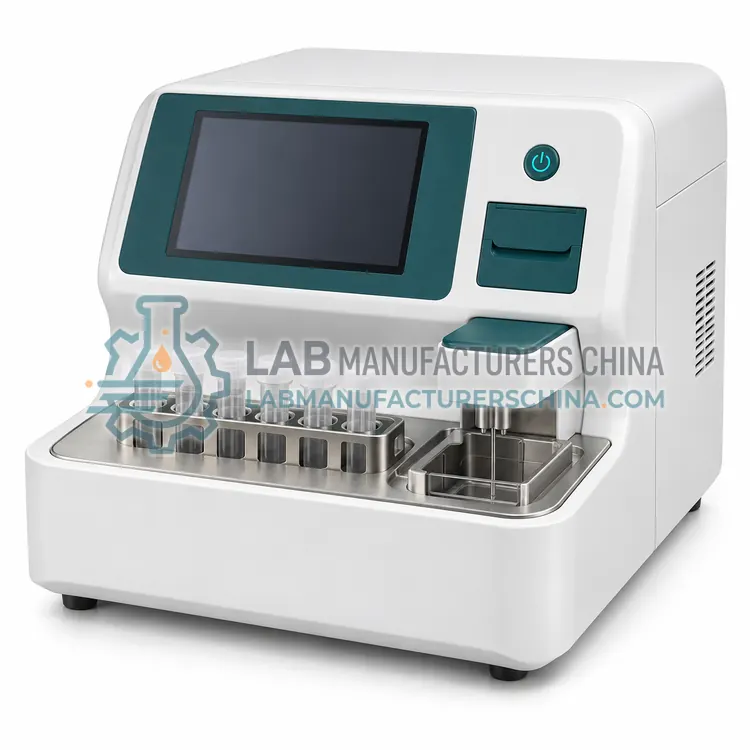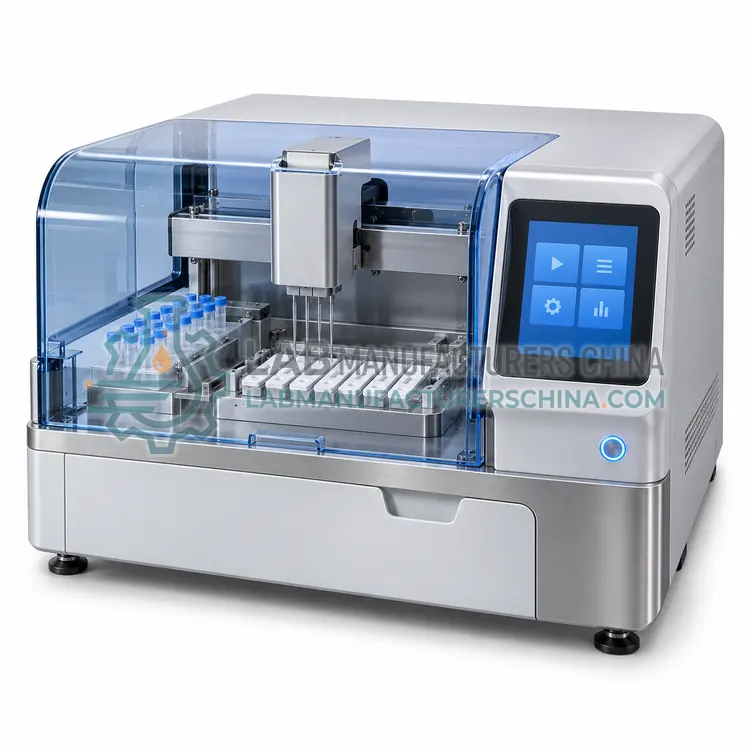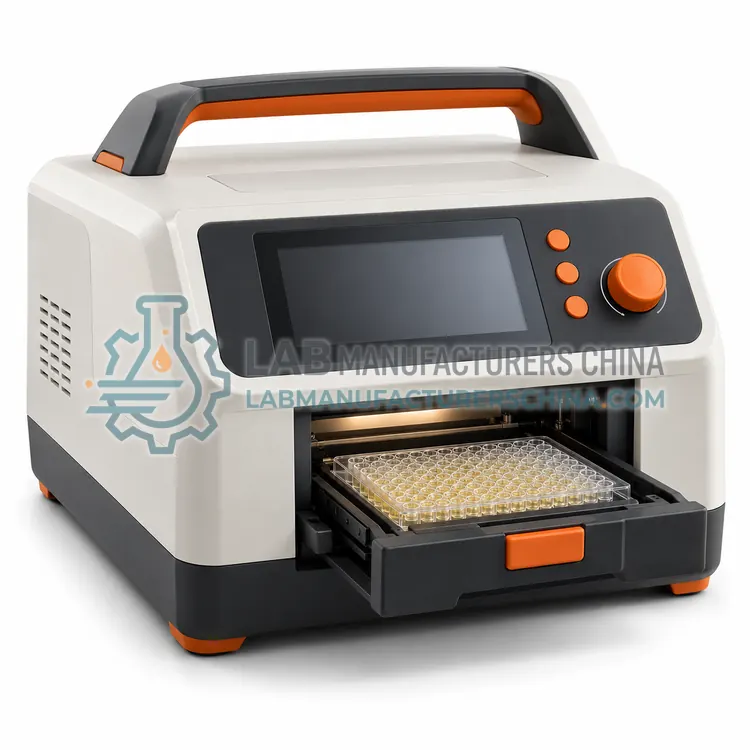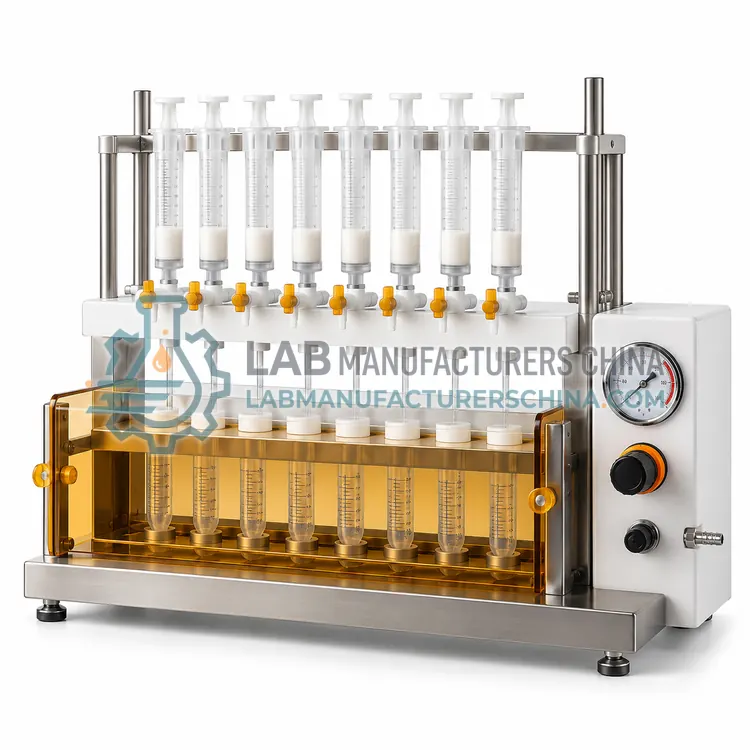
Multi-Drug Test Cup and Cassette Kit System
多项毒品检测杯和试剂卡套装系统
- SKU DSS-0005
- Drug Screening Systems
- CE (to be confirmed)
- ISO 9001 manufacturing (to be confirmed)
Price on request — FOB / CIF quoted per order
Prices depend on configuration, quantity and destination port.
Key specifications
| Format | Cup or cassette with integrated strips |
|---|---|
| Specimen | Urine |
| Read time | approx. 5 min |
| Drug panel | 5–14 drugs |
| Cutoffs | Per drug (typically 50–1000 ng/mL) |
| Temperature strip | 32–38 °C indicator |
Request a quote Download brochure · to be provided
By Lab Manufacturers China Technical TeamLast reviewed Standards: ISO 15189, CLSI EP12, ISO 18113-1
What is the Multi-Drug Test Cup and Cassette Kit System?
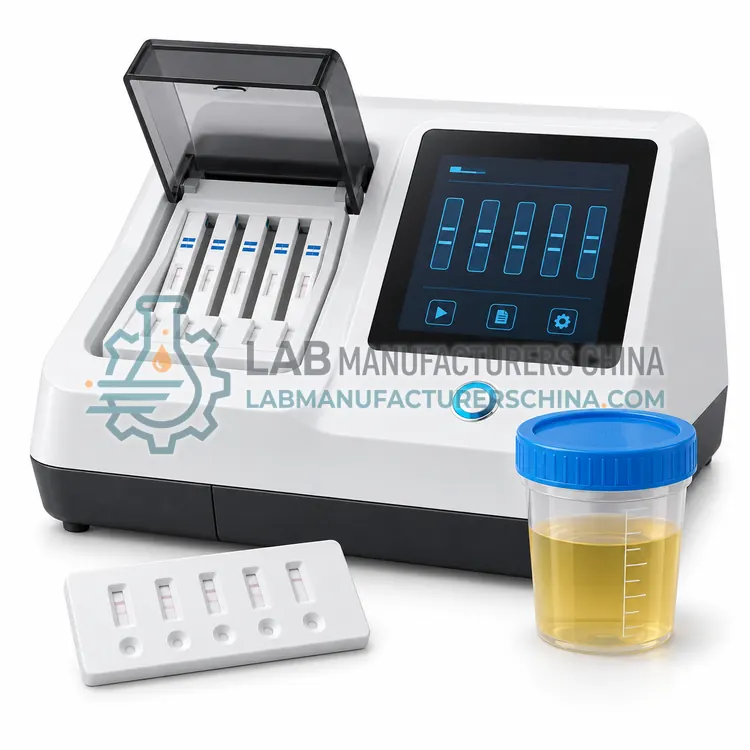
A multi-drug test cup and cassette kit system provides integrated collection and lateral flow testing for 5 to 14 drugs in a single device. It is an instrument-free option for low-volume and field testing with results in about five minutes.
What is the Multi-Drug Test Cup and Cassette Kit System?
A multi-drug test cup and cassette kit system provides integrated collection and lateral flow testing for 5 to 14 drugs in a single device. It is an instrument-free option for low-volume and field testing with results in about five minutes.
Overview
The cup contains a collection chamber with integrated test strips and often temperature strip for urine validity. The user collects urine, closes the cup and reads the lines after about five minutes. Lines on each strip indicate negative, while missing lines indicate a presumptive positive, and a control line confirms the test worked. Each strip has a specified cutoff, for example 300 ng/mL for amphetamine, 50 ng/mL for cannabis metabolite and 300 ng/mL for opiates, depending on the product. Adulteration strips may test for creatinine, pH, oxidants and specific gravity. The system needs no instruments and is inexpensive per test, but visual reading is subjective near cutoff, records are manual unless paired with a reader, and devices must be stored and used within the labeled temperature and expiry. Positive results require confirmation.
How does it work?
Most drug screening relies on competitive immunoassay. A labeled drug or drug-conjugate competes with drug in the sample for a limited number of antibody binding sites, so the signal is inversely related to the drug concentration. In lateral flow cassettes, the sample migrates along a nitrocellulose membrane and a colored line appears in the test region when drug is absent or below the cutoff. Readers use a camera or photodiode to interpret line intensity and remove visual subjectivity. Instrument immunoassays use enzyme-labeled or particle-enhanced reactions measured photometrically, and ELISA plates measure enzyme-generated color in wells with a microplate reader. Each assay is set to a cutoff concentration, for example 300 or 50 ng/mL depending on the drug, and results are presumptive until confirmed by GC-MS or LC-MS/MS.
What are the key features?
- Integrated collection cup with multi-drug test strips
- Temperature strip to help confirm fresh urine sample
- Optional adulteration checks for creatinine, pH and oxidants
- Results in about five minutes without instruments
- Available as 5 to 14 drug panels
What are the technical specifications?
A typical multi-drug test cup and cassette kit system configuration offers format of Cup or cassette with integrated strips, specimen of Urine, read time of approx. 5 min, drug panel of 5–14 drugs, cutoffs of Per drug (typically 50–1000 ng/mL) and temperature strip of 32–38 °C indicator. Values are indicative of the product class; the exact figures for each configuration are confirmed on the quotation and the calibration documents supplied with the instrument.
Which applications is it used for?
The Multi-Drug Test Cup and Cassette Kit System is used in clinics and treatment centers, pre-employment screening, field and remote sites and schools and sports programs. Across the wider Drug Screening Systems class, laboratories also deploy it for workplace drug testing programs, clinical and emergency department screening and drug treatment and probation monitoring.
Which standards and certifications apply?
Relevant standards and methods include ISO 15189, CLSI EP12, ISO 18113-1, IEC 61010-2-101 and SAMHSA Mandatory Guidelines for Federal Workplace Drug Testing Programs. Certification candidates for this model are CE and ISO 9001 manufacturing; each is to be confirmed for the specific configuration before shipment, and certificates are supplied only where they have been issued.
Follow the manufacturer instructions for specimen collection, volume and read time, because reading outside the window can change the result. Store reagents and cassettes within the labeled temperature range and do not use them after expiry. Run positive and negative controls at defined intervals and record lot numbers. Maintain chain-of-custody and specimen integrity checks such as temperature, creatinine and adulterant testing for urine. Clean readers and optical windows, and verify calibration as specified. Because results are presumptive, define a confirmation pathway with a qualified laboratory and communicate cross-reactivity limits to reviewers. Keep personal data secure according to privacy rules applicable to testing programs.
How do I select the right Multi-Drug Test Cup and Cassette Kit System?
Select cup kits for low volumes, field use or quick checks without instruments. For recorded results, add a reader, and for large volumes, use an automated analyzer. In an RFQ, specify the drug panel, cutoffs, temperature strip, adulteration checks and shelf life.
How does it compare with other Drug Screening Systems variants?
Choose according to testing volume, setting and required evidence. Low-volume sites such as clinics and clubs often use instant cassettes or cups with a reader, while a central laboratory screening hundreds of samples a day needs an automated immunoassay analyzer. Oral fluid systems suit roadside and workplace testing where observed collection matters, and hair testing offers a long detection window. Check the drug panel, cutoff values, specimen types and cross-reactivity data. A reader reduces subjectivity and supports record-keeping, which is important for workplace programs. Consider connectivity with LIS or case management software, the cost of consumables, reagent stability and storage conditions. Programs following regulated guidelines must confirm that cutoffs and procedures match the required scheme.
Full specifications
| Format | Cup or cassette with integrated strips |
|---|---|
| Specimen | Urine |
| Read time | approx. 5 min |
| Drug panel | 5–14 drugs |
| Cutoffs | Per drug (typically 50–1000 ng/mL) |
| Temperature strip | 32–38 °C indicator |
| Adulteration strips | Optional |
| Shelf life | approx. 18–24 months |
| Storage temperature | 2–30 °C |
| Sample volume | approx. 30–45 mL |
Indicative values for this product class. Final specifications are confirmed on the quotation and in the calibration documents supplied with the instrument.
Applications
- Clinics and treatment centers
- Pre-employment screening
- Field and remote sites
- Schools and sports programs
Key features
- Integrated collection cup with multi-drug test strips
- Temperature strip to help confirm fresh urine sample
- Optional adulteration checks for creatinine, pH and oxidants
- Results in about five minutes without instruments
- Available as 5 to 14 drug panels
Frequently asked questions about Multi-Drug Test Cup and Cassette Kit System
Results are typically readable in about five minutes. Results should not be read after the time specified in the instructions, since lines may change or fade.
Faint lines near the cutoff are difficult to call by eye, so many programs treat any visible line as negative or repeat the test with a reader or laboratory method.
Most kits are stored at 2 to 30 °C, but the labeled range and expiry date on the package must be followed to keep performance within specification.
A drug screening system is a set of instruments and tests that quickly detect drugs of abuse in specimens such as urine or oral fluid. Most use immunoassay at defined cutoffs and give presumptive results that need laboratory confirmation.
Accuracy is high for the target drug at its cutoff but not absolute. Cross-reactivity can cause false positives and low concentrations near the cutoff can give false negatives, so confirmation by GC-MS or LC-MS/MS is standard.
A cutoff is the concentration at or above which a test reports positive. It is set by regulation or program design and differs by drug and specimen, for example 50 ng/mL for some opiates in urine.