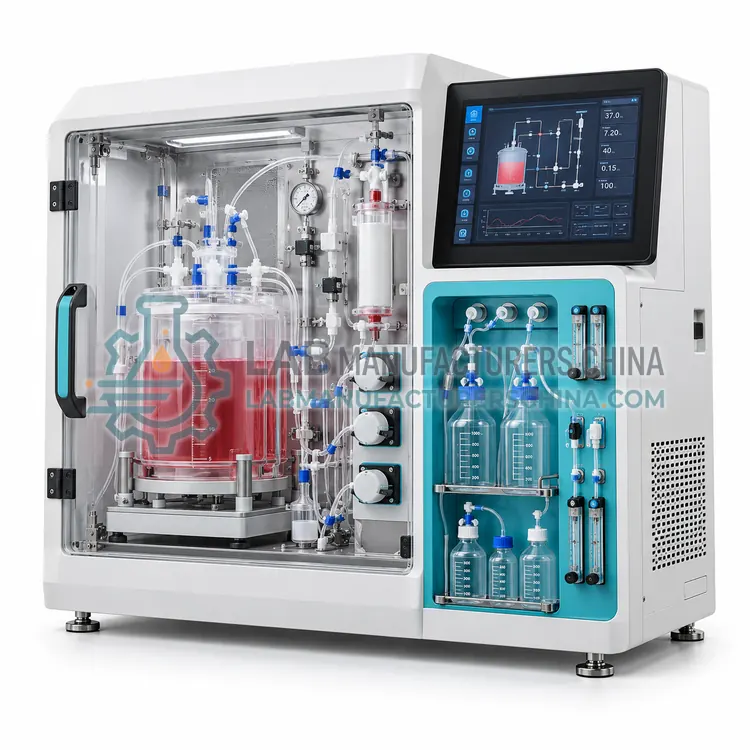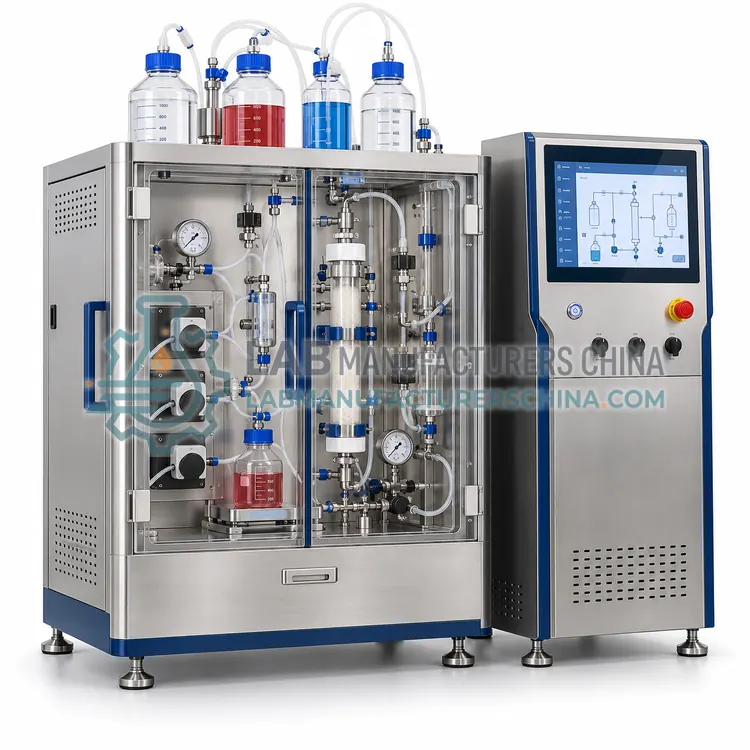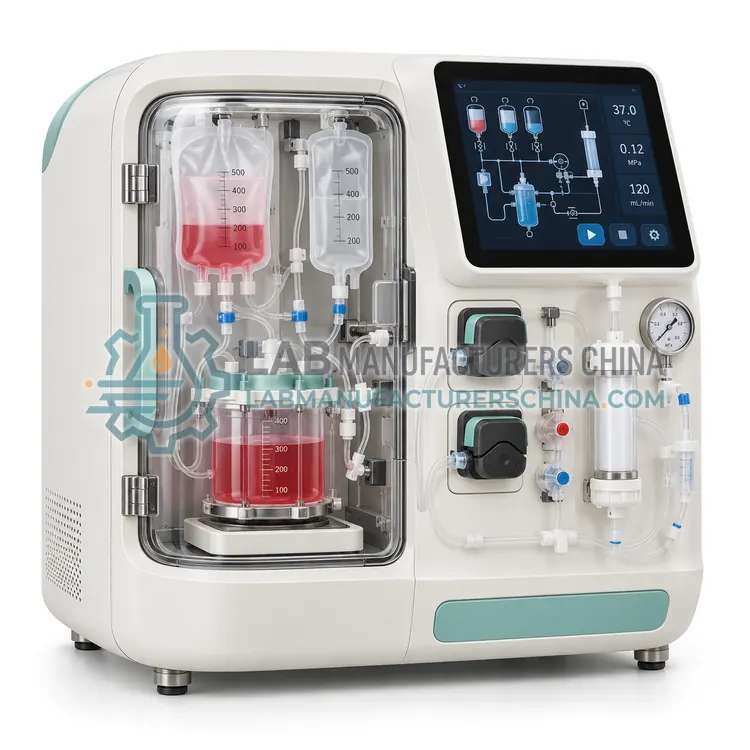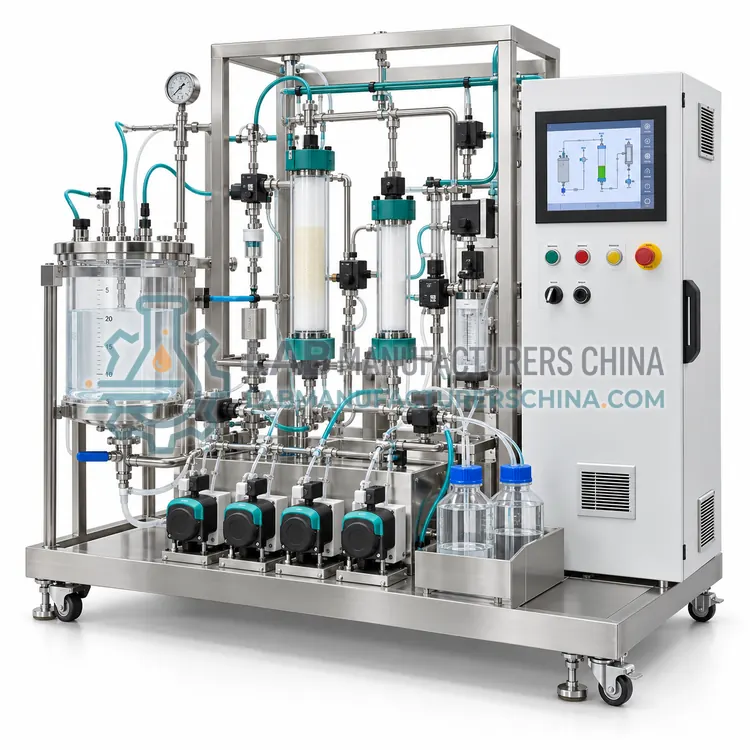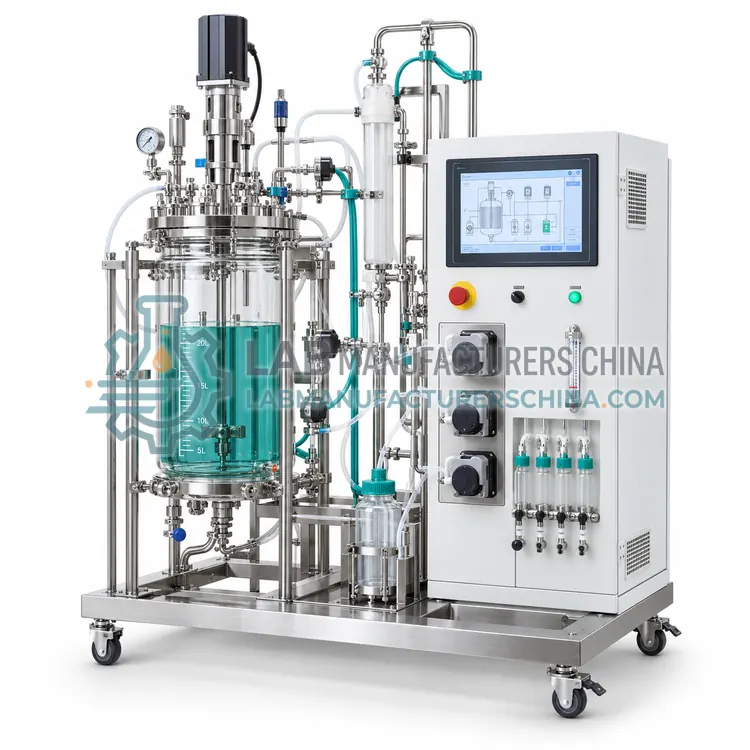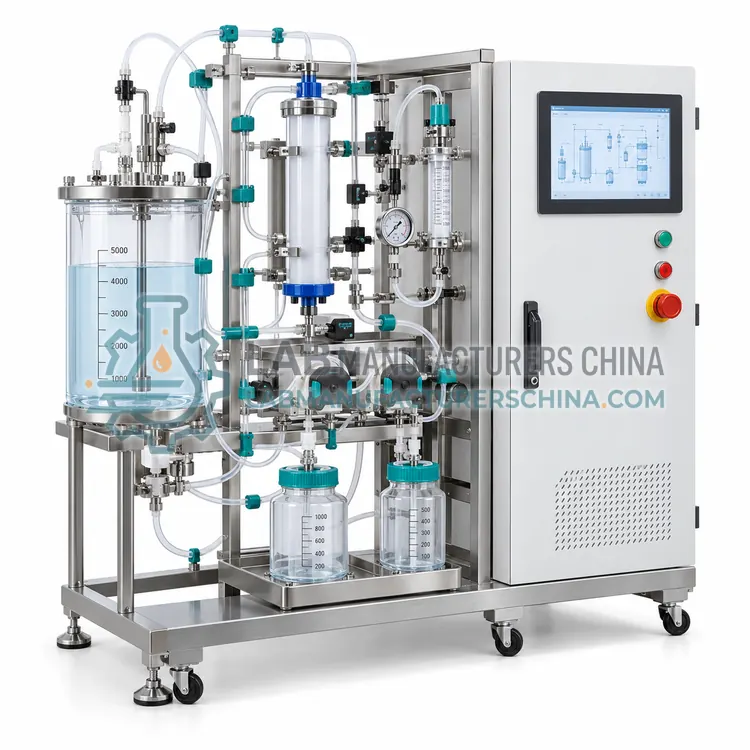
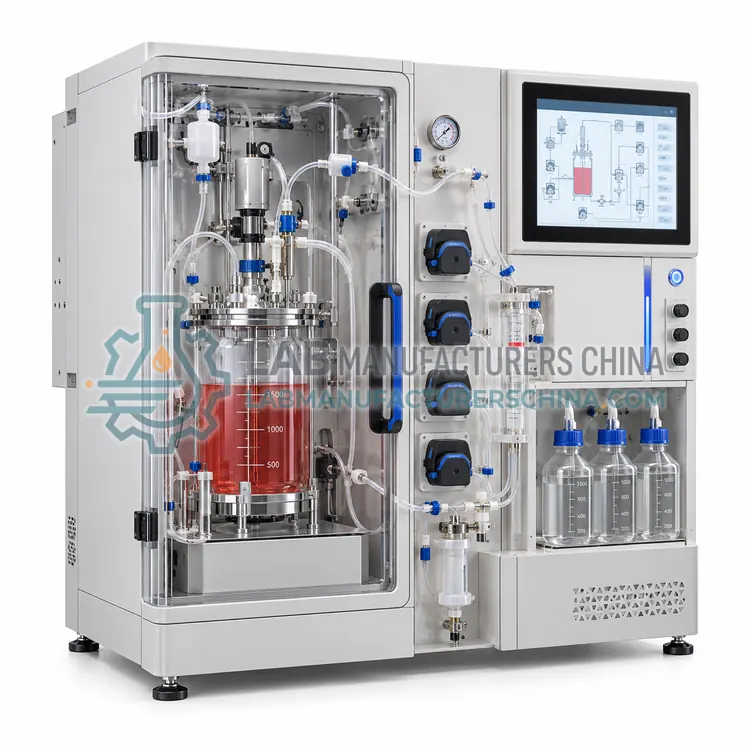
Cell Transduction System
细胞转导系统
- SKU CPR-0005
- Cell Processing
- CE (to be confirmed)
- ISO 13485 manufacturing (to be confirmed)
- 21 CFR Part 11 software documentation (to be confirmed)
Price on request — FOB / CIF quoted per order
Prices depend on configuration, quantity and destination port.
Key specifications
| Delivery method | Lentiviral, retroviral or electroporation |
|---|---|
| Cell number per run | Up to 10^9 cells |
| Vector dose control | MOI based, user set |
| Temperature control | 35–39 °C, ±0.2 °C |
| Electroporation voltage | Programmable, buffer dependent |
| Fluid path | Closed, single-use |
Request a quote Download brochure · to be provided
By Lab Manufacturers China Technical TeamLast reviewed Standards: EU GMP Annex 1, EU GMP Annex 11, 21 CFR Part 11
What is the Cell Transduction System?
A cell transduction system introduces genetic material into cells, typically with viral vectors or electroporation, under controlled and closed conditions. It is used to create engineered cells such as CAR-T therapeutic products.
What is the Cell Transduction System?
A cell transduction system introduces genetic material into cells, typically with viral vectors or electroporation, under controlled and closed conditions. It is used to create engineered cells such as CAR-T therapeutic products.
Overview
A cell transduction system delivers genes into target cells to create an engineered cell product. Viral methods use lentiviral or retroviral vectors that enter cells and integrate or express the transgene, often enhanced by centrifugation, culture in a defined medium or the addition of transduction enhancers. Non-viral methods include electroporation, which applies controlled electric pulses to open pores in the cell membrane so that plasmid, messenger RNA or gene-editing components enter. The system controls vector dose, cell concentration, temperature, timing and washing steps, and it removes residual vector and reagent before downstream processing. Because the product is living, closed single-use circuits, low shear and full traceability are important, and the transduction efficiency and vector copy number are measured as quality attributes.
How does it work?
Cell processing equipment manipulates living cells while preserving viability and function. Separation and selection use immunomagnetic beads or density gradients to enrich a target population. Activation with antibodies or cytokines prepares T cells or other lymphocytes for expansion, which is then carried out in closed, gas-permeable culture systems with controlled temperature, dissolved oxygen and feeding. Washing and concentration use centrifugation in a closed chamber or tangential flow filtration to remove medium, beads and impurities and to reach a defined dose volume. Formulation adds a cryoprotectant such as dimethyl sulfoxide before controlled-rate freezing stores the product at low temperature. Because the product is living and often autologous, the equipment is designed for closed processing, single-use fluid paths, low shear and full traceability of each patient batch.
What are the key features?
- Viral vector or electroporation delivery
- Controlled vector dose and cell concentration
- Closed single-use fluid path
- Post-transduction washing to remove residual vector
- Transduction efficiency and copy number measurement support
What are the technical specifications?
A typical cell transduction system configuration offers delivery method of Lentiviral, retroviral or electroporation, cell number per run of Up to 10^9 cells, vector dose control of MOI based, user set, temperature control of 35–39 °C, ±0.2 °C, electroporation voltage of Programmable, buffer dependent and fluid path of Closed, single-use. Values are indicative of the product class; the exact figures for each configuration are confirmed on the quotation and the calibration documents supplied with the instrument.
Which applications is it used for?
The Cell Transduction System is used in CAR-T and TCR engineering, gene-edited cell product development, viral vector mediated cell engineering and research on gene delivery. Across the wider Cell Processing class, laboratories also deploy it for autologous cell therapy manufacturing, allogeneic cell product manufacturing and CAR-T and TCR cell production.
Which standards and certifications apply?
Relevant standards and methods include EU GMP Annex 1, EU GMP Annex 11, 21 CFR Part 11, 21 CFR Part 1271, ISO 13485, USP <1046> and IEC 61010-1. Certification candidates for this model are CE, ISO 13485 manufacturing and 21 CFR Part 11 software documentation; each is to be confirmed for the specific configuration before shipment, and certificates are supplied only where they have been issued.
Handle all materials under the appropriate biosafety and cleanroom conditions, and use aseptic technique throughout. Verify that reagents and consumables are qualified for the process and that lot changes are controlled. Confirm closed-system integrity, especially connectors and welds, and monitor cell counts, viability and sterility at defined points. Programmable steps should be locked and version controlled, and each patient or batch record should capture operator, reagents and deviations. Maintain temperature control and check that shear and centrifugation settings do not reduce viability. For regulated production, validate the process, qualify the equipment and confirm that software meets data integrity requirements. Electrical safety follows IEC 61010-1.
How do I select the right Cell Transduction System?
Choose a transduction system from the delivery method and the engineered product. In an RFQ specify delivery technology, cell number per run, vector dose control, temperature and washing capability, closedness, recording and the assays you rely on for transduction efficiency and vector copy number.
How does it compare with other Cell Processing variants?
Select equipment from the cell type, the target dose and the closedness your product requires. Autologous therapies need single-use, closed fluid paths that avoid open manipulation, so specify bag and connector formats and whether processing is manual, semi-automated or fully automated. For selection, choose immunomagnetic or density-based methods according to the required purity, recovery and whether the target is rare. For expansion, match the culture surface area, gas exchange and feeding strategy to the expected fold expansion and cell density. For washing and concentration, define the final dose volume, acceptable recovery and whether a cryoprotectant must be added in the same closed circuit. Confirm traceability, batch records and validation support, and check that the system fits your cleanroom grade and operator workflow.
Full specifications
| Delivery method | Lentiviral, retroviral or electroporation |
|---|---|
| Cell number per run | Up to 10^9 cells |
| Vector dose control | MOI based, user set |
| Temperature control | 35–39 °C, ±0.2 °C |
| Electroporation voltage | Programmable, buffer dependent |
| Fluid path | Closed, single-use |
| Process control | Automated with program and record |
| Traceability | Batch record with vector lot linkage |
Indicative values for this product class. Final specifications are confirmed on the quotation and in the calibration documents supplied with the instrument.
Applications
- CAR-T and TCR engineering
- Gene-edited cell product development
- Viral vector mediated cell engineering
- Research on gene delivery
Key features
- Viral vector or electroporation delivery
- Controlled vector dose and cell concentration
- Closed single-use fluid path
- Post-transduction washing to remove residual vector
- Transduction efficiency and copy number measurement support
Frequently asked questions about Cell Transduction System
Viral transduction uses lentiviral or retroviral vectors that enter cells efficiently and can integrate the transgene for stable expression. Non-viral methods such as electroporation avoid viral elements and suit RNA or gene-editing cargo, but efficiency and persistence depend strongly on the cell type and cargo.
Washing removes residual vector particles, transduction enhancers and culture additives before downstream processing, which limits exposure and helps meet the product specification for residual vector. It also reduces vector carry-over into later steps and into the final formulation.
Analytical assays quantify the proportion of cells expressing the transgene and the average vector copy number per cell, usually by flow cytometry, quantitative PCR or droplet digital PCR. These metrics are tracked as process and quality attributes for each batch.
It manufactures cell-based products by selecting, activating, expanding, washing, concentrating, formulating and freezing cells. It is used in cell therapy production, stem cell processing and regenerative medicine, where closed, documented handling preserves viability and meets quality requirements.
Cell therapy products are living and often autologous, so open handling risks contamination and mix-ups between patients. Closed processing with single-use bags and aseptic connectors keeps the product isolated from the environment and from other batches, which is central to both safety and traceability.
Targets depend on the product and route of administration, but cell therapies commonly require high post-thaw viability, often above 70 to 80 percent, and defined recovery of the target population. Shear, temperature excursions, cryoprotectant exposure and hold times all affect these values.
Related models