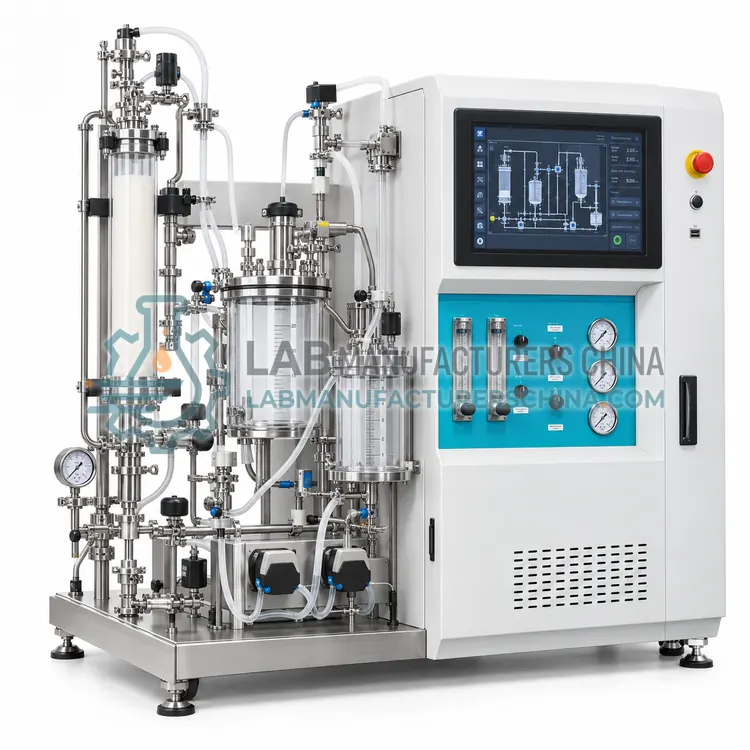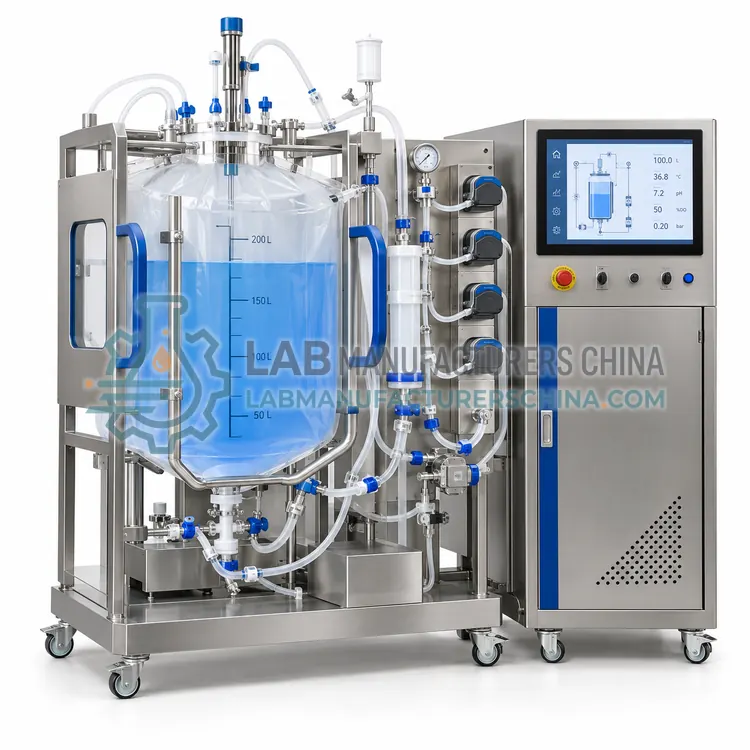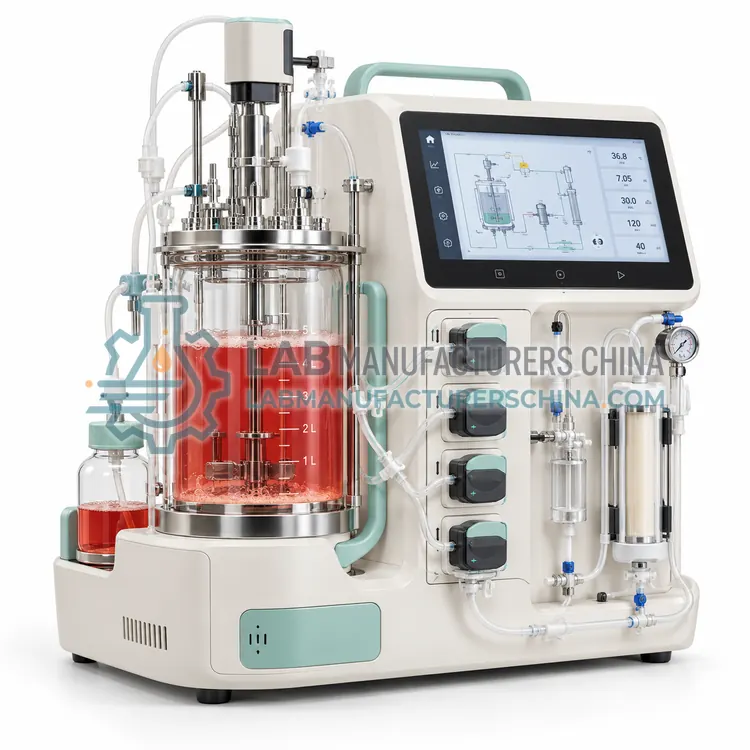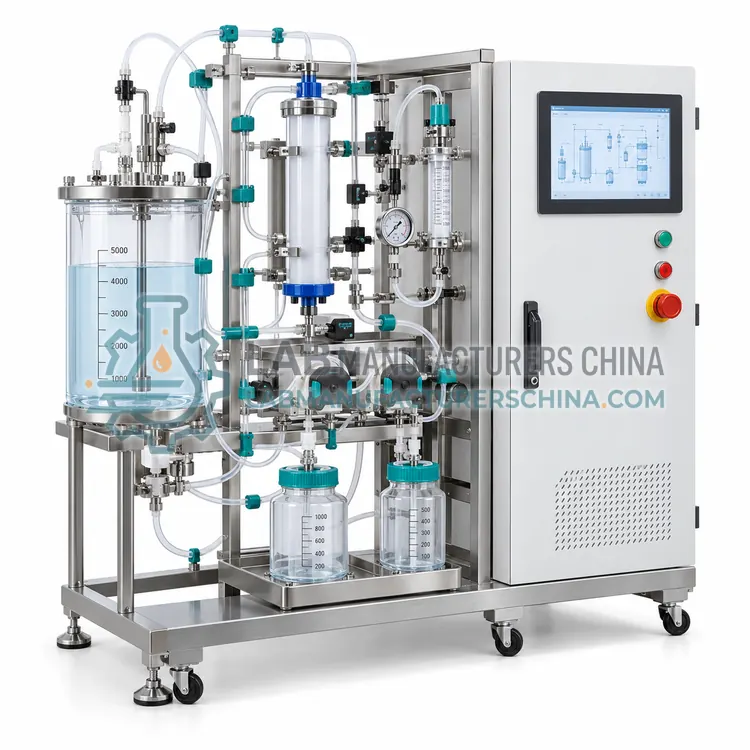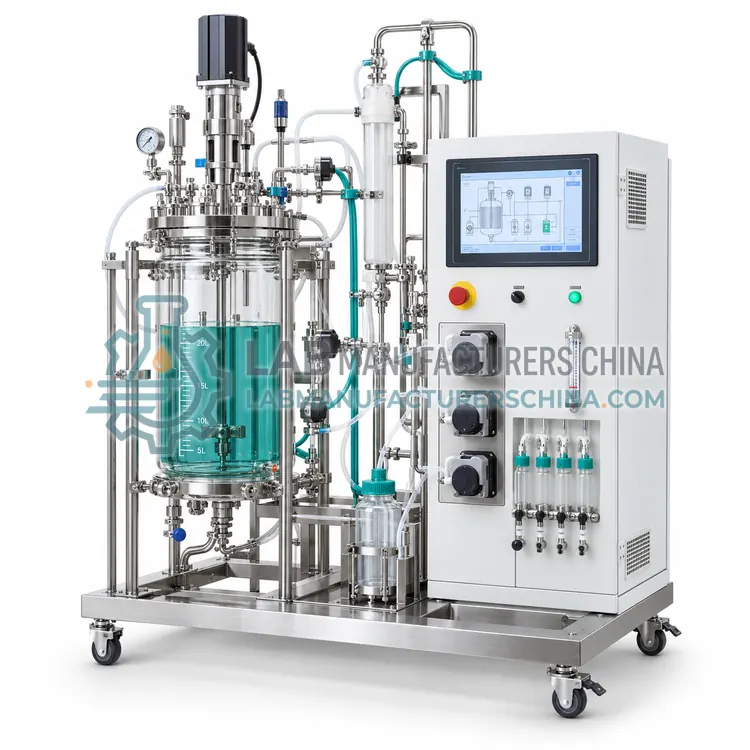
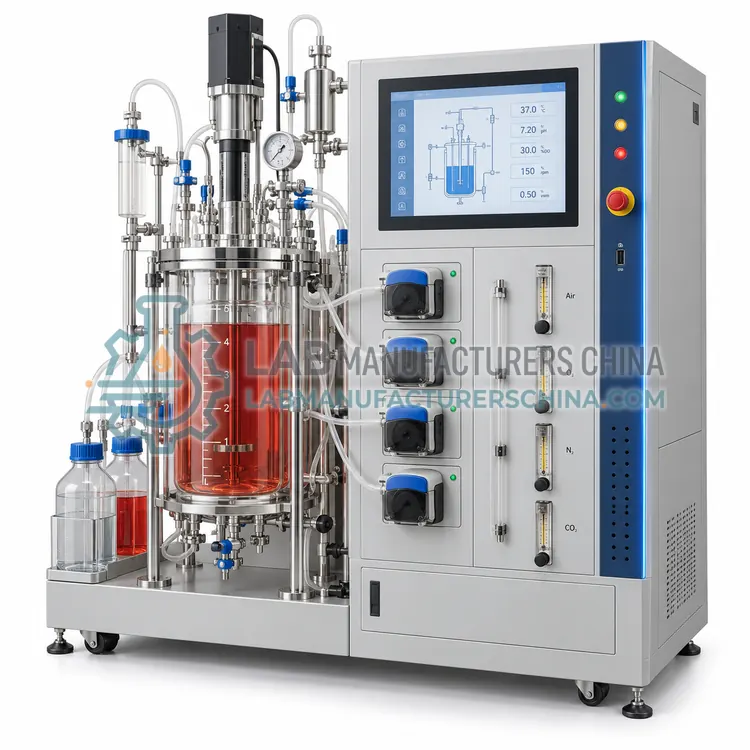
Automated Bioprocess Control System
生物工艺自动化控制系统
- SKU BIS-0005
- Bioprocess Systems
- CE (to be confirmed)
- GAMP 5 documentation (to be confirmed)
- 21 CFR Part 11 compliance (to be confirmed)
Price on request — FOB / CIF quoted per order
Prices depend on configuration, quantity and destination port.
Key specifications
| Control hardware | PLC or DCS with I/O modules |
|---|---|
| Control loops | Up to 32–128 analog loops |
| Communication | Ethernet, OPC UA, Modbus, 4–20 mA |
| Data storage | Historian with configurable retention |
| User management | Role-based access control |
| Compliance features | Audit trail, electronic signature (Part 11) |
Request a quote Download brochure · to be provided
By Lab Manufacturers China Technical TeamLast reviewed Standards: EU GMP Annex 1, EU GMP Annex 11, 21 CFR Part 11
What is the Automated Bioprocess Control System?
An automated bioprocess control system uses software, controllers and instruments to run recipes, hold setpoints and record data across all bioprocess equipment. It provides reproducibility and the electronic records regulated manufacturing needs.
What is the Automated Bioprocess Control System?
An automated bioprocess control system uses software, controllers and instruments to run recipes, hold setpoints and record data across all bioprocess equipment. It provides reproducibility and the electronic records regulated manufacturing needs.
Overview
An automated bioprocess control system centralizes the monitoring and control of vessels, pumps, valves and analyzers. Programmable logic controllers or distributed control hardware execute control loops, while supervisory software applies recipes, schedules steps such as transfer, sampling and cleaning, and presents trends and alarms to operators. Data from sensors, analyzers and balances are collected in a historian that supports batch reporting and investigation. The system enforces sequence interlocks so that a step cannot start before its prerequisites are met, and it manages users, roles, audit trails and electronic signatures when used in regulated manufacturing. Integration with a manufacturing execution system or laboratory information system links batch records. Careful design of alarms, recovery from power loss and controlled change management are important for reliable operation.
How does it work?
A bioprocess system links unit operations into a controlled sequence. Upstream, a vessel or bag holds cells in medium while sensors measure temperature, pH and dissolved oxygen and controllers adjust heating, gas flow, agitation and feed. Cells and product are then separated by centrifugation or filtration, and downstream capture uses affinity or ion-exchange chromatography followed by polishing steps and tangential flow filtration to concentrate and buffer-exchange the product. Pumps, valves and flow meters move liquid between steps, and in-line sensors measure conductivity, pH, ultraviolet absorbance and pressure. Automation software schedules operations, applies recipes and records critical parameters. Materials contacting product are chosen for low extractables, cleanability or single-use operation, and every step is documented for quality and traceability.
What are the key features?
- PLC or distributed control of loops and sequences
- Recipe-driven scheduling of process steps
- Data historian with trends and batch reporting
- Sequence interlocks and alarm management
- User roles, audit trails and electronic signatures
What are the technical specifications?
A typical automated bioprocess control system configuration offers control hardware of PLC or DCS with I/O modules, control loops of Up to 32–128 analog loops, communication of Ethernet, OPC UA, Modbus, 4–20 mA, data storage of Historian with configurable retention, user management of Role-based access control and compliance features of Audit trail, electronic signature (Part 11). Values are indicative of the product class; the exact figures for each configuration are confirmed on the quotation and the calibration documents supplied with the instrument.
Which applications is it used for?
The Automated Bioprocess Control System is used in bioprocess automation and recipe execution, regulated batch record generation, multi-vessel supervisory control and process data trending and investigation. Across the wider Bioprocess Systems class, laboratories also deploy it for biopharmaceutical process development, monoclonal antibody production and vaccine and viral vector manufacturing.
Which standards and certifications apply?
Relevant standards and methods include EU GMP Annex 1, EU GMP Annex 11, 21 CFR Part 11, 21 CFR Part 211, ICH Q7, ICH Q11, USP <1050>, USP <661> and IEC 61010-1. Certification candidates for this model are CE, GAMP 5 documentation and 21 CFR Part 11 compliance; each is to be confirmed for the specific configuration before shipment, and certificates are supplied only where they have been issued.
Qualify the system after installation with documented installation, operational and performance testing, and verify that control and recording functions behave as specified. Calibrate pH, dissolved oxygen, conductivity and pressure sensors on schedule and keep the certificates. Establish clean-in-place and sterilize-in-place procedures and confirm them with rinse water conductivity and biological indicators as appropriate. Manage single-use bag and filter lot changes through change control. Monitor hold times, tubing integrity and pump calibration. For regulated manufacture, confirm that the automation system supports audit trails and access control and that recipes are locked and version controlled. Electrical safety follows IEC 61010-1 and applicable machinery safety standards.
How do I select the right Automated Bioprocess Control System?
Choose an automated control system when you need reproducible recipes, centralized data and regulated records across bioprocess equipment. In an RFQ specify loop count and I/O, protocols, historian capacity, user and audit-trail features, MES or LIMS integration and validation documentation.
How does it compare with other Bioprocess Systems variants?
Define the process flow and scale first, because they determine which unit operations and vessel sizes are needed. Decide between stainless steel and single-use based on product changeover frequency, cleaning validation cost and batch size, and confirm that material compatibility and leachables data suit the product. For upstream systems, specify control loops for temperature, pH, dissolved oxygen and feed, the number of gas and sensor ports, and whether perfusion or high cell density support is required. For downstream systems, match chromatography column size, flow rate and pressure rating, and choose filtration areas from the expected volumetric throughput. Confirm that in-line analytics, the automation recipes and the data historian meet your recording needs, and ask for validation, commissioning and service documentation.
Full specifications
| Control hardware | PLC or DCS with I/O modules |
|---|---|
| Control loops | Up to 32–128 analog loops |
| Communication | Ethernet, OPC UA, Modbus, 4–20 mA |
| Data storage | Historian with configurable retention |
| User management | Role-based access control |
| Compliance features | Audit trail, electronic signature (Part 11) |
| Integration | MES and LIMS interfaces |
| Alarm handling | Prioritized alarms with acknowledgment logging |
| Power supply | 220–240 V with UPS option |
Indicative values for this product class. Final specifications are confirmed on the quotation and in the calibration documents supplied with the instrument.
Applications
- Bioprocess automation and recipe execution
- Regulated batch record generation
- Multi-vessel supervisory control
- Process data trending and investigation
Key features
- PLC or distributed control of loops and sequences
- Recipe-driven scheduling of process steps
- Data historian with trends and batch reporting
- Sequence interlocks and alarm management
- User roles, audit trails and electronic signatures
Frequently asked questions about Automated Bioprocess Control System
A PLC is a compact controller well suited to individual machines and fast logic, while a distributed control system spreads control across networked controllers with centralized engineering and redundancy for large facilities. Many bioprocess systems combine both approaches.
It enforces unique user accounts, role-based permissions, time-stamped audit trails, electronic signatures and locked recipes, so changes and actions can be reviewed as required by 21 CFR Part 11 and EU GMP Annex 11. Records are retained and backed up.
Updates should follow change control, with risk assessment, re-validation or verification of affected functions, and confirmation that the historian, audit trail and interfaces still behave correctly. Operators are retrained where the interface or procedures change.
It cultivates cells, harvests and purifies the product, and controls the process with sensors and software. Bioprocess systems are used to develop and manufacture antibodies, recombinant proteins, vaccines and cell therapies under documented, reproducible conditions.
Upstream processing grows the cells and produces the product in a controlled vessel or bag. Downstream processing harvests, captures and purifies the product through centrifugation, filtration and chromatography to achieve the required purity, concentration and formulation.
Single-use suits multi-product facilities, clinical batches and processes where cleaning validation would be costly or risky. It reduces changeover time and cross-contamination risk, but consumable cost, extractables data, bag volume limits and supply continuity must be assessed.
Related models