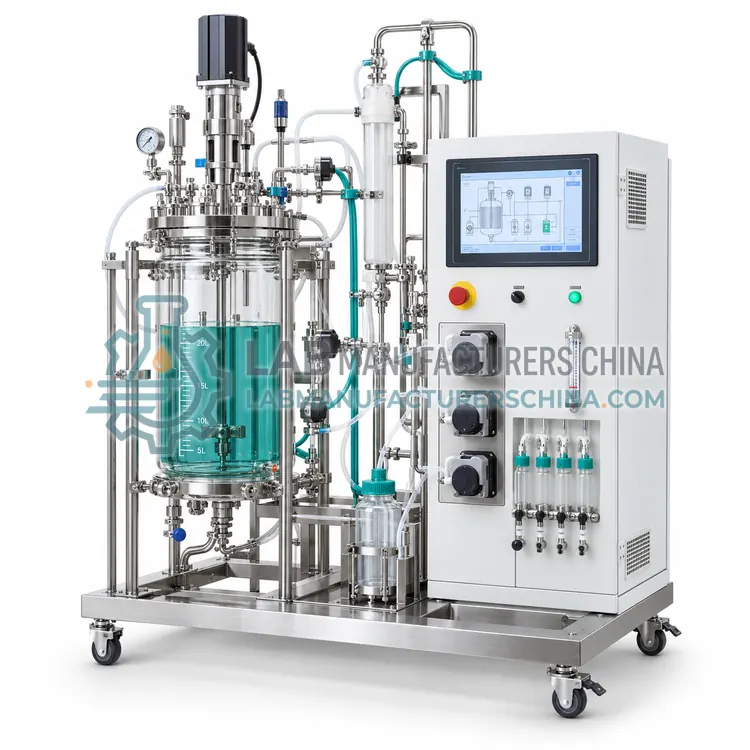
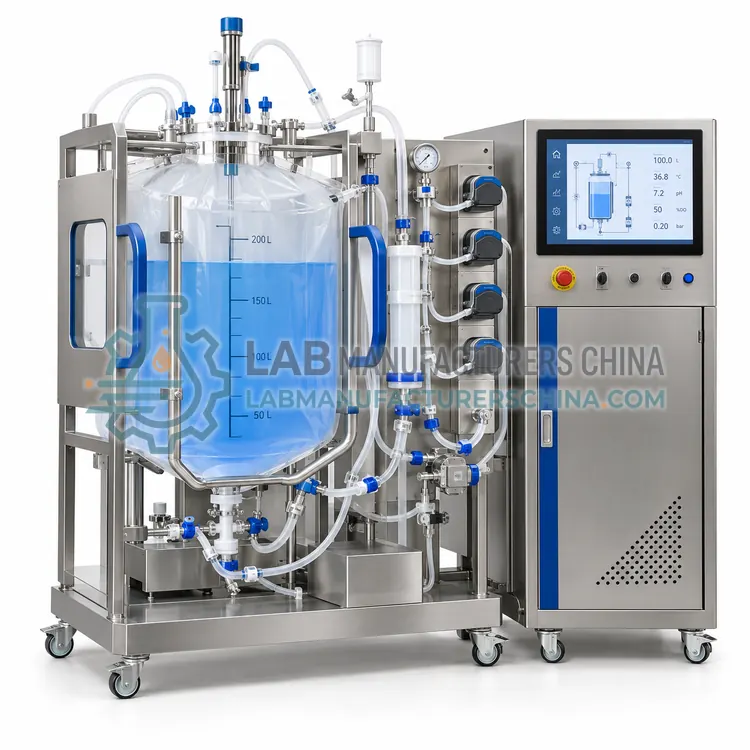
Single-Use Bioprocess System
一次性使用生物工艺系统
- SKU BIS-0003
- Bioprocess Systems
- CE (to be confirmed)
- ISO 9001 manufacturing (to be confirmed)
- ISO 11137 sterilization (to be confirmed)
Price on request — FOB / CIF quoted per order
Prices depend on configuration, quantity and destination port.
Key specifications
| Bag volume | 1–2,000 L |
|---|---|
| Bag material | Multi-layer polyethylene film |
| Sterilization | Gamma irradiation 25–40 kGy |
| Pressure rating | Up to 0.2–0.5 bar (bag dependent) |
| Temperature range | 4–45 °C |
| Connectors | Aseptic, sterile-weldable |
Request a quote Download brochure · to be provided
By Lab Manufacturers China Technical TeamLast reviewed Standards: EU GMP Annex 1, EU GMP Annex 11, 21 CFR Part 11
What is the Single-Use Bioprocess System?
A single-use bioprocess system uses pre-sterilized bags, tubing, filters and connectors instead of a cleaned stainless-steel fluid path. It reduces cleaning validation and changeover time in multi-product facilities that run several products.
What is the Single-Use Bioprocess System?
A single-use bioprocess system uses pre-sterilized bags, tubing, filters and connectors instead of a cleaned stainless-steel fluid path. It reduces cleaning validation and changeover time in multi-product facilities that run several products.
Overview
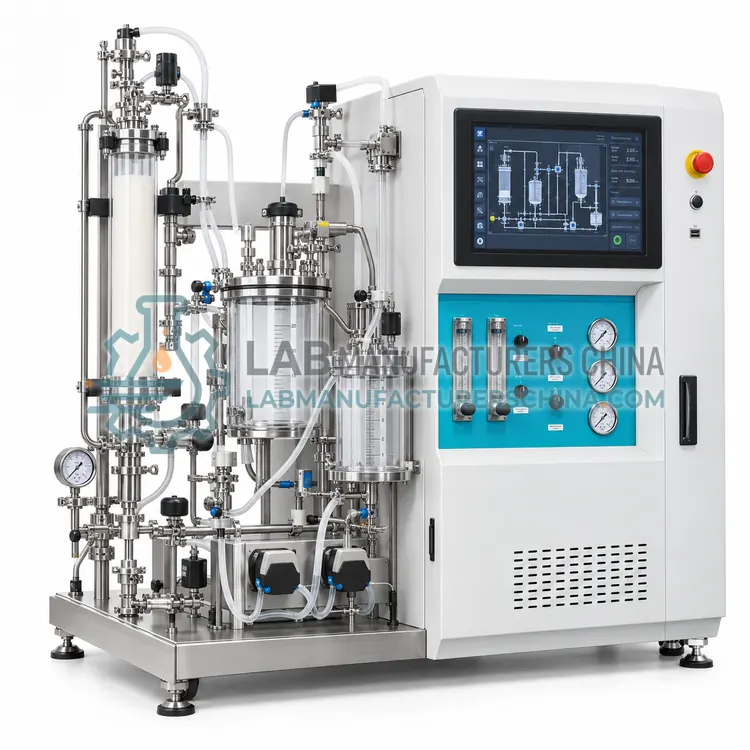
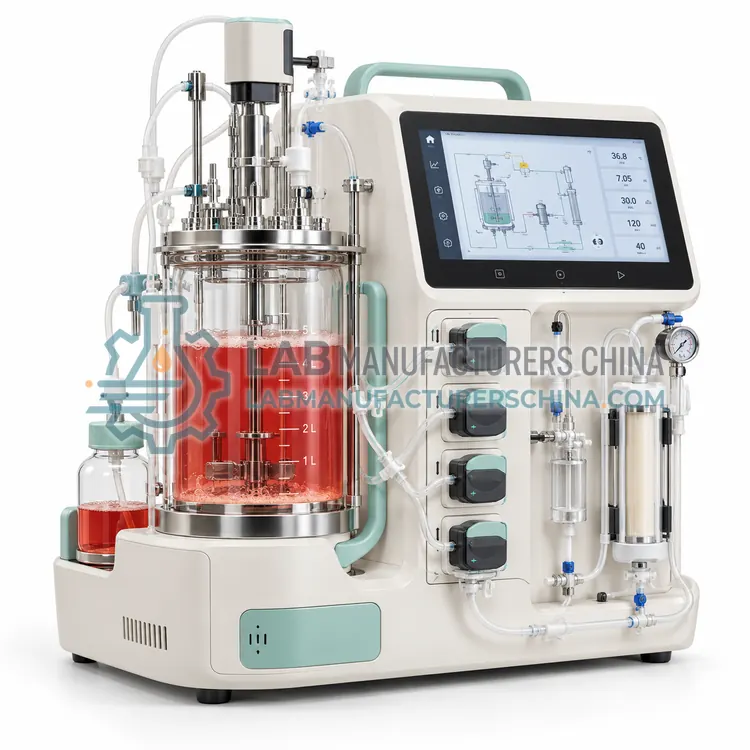
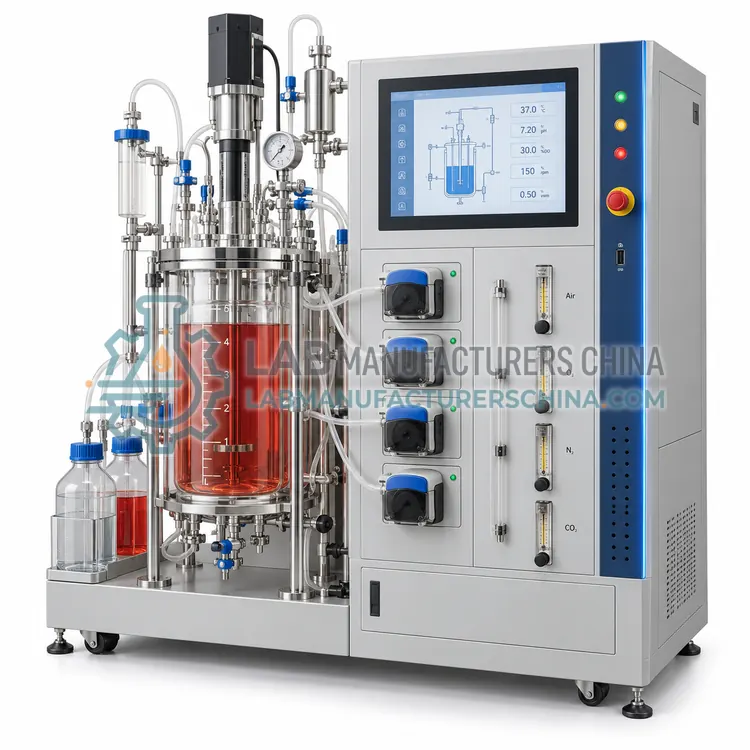
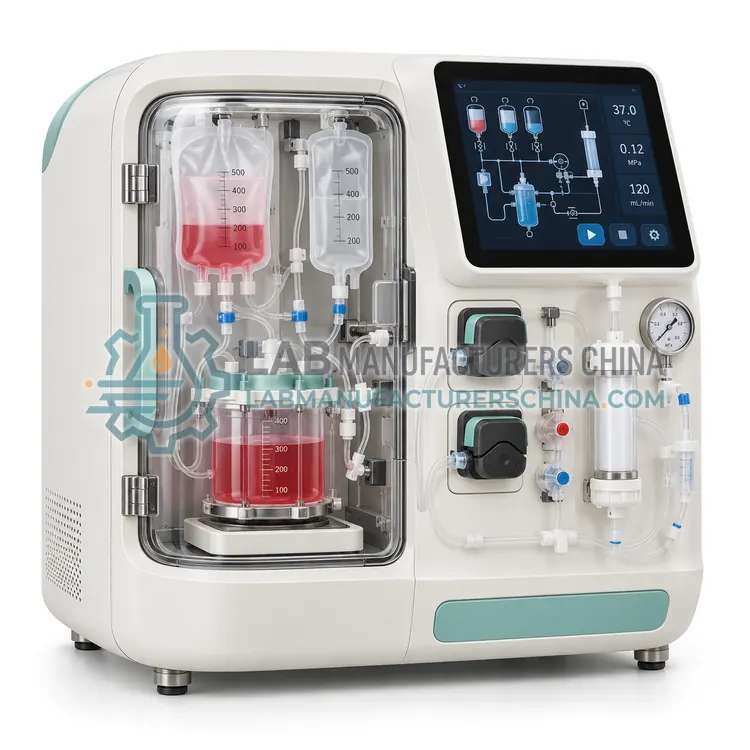
A single-use bioprocess system replaces the product-contact path with gamma-irradiated or otherwise sterilized polymer bags, tubing sets, filters and aseptic connectors. The hardware provides the frame, mixing, temperature control, sensors and pumps, while the bag is discarded after the batch. Upstream, a bag may be stirred or rocked for cell culture; downstream, single-use bags and capsules carry media, buffers and product through filtration and chromatography. Advantages are shorter changeover, no cleaning validation, lower cross-contamination risk and faster facility build-out. Constraints include limited pressure and volume ratings, extractables and leachables that must be characterized, and dependence on supplier quality and supply continuity. Material compatibility with the process fluid, bag integrity testing and aseptic connection technique are central to reliable operation.
How does it work?
A bioprocess system links unit operations into a controlled sequence. Upstream, a vessel or bag holds cells in medium while sensors measure temperature, pH and dissolved oxygen and controllers adjust heating, gas flow, agitation and feed. Cells and product are then separated by centrifugation or filtration, and downstream capture uses affinity or ion-exchange chromatography followed by polishing steps and tangential flow filtration to concentrate and buffer-exchange the product. Pumps, valves and flow meters move liquid between steps, and in-line sensors measure conductivity, pH, ultraviolet absorbance and pressure. Automation software schedules operations, applies recipes and records critical parameters. Materials contacting product are chosen for low extractables, cleanability or single-use operation, and every step is documented for quality and traceability.
What are the key features?
- Pre-sterilized single-use bags, tubing and filters
- Aseptic connectors for closed fluid paths
- No cleaning or cleaning validation of product contact
- Bag integrity testing before and after use
- Hardware frame with mixing, temperature and pump control
What are the technical specifications?
A typical single-use bioprocess system configuration offers bag volume of 1–2,000 L, bag material of Multi-layer polyethylene film, sterilization of Gamma irradiation 25–40 kGy, pressure rating of Up to 0.2–0.5 bar (bag dependent), temperature range of 4–45 °C and connectors of Aseptic, sterile-weldable. Values are indicative of the product class; the exact figures for each configuration are confirmed on the quotation and the calibration documents supplied with the instrument.
Which applications is it used for?
The Single-Use Bioprocess System is used in clinical and multi-product manufacturing, cell culture and fermentation, buffer and media preparation and downstream filtration and transfer. Across the wider Bioprocess Systems class, laboratories also deploy it for biopharmaceutical process development, monoclonal antibody production and vaccine and viral vector manufacturing.
Which standards and certifications apply?
Relevant standards and methods include EU GMP Annex 1, EU GMP Annex 11, 21 CFR Part 11, 21 CFR Part 211, ICH Q7, ICH Q11, USP <1050>, USP <661> and IEC 61010-1. Certification candidates for this model are CE, ISO 9001 manufacturing and ISO 11137 sterilization; each is to be confirmed for the specific configuration before shipment, and certificates are supplied only where they have been issued.
Qualify the system after installation with documented installation, operational and performance testing, and verify that control and recording functions behave as specified. Calibrate pH, dissolved oxygen, conductivity and pressure sensors on schedule and keep the certificates. Establish clean-in-place and sterilize-in-place procedures and confirm them with rinse water conductivity and biological indicators as appropriate. Manage single-use bag and filter lot changes through change control. Monitor hold times, tubing integrity and pump calibration. For regulated manufacture, confirm that the automation system supports audit trails and access control and that recipes are locked and version controlled. Electrical safety follows IEC 61010-1 and applicable machinery safety standards.
How do I select the right Single-Use Bioprocess System?
Choose single-use when changeover, cleaning validation or cross-contamination risk dominates your facility. In an RFQ specify volume and pressure ranges, film and connector types, extractables and leachables data, single-use sensor options, integrity test method and storage and shelf-life requirements.
How does it compare with other Bioprocess Systems variants?
Define the process flow and scale first, because they determine which unit operations and vessel sizes are needed. Decide between stainless steel and single-use based on product changeover frequency, cleaning validation cost and batch size, and confirm that material compatibility and leachables data suit the product. For upstream systems, specify control loops for temperature, pH, dissolved oxygen and feed, the number of gas and sensor ports, and whether perfusion or high cell density support is required. For downstream systems, match chromatography column size, flow rate and pressure rating, and choose filtration areas from the expected volumetric throughput. Confirm that in-line analytics, the automation recipes and the data historian meet your recording needs, and ask for validation, commissioning and service documentation.
Full specifications
| Bag volume | 1–2,000 L |
|---|---|
| Bag material | Multi-layer polyethylene film |
| Sterilization | Gamma irradiation 25–40 kGy |
| Pressure rating | Up to 0.2–0.5 bar (bag dependent) |
| Temperature range | 4–45 °C |
| Connectors | Aseptic, sterile-weldable |
| Sensors | Single-use pH and dissolved oxygen patches |
| Extractables testing | BPOG and USP <661> aligned studies |
| Shelf life | 12–36 months, controlled storage |
Indicative values for this product class. Final specifications are confirmed on the quotation and in the calibration documents supplied with the instrument.
Applications
- Clinical and multi-product manufacturing
- Cell culture and fermentation
- Buffer and media preparation
- Downstream filtration and transfer
Key features
- Pre-sterilized single-use bags, tubing and filters
- Aseptic connectors for closed fluid paths
- No cleaning or cleaning validation of product contact
- Bag integrity testing before and after use
- Hardware frame with mixing, temperature and pump control
Frequently asked questions about Single-Use Bioprocess System
They remove cleaning validation for the product-contact path but introduce other requirements. Laboratories must still qualify the hardware, characterise extractables and leachables, confirm bag integrity, validate the process and manage supplier quality and change notifications.
Extractables are compounds that can be drawn from plastic materials under harsh conditions, and leachables are those that actually appear in the process fluid under normal use. Both are studied under BPOG or USP guidance to show that they do not affect product safety or quality.
Bags are inspected and pressure- or vacuum-tested before use and checked again after draining, following the supplier's method. Physical damage, poor welds and incorrect connections are the common failure routes, so documented inspection and integrity testing are part of the release of each bag.
It cultivates cells, harvests and purifies the product, and controls the process with sensors and software. Bioprocess systems are used to develop and manufacture antibodies, recombinant proteins, vaccines and cell therapies under documented, reproducible conditions.
Upstream processing grows the cells and produces the product in a controlled vessel or bag. Downstream processing harvests, captures and purifies the product through centrifugation, filtration and chromatography to achieve the required purity, concentration and formulation.
Single-use suits multi-product facilities, clinical batches and processes where cleaning validation would be costly or risky. It reduces changeover time and cross-contamination risk, but consumable cost, extractables data, bag volume limits and supply continuity must be assessed.
Related models