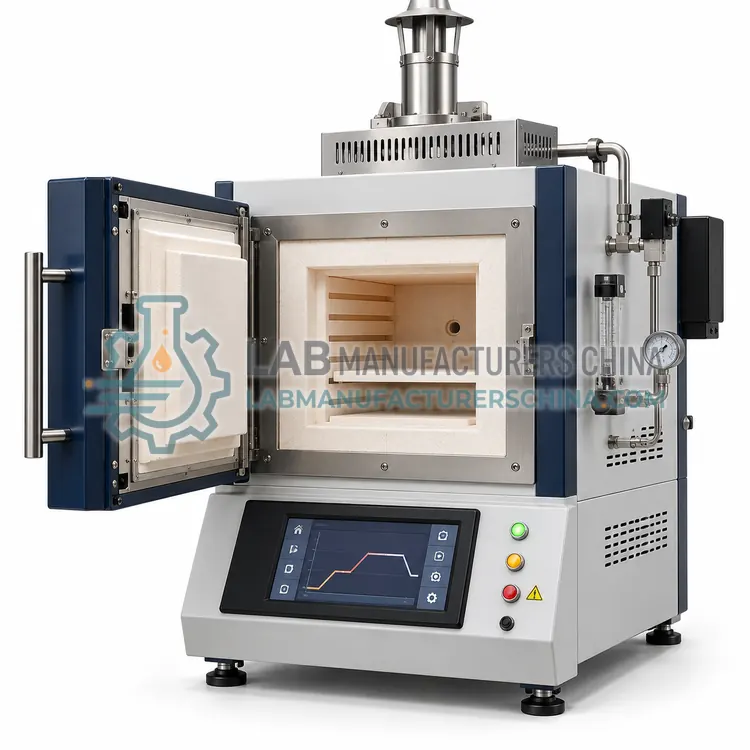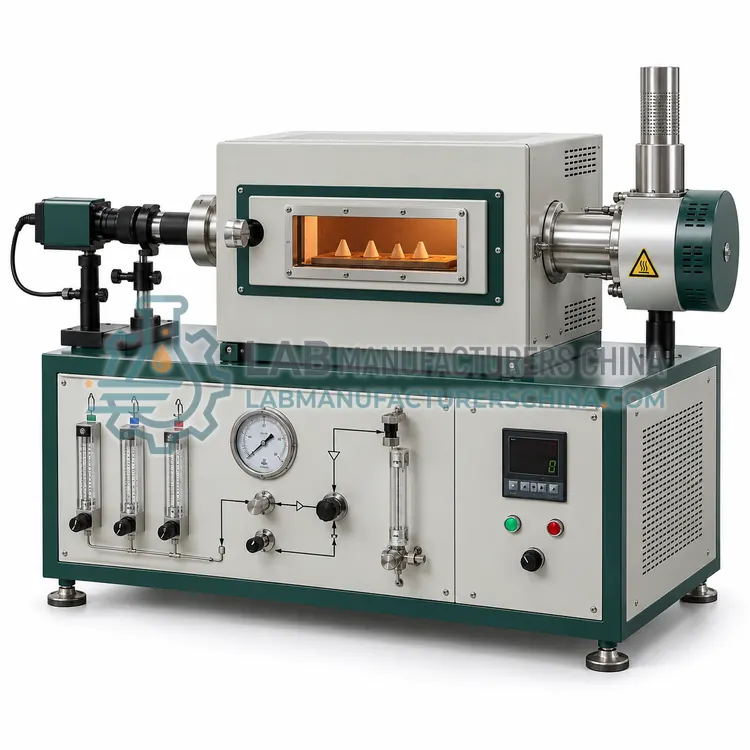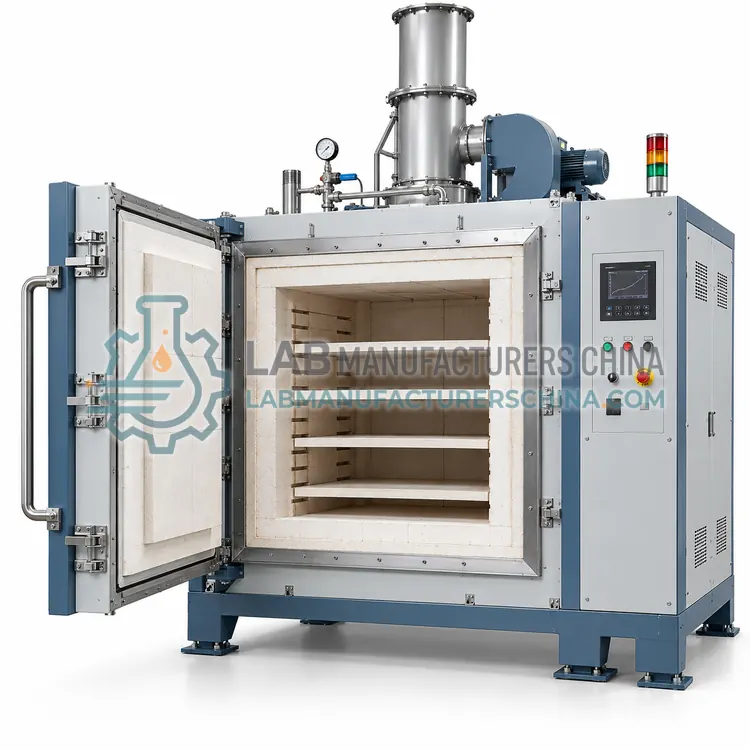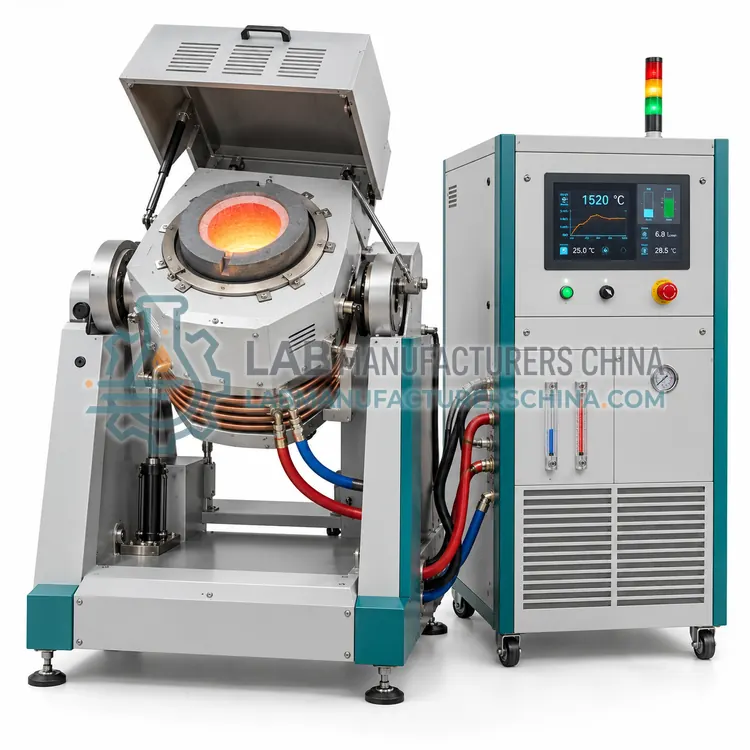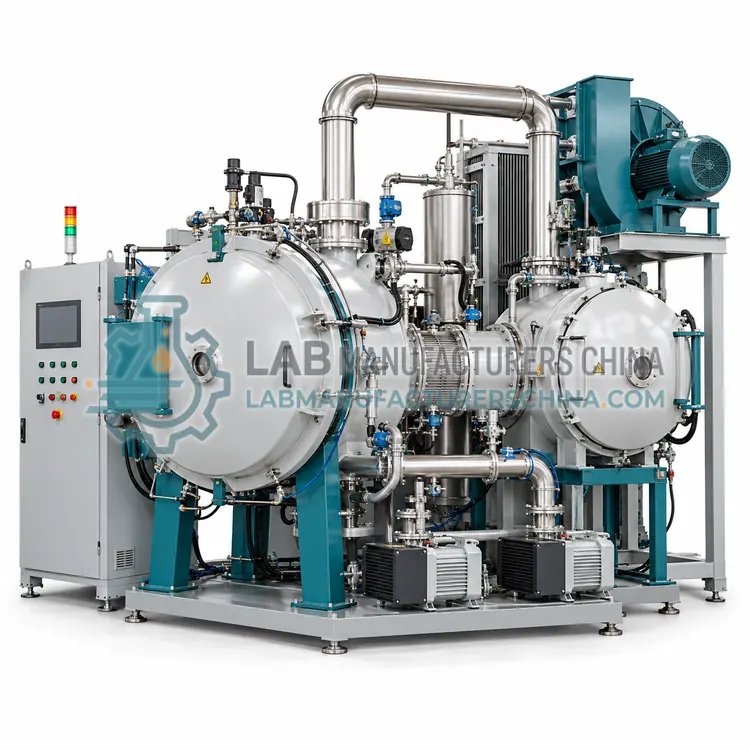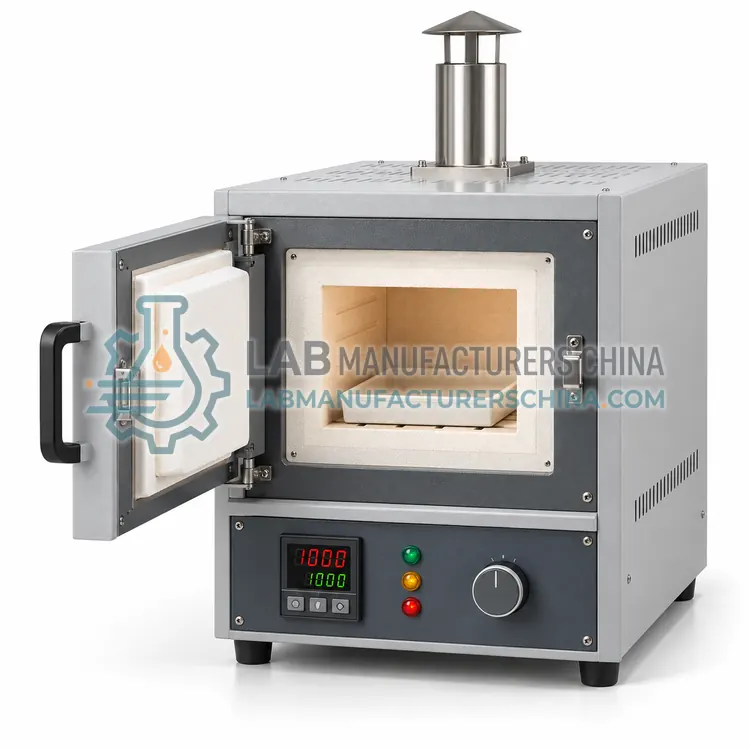
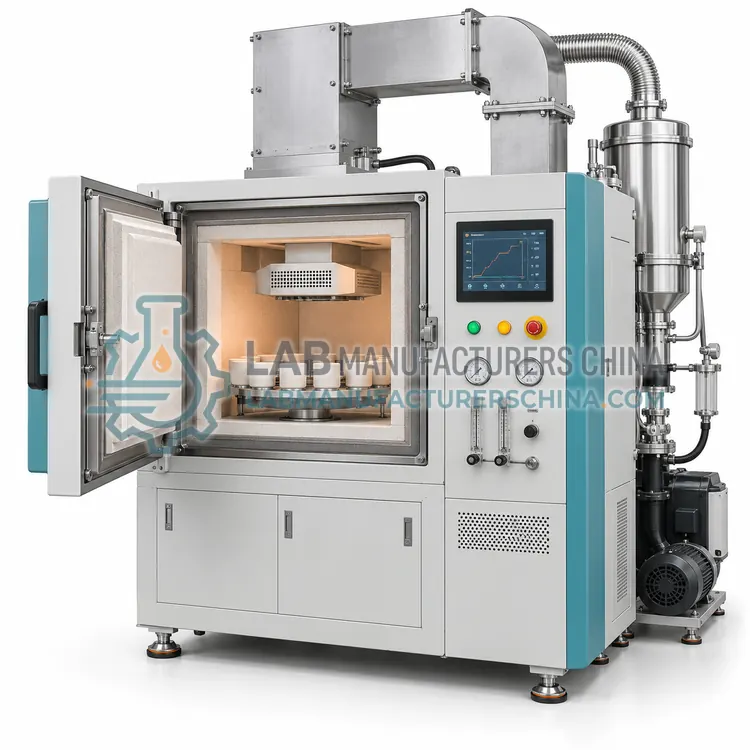
Microwave Ashing Furnace
微波灰化炉
- SKU ASF-0003
- Ashing Furnaces
- CE (to be confirmed)
- ISO 9001 manufacturing (to be confirmed)
- RoHS (to be confirmed)
Price on request — FOB / CIF quoted per order
Prices depend on configuration, quantity and destination port.
Key specifications
| Chamber volume | 1–5 L |
|---|---|
| Temperature range | RT to 1000 C |
| Cycle time | 5–30 min |
| Microwave power | 1–1.5 kW |
| Susceptor material | Silicon carbide |
| Temperature measurement | Shielded thermocouple or optical |
Request a quote Download brochure · to be provided
By Lab Manufacturers China Technical TeamLast reviewed Standards: IEC 61010-1, IEC 61010-2-010, ASTM D3174
What is the Microwave Ashing Furnace?
A microwave ashing furnace uses microwave energy and a susceptor to ash samples in minutes instead of hours. It is chosen for high-throughput ash testing where a conventional furnace is too slow.
What is the Microwave Ashing Furnace?
A microwave ashing furnace uses microwave energy and a susceptor to ash samples in minutes instead of hours. It is chosen for high-throughput ash testing where a conventional furnace is too slow.
Overview
The microwave ashing furnace uses microwave energy absorbed by a susceptor, such as silicon carbide, to reach 500 to 1000 C rapidly inside a microwave-transparent chamber. Samples ash in 5 to 30 minutes instead of the hours a conventional furnace requires, and closed vessels allow acid-assisted or oxygen-enriched ashing for difficult matrices. Temperature is measured by a shielded thermocouple or optical sensor, and a controller follows multi-stage profiles with power and time steps. Because heating is fast and direct, char and ignition stages compress into a short program, and cooling is accelerated by forced air. Batch capacity is smaller than a muffle furnace, but cycle time is far shorter. It suits food, feed, fuel and polymer ash testing where sample counts are high.
How does it work?
An ashing furnace heats a sample in a crucible until organic matter burns away and only mineral residue remains. A programmable controller raises temperature in stages, often with an initial low-temperature char stage to avoid flaming and loss of light ash, followed by a higher ignition stage for complete combustion. Air enters through the door gap or dedicated ports to supply oxygen, while combustion gases exit through a flue or extraction duct. Ceramic fiber or firebrick insulation and resistance or silicon carbide elements give uniform temperature across the hearth, and a type K or N thermocouple with PID control holds the setpoint. After the hold, the furnace cools and the crucible is weighed to constant mass, so reproducibility of temperature and atmosphere directly controls the result.
What are the key features?
- Microwave heating with silicon carbide susceptor
- Cycle times of 5 to 30 minutes
- Closed vessels for acid-assisted or oxygen-enriched ashing
- Shielded thermocouple or optical temperature sensor
- Multi-stage power and time profiles
- Forced-air cooling after ashing
What are the technical specifications?
A typical microwave ashing furnace configuration offers chamber volume of 1–5 L, temperature range of RT to 1000 C, cycle time of 5–30 min, microwave power of 1–1.5 kW, susceptor material of Silicon carbide and temperature measurement of Shielded thermocouple or optical. Values are indicative of the product class; the exact figures for each configuration are confirmed on the quotation and the calibration documents supplied with the instrument.
Which applications is it used for?
The Microwave Ashing Furnace is used in high-throughput food ash testing, feed and grain ash content, polymer and rubber ash, fuel and oil ash testing and difficult matrix ashing. Across the wider Ashing Furnaces class, laboratories also deploy it for food and feed ash content, coal and fuel ash determination and residue on ignition in pharmaceuticals.
Which standards and certifications apply?
Relevant standards and methods include IEC 61010-1, IEC 61010-2-010, ASTM D3174, ASTM D1857, ISO 1171, ISO 540, USP <281> and Ph. Eur. 2.4.14. Certification candidates for this model are CE, ISO 9001 manufacturing and RoHS; each is to be confirmed for the specific configuration before shipment, and certificates are supplied only where they have been issued.
Place the furnace on a heat-resistant surface with clearance and connect a vent or extraction duct, since combustion produces smoke, carbon dioxide and sometimes corrosive vapours. Use only crucibles and trays rated for the temperature and the sample chemistry. Run a low-temperature char stage before the ignition stage to avoid flaming, and never open the door at full temperature. Check and clean the hearth after each batch, since ash and flux residues attack the lining. Calibrate the control thermocouple and verify uniformity periodically, and record every ashing cycle together with crucible weights for traceability.
How do I select the right Microwave Ashing Furnace?
Select the microwave ashing furnace when sample throughput and turnaround matter more than large batch size, and when conventional furnaces are the bottleneck. For very high temperatures or large batches, a muffle furnace is used. In the RFQ, specify sample type and mass, target temperature, vessel type and required cycle time.
How does it compare with other Ashing Furnaces variants?
Choose an ashing furnace when the result is expressed as ash or residue and the ignition atmosphere controls the outcome. Set the maximum temperature from the method, usually 550 C for food and feed ash, 600 to 800 C for residue on ignition, and up to 1000 C for some fuels. Match chamber volume to sample count, and prefer good uniformity and programmable staging, since a slow char stage prevents ash loss. Decide whether a larger chamber, ash fusion capability or microwave heating suits the workload. Verify that the furnace vents combustion gases safely, and confirm power, extraction and calibration options before ordering.
Full specifications
| Chamber volume | 1–5 L |
|---|---|
| Temperature range | RT to 1000 C |
| Cycle time | 5–30 min |
| Microwave power | 1–1.5 kW |
| Susceptor material | Silicon carbide |
| Temperature measurement | Shielded thermocouple or optical |
| Vessel type | Open crucible or closed vessel |
| Samples per batch | 1–12 |
| Cooling | Forced air |
| Power supply | 220 V, 50/60 Hz |
Indicative values for this product class. Final specifications are confirmed on the quotation and in the calibration documents supplied with the instrument.
Applications
- High-throughput food ash testing
- Feed and grain ash content
- Polymer and rubber ash
- Fuel and oil ash testing
- Difficult matrix ashing
Key features
- Microwave heating with silicon carbide susceptor
- Cycle times of 5 to 30 minutes
- Closed vessels for acid-assisted or oxygen-enriched ashing
- Shielded thermocouple or optical temperature sensor
- Multi-stage power and time profiles
- Forced-air cooling after ashing
Frequently asked questions about Microwave Ashing Furnace
A silicon carbide susceptor absorbs microwaves and converts them to heat directly inside the chamber, reaching ashing temperature in minutes without heating a large furnace mass. The sample is small, so both heating and cooling are fast compared with a muffle furnace.
For most matrices they agree when the final temperature and time are matched, but the method should be validated against the conventional procedure. Some refractory or highly absorbing samples behave differently, and closed-vessel conditions can alter the ash.
Typically 0.5 to 5 g per vessel, depending on moisture and organic content, in a chamber that holds one to twelve vessels at a time. Larger samples need longer cycles and may require a staged program to avoid violent combustion.
Ashing burns organic matter to leave a mineral residue for weighing, and ignition is the higher-temperature step that completes combustion. Ashing methods usually specify a low-temperature char stage to prevent flaming, followed by an ignition stage at the final temperature.
Food and feed ash is usually determined at 550 C, residue on ignition at 600 to 800 C, and some fuel ashes at 800 to 1000 C. The method fixes the temperature, and the furnace must hold it uniformly and reproducibly.
Rapid heating makes samples ignite and flame, which can carry light ash particles out of the crucible and bias the result low. A slow, low-temperature char stage drives off volatiles gently, so combustion in the ignition stage is complete without mechanical loss.
Related models