HPLC Autosampler Vial
HPLC 自动进样瓶
- SKU VIA-0001
- Vials
- CE (to be confirmed)
- ISO 9001 manufacturing (to be confirmed)
Price on request — FOB / CIF quoted per order
Prices depend on configuration, quantity and destination port.
Key specifications
| Material | Type I borosilicate glass |
|---|---|
| Volume | 1.5–2 mL |
| Neck | 9, 10 or 11 mm |
| Closure | Screw or crimp |
| Septum | PTFE-faced silicone |
| Glass colour | Clear or amber |
Request a quote Download brochure · to be provided
By Lab Manufacturers China Technical TeamLast reviewed Standards: USP <660> (glass containers), EP 3.2.1 (glass containers for pharmaceutical use), ISO 8362 (injection containers and accessories)
What is the HPLC Autosampler Vial?
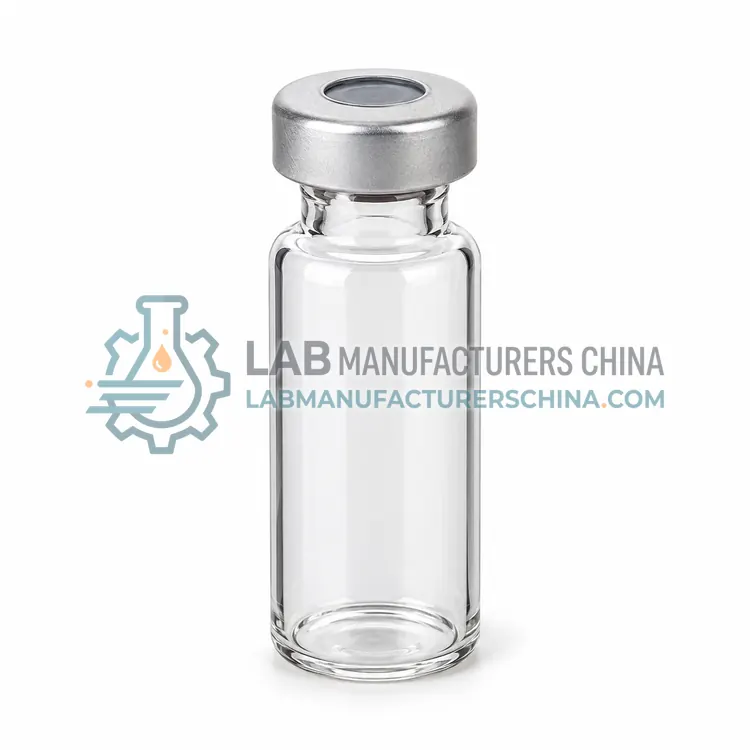
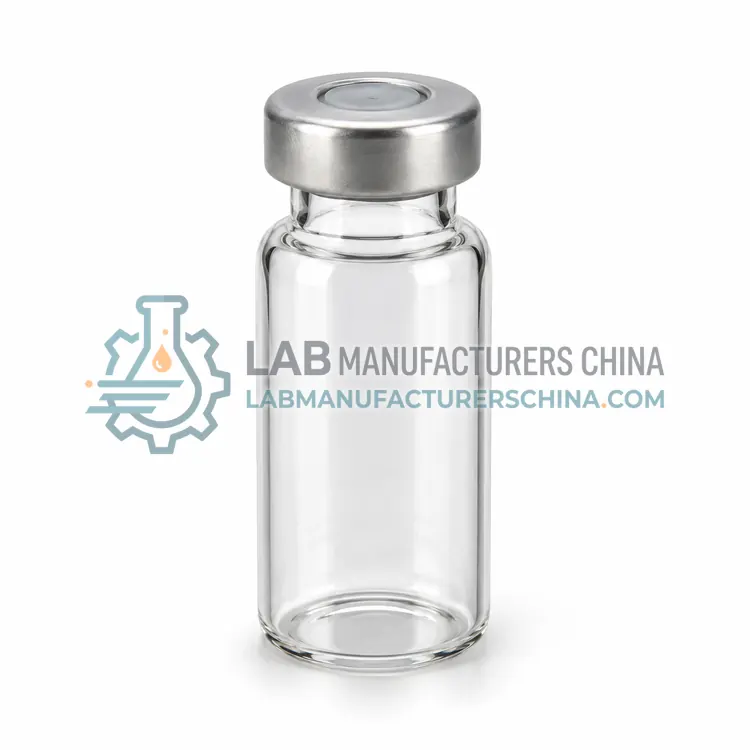
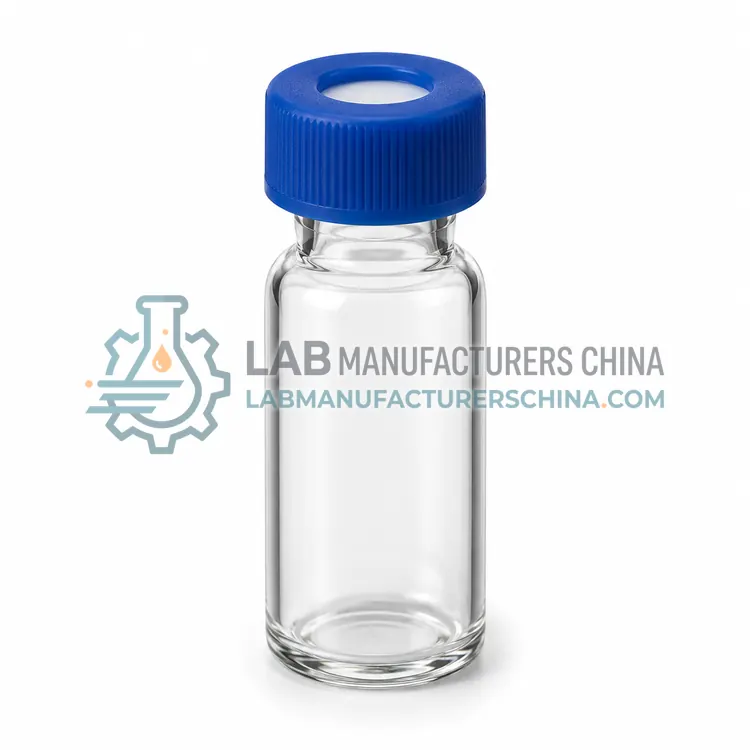
An HPLC autosampler vial is a small glass vial with a septa cap sized for the autosampler tray. It holds samples and standards for injection in liquid chromatography with low dead volume options.
What is the HPLC Autosampler Vial?
An HPLC autosampler vial is a small glass vial with a septa cap sized for the autosampler tray. It holds samples and standards for injection in liquid chromatography with low dead volume options.
Overview
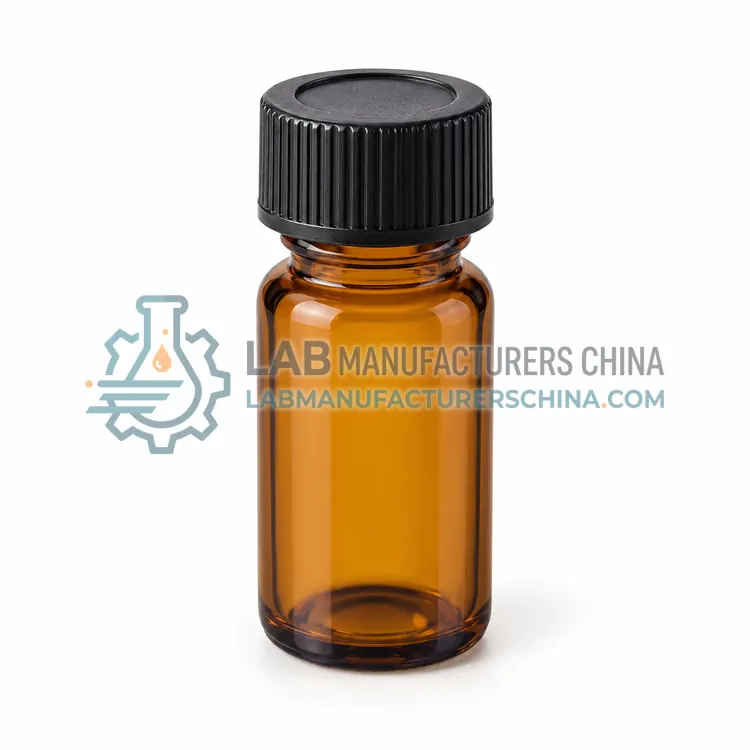
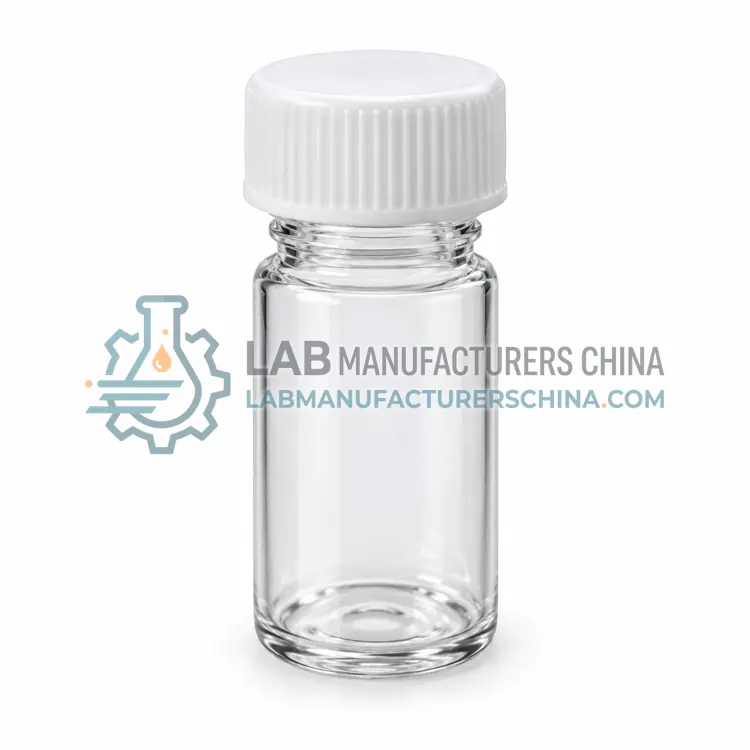
The vial is made from Type I borosilicate glass in 1.5 or 2 mL sizes, with a 9 mm, 10 mm or 11 mm neck and a screw or crimp cap with a PTFE-faced silicone septum. Clear or amber glass is available, and low-adsorption or deactivated versions suit basic and polar analytes. The vial is designed for autosampler trays and magazines, with controlled neck dimensions so the needle enters centrally and the gripper positions it reliably. Residual volume, the dead volume left at the bottom, matters when only a small sample is available, and inserts reduce it further. Vials should be filled to 50–75 % and capped with the correct torque so the septum seals but is not distorted. Inertness and septum quality dominate data quality in trace and low-level methods.
How does it work?
A sample vial holds a small volume of liquid or headspace gas and is pierced by the autosampler needle through a septum. The vial material must not leach into or adsorb from the sample, so glass, usually borosilicate or Type I, is preferred for organic solvents and trace analysis, and polypropylene is used for aqueous and inorganic samples. The septum is the critical part: silicone, PTFE-faced silicone, butyl or natural rubber are chosen for chemical compatibility, resealing ability and pierce count. The cap and crimp or screw thread must hold the septum flat so no leak or evaporation occurs, because even small losses change concentrations over a long run. Surface treatment and low-adsorption glass help with polar or basic analytes, while amber glass protects light-sensitive compounds. Dimensions follow recognised standards so vials fit autosampler trays and magazines reliably.
What are the key features?
- Type I borosilicate glass, 1.5–2 mL
- 9, 10 or 11 mm neck
- Screw or crimp cap with septum
- Clear or amber glass
- Low-adsorption or deactivated option
- Controlled dimensions for autosamplers
What are the technical specifications?
A typical hplc autosampler vial configuration offers material of Type I borosilicate glass, volume of 1.5–2 mL, neck of 9, 10 or 11 mm, closure of Screw or crimp, septum of PTFE-faced silicone and glass colour of Clear or amber. Values are indicative of the product class; the exact figures for each configuration are confirmed on the quotation and the calibration documents supplied with the instrument.
Which applications is it used for?
The HPLC Autosampler Vial is used in HPLC and UHPLC injection, LC-MS sample introduction, standard storage and trace analysis. Across the wider Vials class, laboratories also deploy it for HPLC and UHPLC autosampling, gas chromatography injection and headspace analysis.
Which standards and certifications apply?
Relevant standards and methods include USP <660> (glass containers), EP 3.2.1 (glass containers for pharmaceutical use), ISO 8362 (injection containers and accessories), USP <661> (plastic components and systems), USP <1664> (assessment of drug product leachables) and GHS labelling requirements. Certification candidates for this model are CE and ISO 9001 manufacturing; each is to be confirmed for the specific configuration before shipment, and certificates are supplied only where they have been issued.
Fill vials to the recommended level, usually 50–75 % of the volume, so there is enough headspace for the autosampler and no sample is lost to the septum, and never overfill, because pressure can force liquid out or distort the septum. Use the correct crimp tool and torque, since a loose or over-tightened cap leaks or deforms the septum. Discard vials with damaged septa or distorted caps, and avoid reusing septa, because piercings do not reseal perfectly. Store standards in vials with minimal headspace, seal them well and use amber glass for light-sensitive compounds. Check that vials meet dimensional standards so they do not jam the autosampler, and use only the septa validated for the method, because a different septum can introduce new peaks.
How do I select the right HPLC Autosampler Vial?
Choose vials that match the autosampler and the method, with deactivated glass for basic analytes and amber glass for light-sensitive samples. RFQ: volume, neck size, closure, septum, glass type and autosampler model. Provide volume, closure and autosampler model.
How does it compare with other Vials variants?
Choose the vial to fit the autosampler first, since tray and magazine dimensions are fixed, then choose the closure for the sample and the mobile phase. For reversed-phase HPLC with aqueous and organic mobile phases, a screw-top vial with a PTFE-faced silicone septum is common and convenient. For headspace analysis, use a vial rated for the pressure and temperature of the headspace sampler, with a septum that reseals after each of the several piercings. For GC, crimp-top vials with a low-bleed septum reduce background peaks. Choose amber glass for light-sensitive compounds, and low-adsorption or deactivated glass for basic and polar analytes that bind to active silanol sites. Confirm septum and cap compatibility, volume and any certification for trace metals or leachables, and check that inserts fit the vials and the autosampler needle.
Full specifications
| Material | Type I borosilicate glass |
|---|---|
| Volume | 1.5–2 mL |
| Neck | 9, 10 or 11 mm |
| Closure | Screw or crimp |
| Septum | PTFE-faced silicone |
| Glass colour | Clear or amber |
| Fill level | 50–75 % |
| Surface | Standard or deactivated |
| Insert | Optional |
| Use | LC autosampling |
Indicative values for this product class. Final specifications are confirmed on the quotation and in the calibration documents supplied with the instrument.
Applications
- HPLC and UHPLC injection
- LC-MS sample introduction
- Standard storage
- Trace analysis
Key features
- Type I borosilicate glass, 1.5–2 mL
- 9, 10 or 11 mm neck
- Screw or crimp cap with septum
- Clear or amber glass
- Low-adsorption or deactivated option
- Controlled dimensions for autosamplers
Frequently asked questions about HPLC Autosampler Vial
It is the liquid that remains in the vial and cannot be drawn by the needle, depending on the vial shape and insert. With limited sample, a conical vial or a glass insert reduces dead volume so more sample is available.
Yes. Deactivated or low-adsorption glass reduces binding of basic, polar or metal-coordinating analytes to active silanol sites, improving recovery and reducing peak tailing in the chromatogram.
Screw caps are convenient and reusable, while crimp caps give a more uniform seal and better evaporation resistance, and are often preferred for long runs. Both need the correct capping tool or torque.
The septum seals the vial and is pierced by the needle. A poor septum leaks, evaporates, sheds particles or introduces new peaks into the chromatogram, so septum choice and cap torque directly affect data quality.
For compounds sensitive to light, such as vitamins, dyes and some drugs, because amber glass filters ultraviolet and short-wavelength visible light that would degrade them during storage or a long run.
Usually 50–75 % of the nominal volume, leaving headspace for the autosampler and reducing contact between liquid and septum. Overfilling risks leakage, while too little liquid can cause the needle to miss the sample.
Related models