
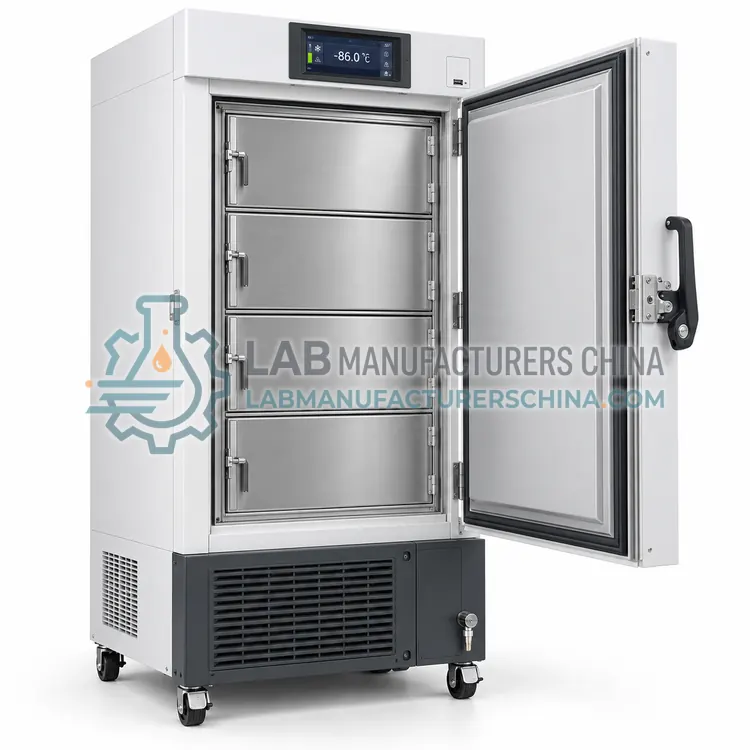
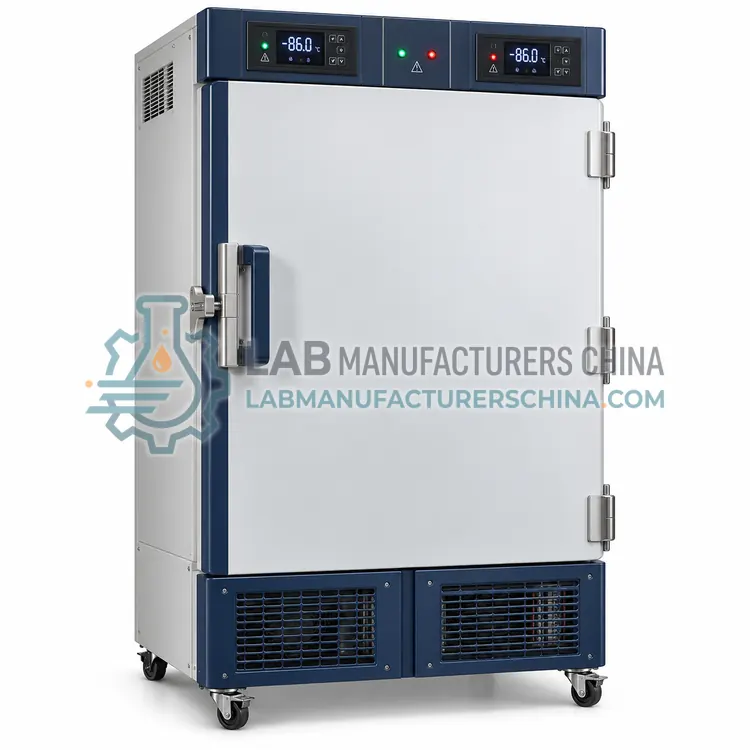
Biobank-Grade Dual-Compressor Redundant -86 °C Freezer
生物样本库级双压缩机冗余 -86 °C 冷冻箱
- SKU ULF-0004
- Ultra-Low Freezers
- CE (to be confirmed)
- ISO 13485 manufacturing (to be confirmed)
- IEC 61010-2-011 test report (to be confirmed)
Price on request — FOB / CIF quoted per order
Prices depend on configuration, quantity and destination port.
Key specifications
| Temperature range | -50 to -86 °C |
|---|---|
| Net capacity | 500-800 L |
| Refrigeration circuits | 2 independent cascade circuits |
| Single-circuit holding temperature | -70 °C or colder at 25 °C ambient |
| Temperature sensors | 2-3 |
| Alarm battery backup | 24 h or longer |
Request a quote Download brochure · to be provided
By Lab Manufacturers China Technical TeamLast reviewed Standards: IEC 61010-2-011, IEC 60335-2-89, ENERGY STAR Laboratory Grade Freezers
What is the Biobank-Grade Dual-Compressor Redundant -86 °C Freezer?
An ultra-low freezer with two independent refrigeration circuits, redundant sensors, battery-backed alarms and backup port. It is designed for biobanks and cell-therapy stores where a single failure must not cause loss of samples.
What is the Biobank-Grade Dual-Compressor Redundant -86 °C Freezer?
An ultra-low freezer with two independent refrigeration circuits, redundant sensors, battery-backed alarms and backup port. It is designed for biobanks and cell-therapy stores where a single failure must not cause loss of samples.
Overview
This variant is configured for critical storage. Two independent cascade circuits, each able to hold at least -70 °C alone, share the cabinet so that one can compensate if the other fails or needs service. Two or three temperature sensors feed separate controller channels and a logger, and the alarm system includes battery backup, remote notification and a dry contact. A backup port lets CO2 or LN2 be connected for emergency cooling. Software supports audit trail and user levels, and calibration certificates are provided. Net capacity is typically 500 to 800 L, and operation follows documented procedures for biobanking under ISO 20387. The redundancy increases purchase price and energy consumption, but it addresses the main risk to irreplaceable collections.
How does it work?
Ultra-low freezers maintain -86 °C by cascade refrigeration or by single-stage mixed-refrigerant circuits. In a cascade, a high-stage compressor and condenser cool the condenser of a low-stage circuit in a heat exchanger, so the low stage evaporates a low-boiling refrigerant, often a hydrocarbon or fluorinated blend, at roughly -100 °C. Vacuum insulation panels combined with polyurethane foam reduce conductive heat gain and allow more interior volume per footprint. Variable-speed or dual-compressor systems adjust capacity to the load, lowering energy use and temperature swings. A controller monitors multiple sensors and drives alarms for temperature, door, power failure and compressor faults. Many models include a backup port for CO2 or LN2, a pressure-equalization valve to release door vacuum, and network outputs for central monitoring.
What are the key features?
- Two independent cascade circuits, each able to hold at least -70 °C alone.
- Two or three sensors feed separate control channels and a logger.
- Battery-backed alarm with remote notification and dry contact output.
- Backup port accepts CO2 or LN2 for emergency cooling.
- Audit trail and user access levels support biobank quality systems.
- Calibration certificate and documentation package included.
What are the technical specifications?
A typical biobank-grade dual-compressor redundant -86 °c freezer configuration offers temperature range of -50 to -86 °C, net capacity of 500-800 L, refrigeration circuits of 2 independent cascade circuits, single-circuit holding temperature of -70 °C or colder at 25 °C ambient, temperature sensors of 2-3 and alarm battery backup of 24 h or longer. Values are indicative of the product class; the exact figures for each configuration are confirmed on the quotation and the calibration documents supplied with the instrument.
Which applications is it used for?
The Biobank-Grade Dual-Compressor Redundant -86 °C Freezer is used in biobanks under ISO 20387, cell therapy material stores, clinical trial central repositories and irreplaceable collections. Across the wider Ultra-Low Freezers class, laboratories also deploy it for biobank long-term archives, vaccine and biologics development and genomics and sequencing sample storage.
Which standards and certifications apply?
Relevant standards and methods include IEC 61010-2-011, IEC 60335-2-89, ENERGY STAR Laboratory Grade Freezers, ASHRAE 72, ISO 20387, ISO 23953 and GB/T 21151. Certification candidates for this model are CE, ISO 13485 manufacturing and IEC 61010-2-011 test report; each is to be confirmed for the specific configuration before shipment, and certificates are supplied only where they have been issued.
Plan the room before delivery. A large ultra-low freezer rejects 1 to 2 kW of heat, so provide ventilation or air conditioning, keep ambient at or below 32 °C and maintain 200 to 300 mm clearance. Use a dedicated circuit, ideally on emergency power, with surge protection. Check that doors and corridors allow the freezer to pass. After placement, let the unit rest for 24 hours, then run empty until stable before loading in stages. Clean filters monthly, inspect gaskets, and calibrate sensors annually. Keep a maintained spare freezer or reserve space, and test alarms and backup systems at least quarterly. Record energy use and temperature trends to detect compressor wear early.
How do I select the right Biobank-Grade Dual-Compressor Redundant -86 °C Freezer?
Select the redundant variant where a single compressor failure would be unacceptable. For ordinary research collections a standard unit plus a spare freezer is often enough. Specify circuit redundancy, sensor count, backup port, alarm duration, audit trail and documents.
How does it compare with other Ultra-Low Freezers variants?
Choose an ultra-low freezer when you need -86 °C capability, high capacity or strong energy performance rather than a basic -80 °C unit. First define capacity in box positions, including 25 percent growth and a reserve equal to one freezer. Compare energy use measured under a standard method, because a large unit can consume 10 to 20 kWh daily and energy cost often exceeds purchase price over its life. Review insulation type, compressor redundancy, noise and heat output, as these affect room cooling. For critical collections look at dual compressors or sensors, backup ports and remote monitoring. Check door and rack design for ease of access and confirm footprint, including stacking options. Verify ambient rating and electrical supply at your site.
Full specifications
| Temperature range | -50 to -86 °C |
|---|---|
| Net capacity | 500-800 L |
| Refrigeration circuits | 2 independent cascade circuits |
| Single-circuit holding temperature | -70 °C or colder at 25 °C ambient |
| Temperature sensors | 2-3 |
| Alarm battery backup | 24 h or longer |
| Backup port | CO2 or LN2 |
| Data interface | USB, Ethernet, RS-485 |
| Ambient rating | 10-32 °C |
| Power consumption | About 14-22 kWh/day |
Indicative values for this product class. Final specifications are confirmed on the quotation and in the calibration documents supplied with the instrument.
Applications
- Biobanks under ISO 20387
- Cell therapy material stores
- Clinical trial central repositories
- Irreplaceable collections
Key features
- Two independent cascade circuits, each able to hold at least -70 °C alone.
- Two or three sensors feed separate control channels and a logger.
- Battery-backed alarm with remote notification and dry contact output.
- Backup port accepts CO2 or LN2 for emergency cooling.
- Audit trail and user access levels support biobank quality systems.
- Calibration certificate and documentation package included.
Frequently asked questions about Biobank-Grade Dual-Compressor Redundant -86 °C Freezer
No. It lowers the risk of a compressor failure, but power loss, fire, controller fault or cabinet damage can still affect the whole unit. A spare freezer or reserve space remains good practice.
Design targets are -70 °C or better at 25 °C ambient with a normal load, but actual performance depends on loading, door openings and room temperature. Confirm the test data from the maker.
Typical documents include calibration certificates, installation and operational qualification records, temperature mapping, alarm test records and maintenance logs, which feed into ISO 20387 quality procedures.
An ultra-low freezer is the high-specification version, reaching -86 °C with larger capacity, better energy performance and more security features. A basic -80 °C freezer holds similar storage temperature with simpler design and lower purchase cost.
Large units typically use 10 to 20 kWh per day, while energy-efficient models with vacuum insulation and variable-speed compressors may use 30 to 50 percent less. Compare values measured under the same standard test.
Some compact models are designed to stack two high with a stacking kit, saving floor space. Check weight, vibration, ventilation and ceiling height, and only stack models approved for it.
Related models
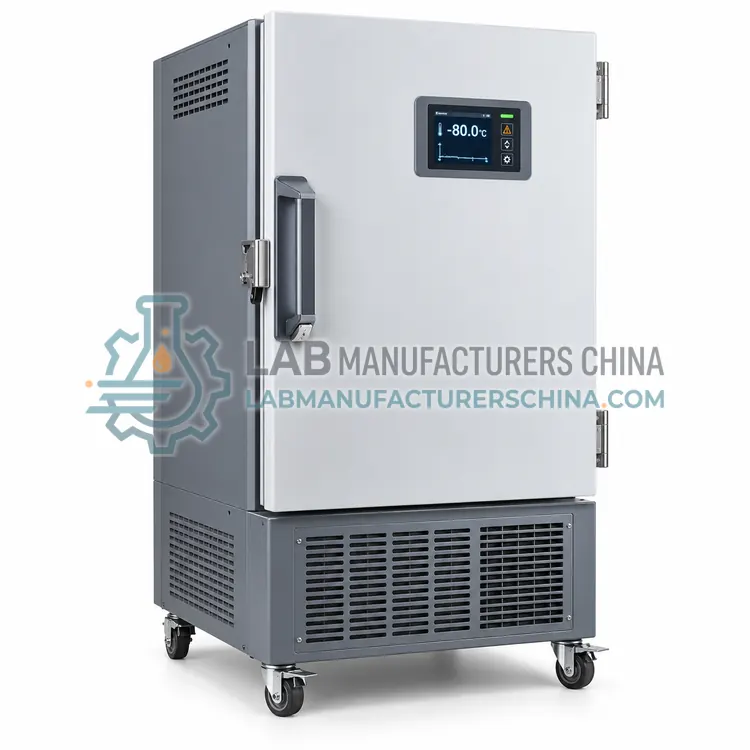
Hydrocarbon-Refrigerant Ultra-Low Freezer with Low Global Warming Potential
低全球变暖潜能值碳氢制冷剂超低温冷冻箱
- CE (to be confirmed)
- +2
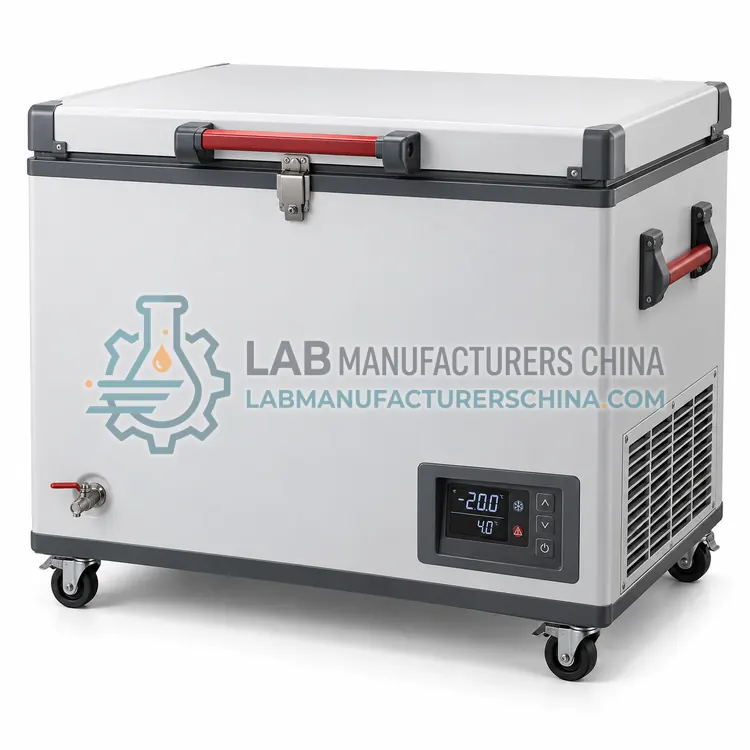
Convertible Chest Freezer-Refrigerator with Selectable Temperature
可切换温度的卧式冷冻冷藏两用箱
- CE (to be confirmed)
- +2
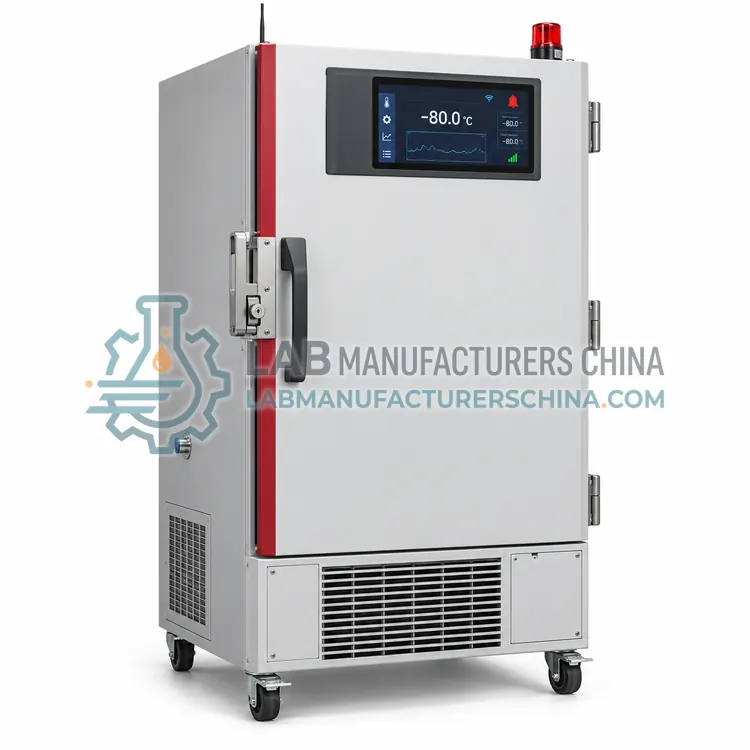
-80 °C Freezer with Automated Monitoring and Remote Alarm
带自动监控和远程报警的 -80 °C 冷冻箱
- CE (to be confirmed)
- +2