Platform Rocking Mixer
平台摇摆混合器
- SKU TMI-0004
- Tube Mixers
- CE (to be confirmed)
- RoHS (to be confirmed)
- ISO 9001 manufacturing (to be confirmed)
Price on request — FOB / CIF quoted per order
Prices depend on configuration, quantity and destination port.
Key specifications
| Rocking speed | 5–60 cycles/min |
|---|---|
| Tilt angle | 5–15° |
| Platform size | 250 × 250 to 400 × 400 mm |
| Maximum load | 2–5 kg |
| Motor type | DC motor with cam drive |
| Timer | 1 min–99 h or continuous |
Request a quote Download brochure · to be provided
By Lab Manufacturers China Technical TeamLast reviewed Standards: IEC 61010-1, IEC 61010-2-051, EN 61326-1
What is the Platform Rocking Mixer?
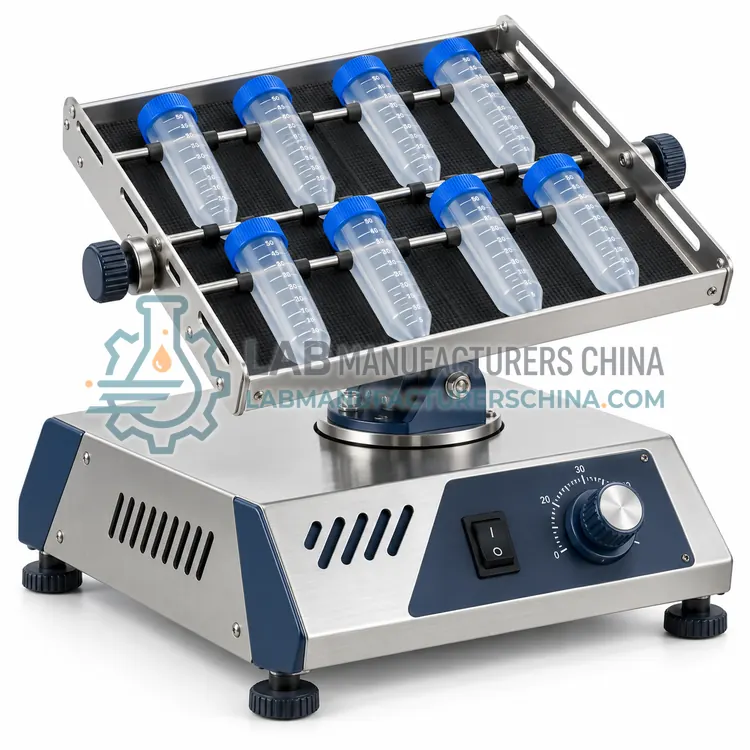
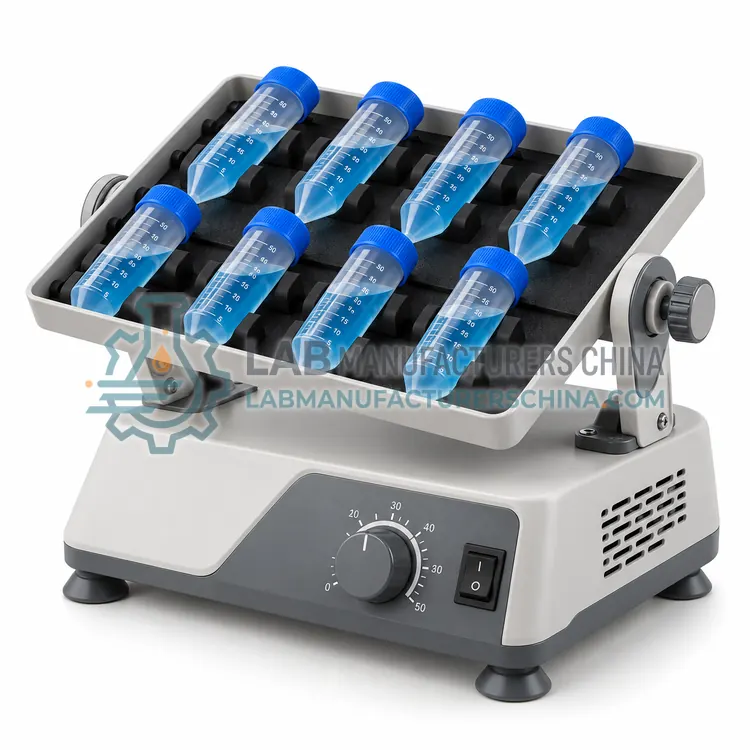
A platform rocking mixer tilts a flat platform up and down around a horizontal axis at low frequency. It is the right choice for washing and staining blots and gels, mixing plates and gently agitating flat vessels or bags.
What is the Platform Rocking Mixer?
A platform rocking mixer tilts a flat platform up and down around a horizontal axis at low frequency. It is the right choice for washing and staining blots and gels, mixing plates and gently agitating flat vessels or bags.
Overview
The platform rocking mixer has a flat tray, typically 250 × 250 mm to 400 × 400 mm, driven by a cam or linkage to tilt through a fixed angle of around 5 to 15 degrees. Speed is adjustable from 5 to 60 cycles per minute, and the tilt angle may be fixed or adjustable. A non-slip rubber mat keeps trays and dishes in place, and raised edges or clamps retain containers. The motion moves liquid back and forth over the surface of a membrane or gel, ensuring even contact with reagents without turbulence. Load capacity is usually 2 to 5 kg. Mixers run quietly and fit on a bench, in a cold room or in an incubator. A timer may be included. The design is very common in Western blotting, gel staining, ELISA plate washing and general gentle agitation.
How does it work?
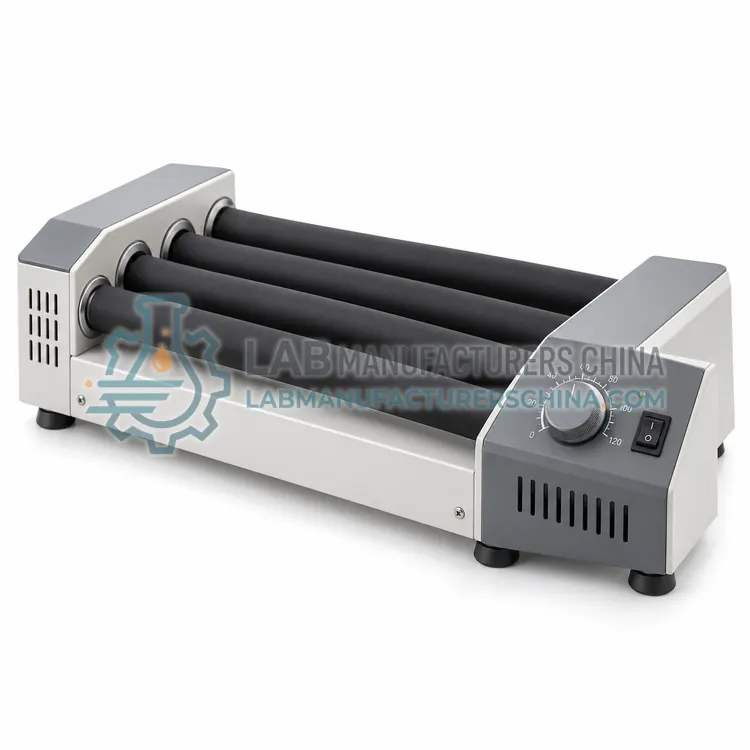
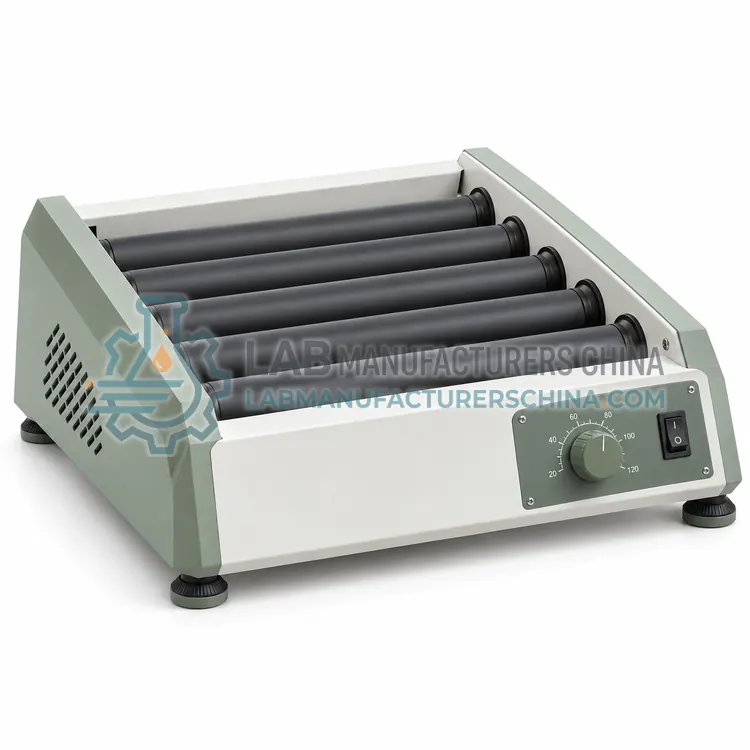
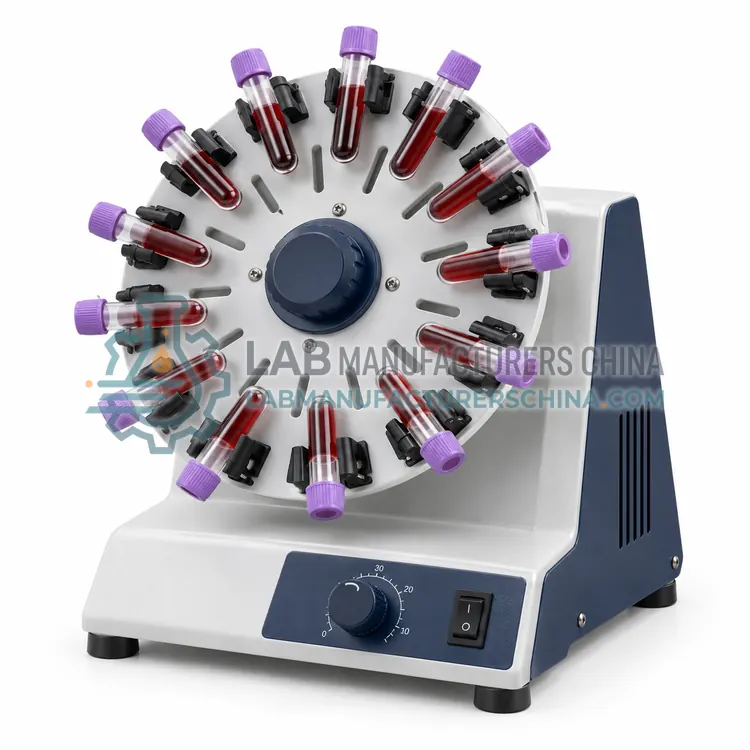
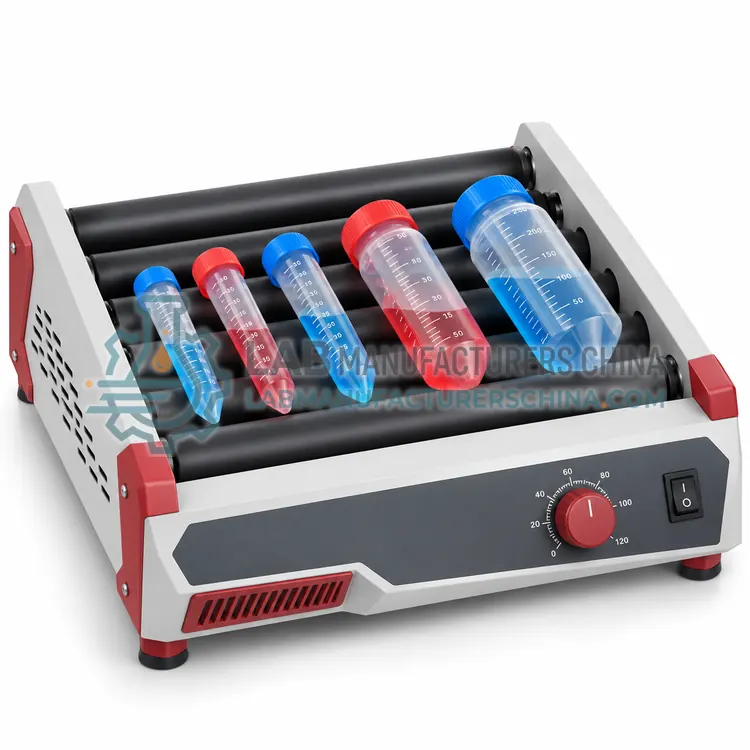
Tube mixers use a motor-driven mechanism to move containers in a slow, repeating pattern. Roller mixers have parallel rollers, typically 4 to 8, that turn tubes or bottles about their own axis so liquid spreads over the inner wall. Rocking mixers have a platform tilted up and down around a horizontal axis, which moves liquid back and forth across the vessel. Seesaw or 3D rockers combine tilt and rotation in a wave-like motion. Reciprocating versions move a tray linearly. Speeds are low, from 5 to 80 cycles or rpm, and tilt angles are around 5 to 20 degrees. Components include a DC or AC gear motor, drive shaft or cam, platform or rollers, a speed controller, a timer, and non-slip mats or holders. Because forces are gentle, the mixers are suited to cells, blood and protein solutions that would be damaged by vortexing.
What are the key features?
- Flat tray of about 250–400 mm size with non-slip mat
- Tilt angle of around 5–15°, fixed or adjustable
- Speed of 5–60 cycles per minute for gentle washing
- Low-noise cam drive suited to cold-room use
- Raised edge or clamps hold dishes, plates and bags
- Load capacity of 2–5 kg for staining trays and plates
What are the technical specifications?
A typical platform rocking mixer configuration offers rocking speed of 5–60 cycles/min, tilt angle of 5–15°, platform size of 250 × 250 to 400 × 400 mm, maximum load of 2–5 kg, motor type of DC motor with cam drive and timer of 1 min–99 h or continuous. Values are indicative of the product class; the exact figures for each configuration are confirmed on the quotation and the calibration documents supplied with the instrument.
Which applications is it used for?
The Platform Rocking Mixer is used in western blot washing and staining, gel staining and destaining, ELISA plate washing, culture dish agitation and bag and pouch mixing. Across the wider Tube Mixers class, laboratories also deploy it for blood tube and sample mixing, cell culture roller bottles and western blot staining and washing.
Which standards and certifications apply?
Relevant standards and methods include IEC 61010-1, IEC 61010-2-051, EN 61326-1, GB 4793.1 and CLSI GP41. Certification candidates for this model are CE, RoHS and ISO 9001 manufacturing; each is to be confirmed for the specific configuration before shipment, and certificates are supplied only where they have been issued.
Place the mixer on a flat, stable surface with enough clearance for the moving platform or rollers. Keep loads within the rated limit and distribute them evenly to protect bearings and gear motors. Use non-slip mats or holders for bottles and tubes, and keep caps tight to prevent leaks into the drive. If operated in incubators, confirm the rating for humidity and temperature and use a remote controller where available. Clean mats and platforms with mild disinfectant and check for cracks. Periodically verify speed with a tachometer and record results if your quality system requires it. Electrical safety should follow IEC 61010-1, and instruments for cell culture should be made from materials that tolerate disinfectants and UV where used.
How do I select the right Platform Rocking Mixer?
Choose a platform rocking mixer for flat vessels such as blot trays, gels and plates where liquid should flow over a surface. For tubes, use a roller or rotator. In the RFQ, specify platform size, tilt angle, speed range, load and any cold-room requirements.
How does it compare with other Tube Mixers variants?
Choose a tube mixer by motion type, container format, speed and load. Roller mixers suit tubes, bottles and cell culture roller bottles, and they provide continuous gentle mixing for viscous or settling samples. Rocking mixers suit flat vessels, gels, blots and staining trays where liquid should wash across a surface. Seesaw or 3D rockers provide a wave motion for blots and multiple plates. Check the maximum load, because large bottles can reach several kilograms. Confirm that speed and tilt angle are adjustable, and that the platform or rollers are compatible with your vessels. For incubator or cold-room use, verify temperature and humidity ratings. Timers, reversible direction and program memory matter if protocols are standardized. Also consider cleanability, noise and whether a removable mat or roller set is needed.
Full specifications
| Rocking speed | 5–60 cycles/min |
|---|---|
| Tilt angle | 5–15° |
| Platform size | 250 × 250 to 400 × 400 mm |
| Maximum load | 2–5 kg |
| Motor type | DC motor with cam drive |
| Timer | 1 min–99 h or continuous |
| Operating temperature | 0–40 °C |
| Humidity tolerance | Up to 80 % RH non-condensing |
| Noise level | < 50 dB(A) |
| Power supply | 100–240 V, 50/60 Hz |
| Weight | 3–6 kg |
Indicative values for this product class. Final specifications are confirmed on the quotation and in the calibration documents supplied with the instrument.
Applications
- Western blot washing and staining
- Gel staining and destaining
- ELISA plate washing
- Culture dish agitation
- Bag and pouch mixing
Key features
- Flat tray of about 250–400 mm size with non-slip mat
- Tilt angle of around 5–15°, fixed or adjustable
- Speed of 5–60 cycles per minute for gentle washing
- Low-noise cam drive suited to cold-room use
- Raised edge or clamps hold dishes, plates and bags
- Load capacity of 2–5 kg for staining trays and plates
Frequently asked questions about Platform Rocking Mixer
A tilt of about 5 to 10 degrees at 20 to 40 cycles per minute is typical for blot washing and staining. Adjust to ensure the liquid covers the membrane without splashing.
Yes, most are designed for cold-room use, with low heat output and sealed controls. Confirm the rated temperature and humidity, and use a remote controller if available.
A rocker tilts in one axis, moving liquid back and forth, while an orbital shaker moves in a circle. Rocking is gentler and better for blots, gels and membranes.
A tube mixer agitates tubes, bottles and other vessels by rolling, rocking or reciprocating motion. It mixes blood, cell cultures, reagents and buffers gently without foaming, and is used in clinical, biological and pharmaceutical laboratories.
A roller mixer rotates tubes or bottles about their own axis on rollers, while a rocker tilts a flat platform back and forth. Rollers suit tubes and bottles, and rockers suit gels, blots and flat dishes.
Most protocols use 10 to 60 rpm or cycles per minute. Cell cultures use lower speeds, while viscous liquids or powders need higher speeds. Follow the assay or vessel manufacturer's instructions.
Related models