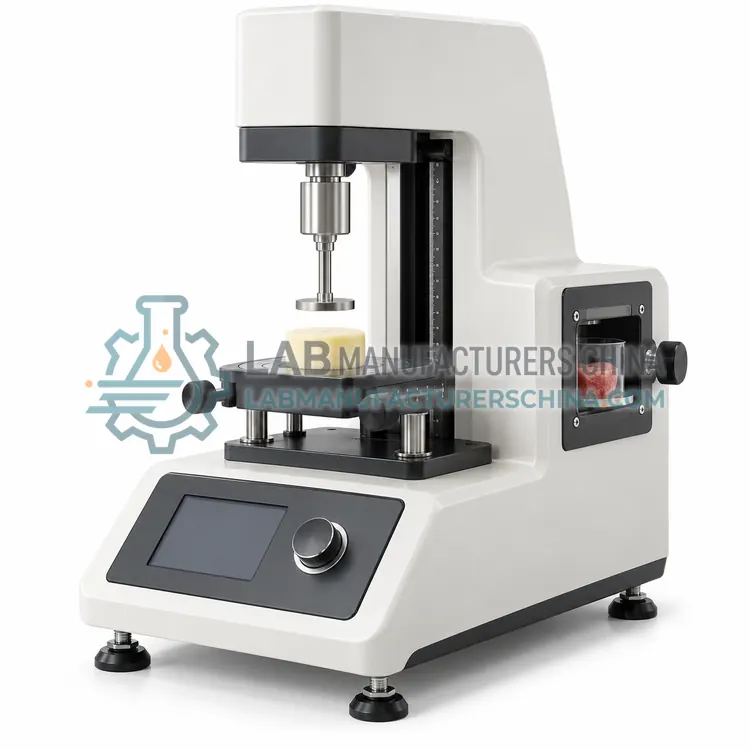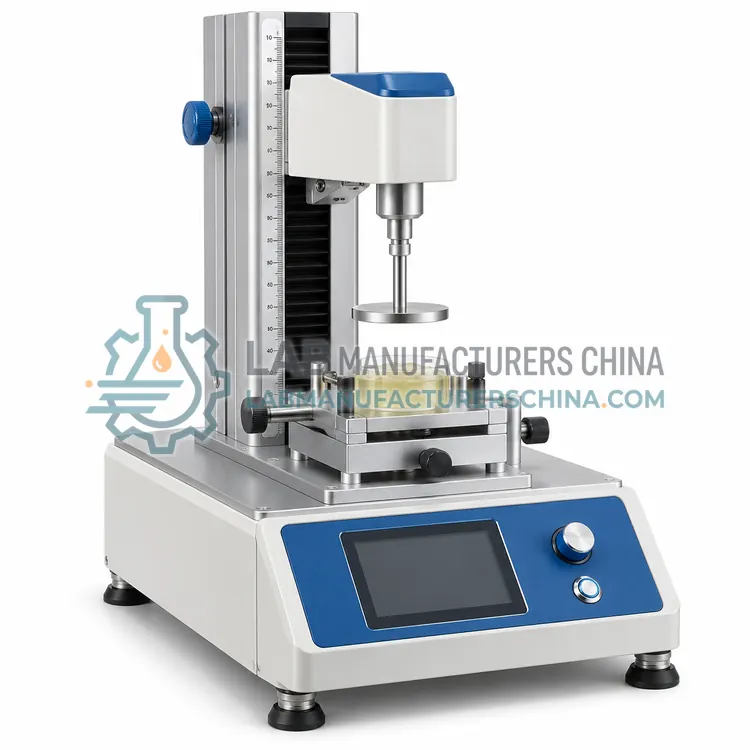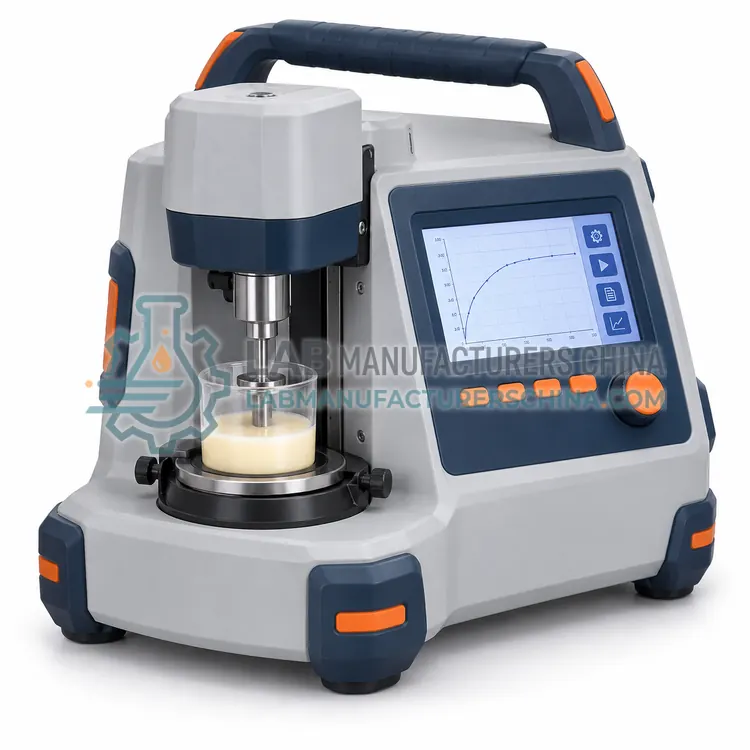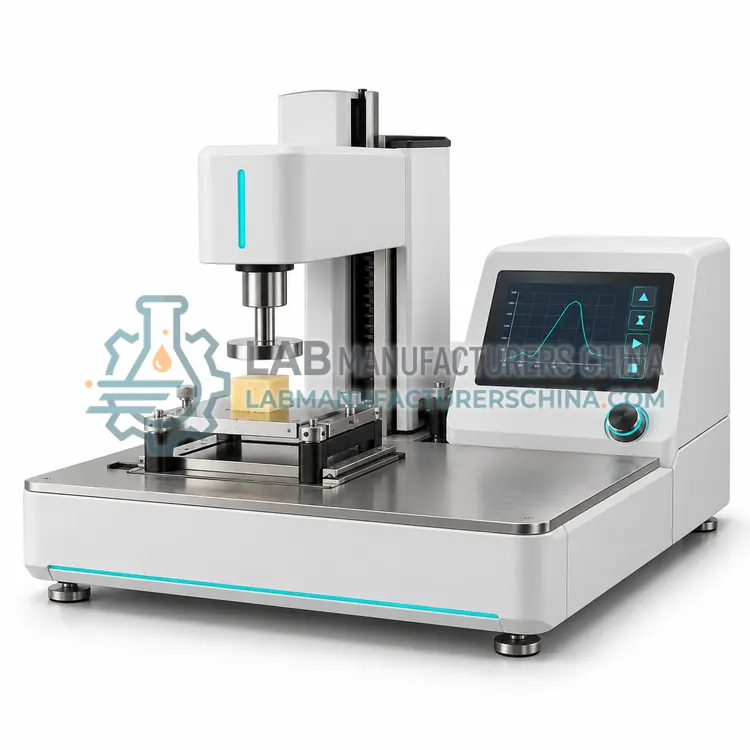
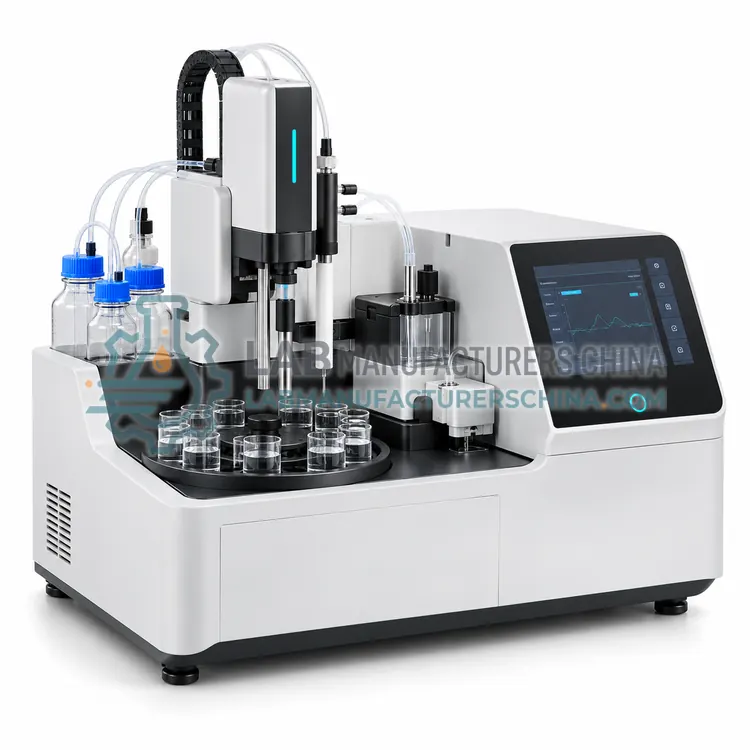
Dough Mixing and Extensibility Analyzer
面团搅拌与拉伸分析仪
- SKU TEA-0004
- Texture Analysis
- CE (to be confirmed)
- ISO 9001 manufacturing (to be confirmed)
Price on request — FOB / CIF quoted per order
Prices depend on configuration, quantity and destination port.
Key specifications
| Measurement modes | Mixing torque and extension resistance |
|---|---|
| Bowl capacity | 300 g flour, standard |
| Torque range | 0–20 Nm |
| Test speed (mixing) | 63 rpm standard |
| Extension speed | 14.5 mm/s standard |
| Rest period | 45 min at 30 °C, adjustable |
Request a quote Download brochure · to be provided
By Lab Manufacturers China Technical TeamLast reviewed Standards: ISO 11036, ISO 5530-1, ISO 5530-4
What is the Dough Mixing and Extensibility Analyzer?
A dough mixing and extensibility analyzer records the torque and resistance of flour-water dough during mixing and stretching. It characterises gluten strength and processing behaviour for bread, noodle, biscuit and pastry production.
What is the Dough Mixing and Extensibility Analyzer?
A dough mixing and extensibility analyzer records the torque and resistance of flour-water dough during mixing and stretching. It characterises gluten strength and processing behaviour for bread, noodle, biscuit and pastry production.
Overview
Mixing instruments with a sigma-arm or pin mixer record the torque curve as flour and water develop into dough, giving water absorption, development time, stability and softening. Extensibility rigs clamp a standard strip of rested dough, stretch it at constant speed and record the force-extension curve, from which resistance to extension and extensibility are read. Results depend on flour protein content and quality, and they correlate with processing behaviour such as shearing during baking, moulding, sheeting and laminating. Water absorption values from these tests are often used directly to set production recipes. Most laboratories follow standard procedures for flour testing so that results are comparable between suppliers, mills and product lines.
How does it work?
Texture instruments apply a controlled deformation to a sample and record the force and displacement over time. A load cell measures force while a moving arm compresses, penetrates, cuts, extrudes or pulls the sample, producing a curve whose features correspond to sensory attributes. Texture profile analysis uses two compression cycles to derive hardness, springiness, cohesiveness, chewiness and resilience. Penetration tests use a cone or cylinder probe to gauge firmness of gels, fruit and cheese. Dough instruments record the resistance of flour-water dough to mixing or stretching, which reflects gluten quality and processing behaviour. Rotational rheometers measure viscosity and viscoelastic moduli under controlled shear, giving fundamental data for liquids, pastes and batters.
What are the key features?
- Mixing bowl with torque recording for water absorption and stability
- Constant-speed extensibility rig with standard dough strips
- Programmable rest and test timing
- Temperature-controlled bowl jacket for reproducible results
- Curve analysis for development time and softening
- Data export for recipe and specification records
What are the technical specifications?
A typical dough mixing and extensibility analyzer configuration offers measurement modes of Mixing torque and extension resistance, bowl capacity of 300 g flour, standard, torque range of 0–20 Nm, test speed (mixing) of 63 rpm standard, extension speed of 14.5 mm/s standard and rest period of 45 min at 30 °C, adjustable. Values are indicative of the product class; the exact figures for each configuration are confirmed on the quotation and the calibration documents supplied with the instrument.
Which applications is it used for?
The Dough Mixing and Extensibility Analyzer is used in flour specification and supplier approval, bread, noodle and pastry recipe optimisation, gluten strength evaluation for blending and process troubleshooting and consistency control. Across the wider Texture Analysis class, laboratories also deploy it for benchmarking texture against reference products, batch consistency control of baked and dairy goods and gel and dessert firmness specification.
Which standards and certifications apply?
Relevant standards and methods include ISO 11036, ISO 5530-1, ISO 5530-4, ISO 5492, AACC International Method 54-21 and ISO/IEC 17025. Certification candidates for this model are CE and ISO 9001 manufacturing; each is to be confirmed for the specific configuration before shipment, and certificates are supplied only where they have been issued.
Results depend strongly on sample preparation, so thickness, temperature and orientation must be controlled and documented. Probe selection, test speed and trigger force must be consistent, because small changes alter the measured values. Load cells need periodic calibration with traceable masses, and fixtures should be inspected for wear. Gel and dough methods follow standard procedures, including defined rest times and hydration, and deviations invalidate comparison with reference data. Keep control samples and historical curves to detect drift, and confirm that software records file names, parameters and operator identity for traceability.
How do I select the right Dough Mixing and Extensibility Analyzer?
Select a dough analyzer when flour quality or dough processing behaviour must be specified objectively and correlated with production performance. Confirm that the mixing bowl size, torque range and extension speed match the standard method you follow, and check whether the instrument reports water absorption in the units your bakery recipes use.
How does it compare with other Texture Analysis variants?
Start from the attribute you must control and the form of the sample. A texture profile analyser with interchangeable probes and a programmable arm covers most solid and semi-solid products and is the most versatile choice. Penetrometers are simpler and cheaper for routine firmness checks on fruit, cheese and gels. Gel strength testers are dedicated to standardised gel tests, where compliant fixtures and procedures matter. Dough testing instruments are specific to flour quality and bread, noodle or biscuit production. Rotational rheometers are needed when fundamental viscosity or viscoelastic data support development, process design or shelf-life modelling. Always confirm probe availability and validated test procedures for your product.
Full specifications
| Measurement modes | Mixing torque and extension resistance |
|---|---|
| Bowl capacity | 300 g flour, standard |
| Torque range | 0–20 Nm |
| Test speed (mixing) | 63 rpm standard |
| Extension speed | 14.5 mm/s standard |
| Rest period | 45 min at 30 °C, adjustable |
| Temperature control | 30 ± 0.2 °C water jacket |
| Force range (extension) | 0–1000 mN |
| Data storage | 1000+ test curves |
| Software | Curve evaluation and report export |
Indicative values for this product class. Final specifications are confirmed on the quotation and in the calibration documents supplied with the instrument.
Applications
- Flour specification and supplier approval
- Bread, noodle and pastry recipe optimisation
- Gluten strength evaluation for blending
- Process troubleshooting and consistency control
Key features
- Mixing bowl with torque recording for water absorption and stability
- Constant-speed extensibility rig with standard dough strips
- Programmable rest and test timing
- Temperature-controlled bowl jacket for reproducible results
- Curve analysis for development time and softening
- Data export for recipe and specification records
Frequently asked questions about Dough Mixing and Extensibility Analyzer
The curve shows how torque rises as gluten develops, peaks at optimum development, and then falls with over-mixing. From it, water absorption, development time, stability and softening degree are read, which predict how the flour will behave in production.
Water absorption determines dough yield, handling properties and final texture, and it is the basis for setting recipe water additions. It varies with protein content, damaged starch and flour age, so it should be measured rather than assumed per flour type.
The force-extension curve indicates whether dough resists stretching or extends easily, which predicts sheeting, moulding and proofing behaviour. Balanced resistance and extensibility generally give better gas retention and shape in bread and laminated products.
Texture profile analysis compresses a sample twice in a single test and analyses the force-time curve. From the two cycles it derives hardness, springiness, cohesiveness, chewiness and resilience, which correspond to sensory attributes perceived when the food is eaten.
Force depends on the dimensions, temperature and orientation of the sample, so a difference of a millimetre or a few degrees changes the result. Standardised cutting, conditioning and positioning are needed for reproducible and comparable measurements.
A penetrometer with a defined cylindrical or conical probe measures the force needed to push into the flesh, and handheld or bench versions exist. Magness-Taylor type probes are widely used for apples, pears and stone fruit.