
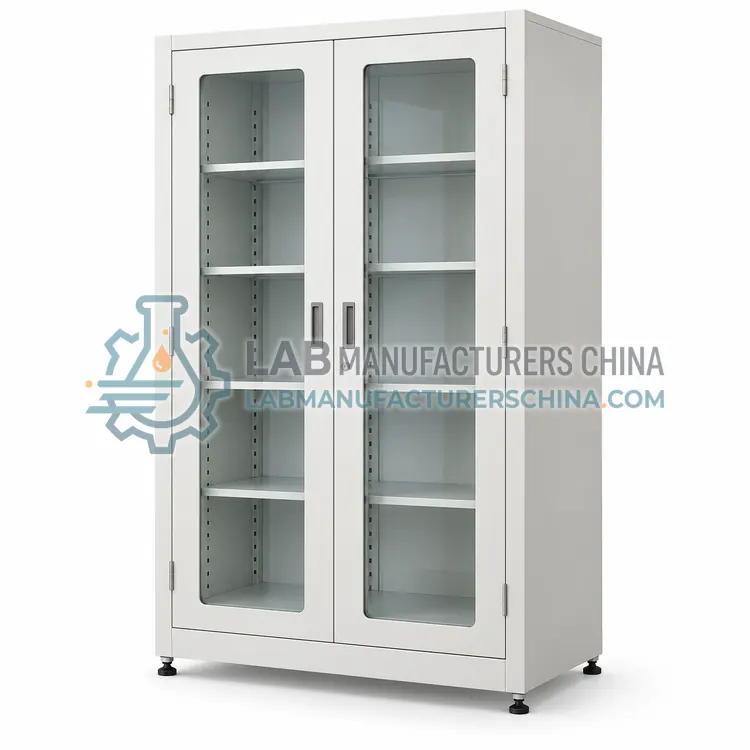
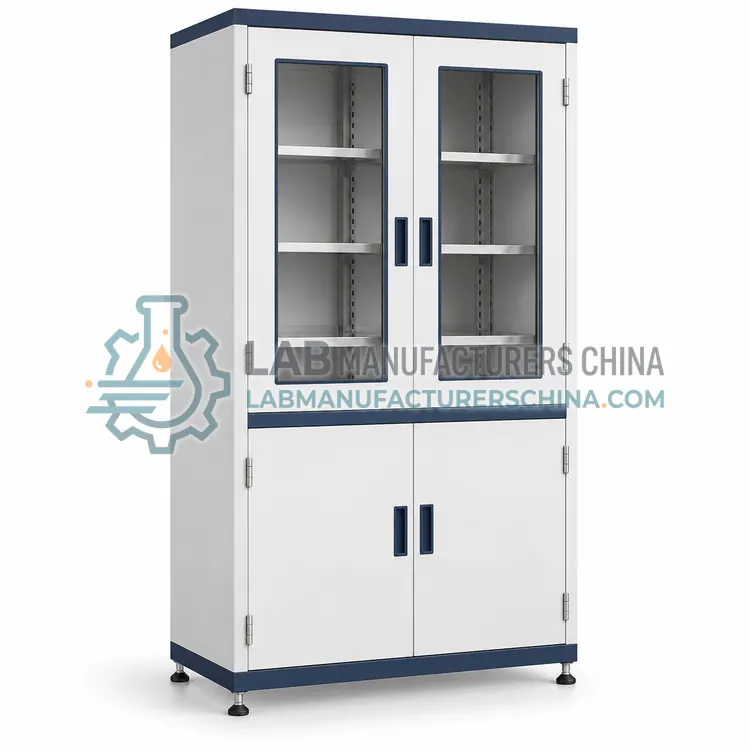
Tall Full-Height Laboratory Storage Cabinet
全高实验室储物柜
- SKU SCA-0002
- Storage Cabinets
- ISO 9001 manufacturing (to be confirmed)
- SEFA 8 test report (to be confirmed)
- CE (where electrical parts are fitted) (to be confirmed)
Price on request — FOB / CIF quoted per order
Prices depend on configuration, quantity and destination port.
Key specifications
| External size | 900/1200 × 450 × 1800/2000 mm |
|---|---|
| Material | Steel 0.8–1.2 mm or melamine board 18 mm |
| Number of shelves | 4–6 adjustable |
| Shelf load | 50–80 kg each |
| Drawer option | 2–3 lower drawers, 30–40 kg |
| Door type | Double, solid or glazed |
Request a quote Download brochure · to be provided
By Lab Manufacturers China Technical TeamLast reviewed Standards: SEFA 8 (laboratory grade casework), EN 14056 (laboratory furniture design and installation), EN 13150 (laboratory workbenches, finish tests)
What is the Tall Full-Height Laboratory Storage Cabinet?
A tall full-height storage cabinet stands from floor to about 1800–2000 mm and holds shelves and drawers for bulk glassware, consumables and records. It offers the most storage per floor area in laboratory rooms and suits stores, preparation rooms and teaching labs with limited space.
What is the Tall Full-Height Laboratory Storage Cabinet?
A tall full-height storage cabinet stands from floor to about 1800–2000 mm and holds shelves and drawers for bulk glassware, consumables and records. It offers the most storage per floor area in laboratory rooms and suits stores, preparation rooms and teaching labs with limited space.
Overview
Tall cabinets are made in steel or wood-based board with double doors, often with lower drawers and upper shelves. Widths of 900 or 1200 mm and depths of 400–500 mm are typical, with reinforced back panels for stability. Adjustable shelves carry 50–80 kg each, and some models include pull-out shelves or carousel fittings. Anchoring to the wall or floor is required to prevent tipping, particularly when loaded unevenly. The high volume suits storing boxed consumables, spare glassware, filters and office supplies. Because reach height is limited, heavy or frequently used items should be stored between knee and shoulder level. Optional locks, dust seals and labels support inventory control.
How does it work?
A storage cabinet is a rigid carcass with doors, drawers and adjustable shelves that organizes laboratory inventory. Steel cabinets use 0.8–1.2 mm cold-rolled sheet with epoxy-polyester powder coat, stainless cabinets use 304 sheet, and wood-based cabinets use sealed melamine or laminate board. Doors may be solid, glazed or fitted with transparent panels, and locks restrict access. Shelf load ratings usually range from 40 to 80 kg per shelf, with drawer slides rated to around 40 kg. Wall cabinets are fixed to the structure, floor cabinets use leveling feet, and mobile pedestals run on locking casters. Ventilation slots or perforated panels may be added for moisture control. General storage cabinets are not fire-resistant and are not substitutes for flammable or corrosive safety cabinets.
What are the key features?
- Floor-to-1800/2000 mm height for maximum capacity
- Double doors with optional lower drawers
- Shelves rated 50–80 kg each, adjustable
- Reinforced back panel for rigidity
- Optional locks, dust seals and labels
- Anchoring points for wall or floor fixing
What are the technical specifications?
A typical tall full-height laboratory storage cabinet configuration offers external size of 900/1200 × 450 × 1800/2000 mm, material of Steel 0.8–1.2 mm or melamine board 18 mm, number of shelves of 4–6 adjustable, shelf load of 50–80 kg each, drawer option of 2–3 lower drawers, 30–40 kg and door type of Double, solid or glazed. Values are indicative of the product class; the exact figures for each configuration are confirmed on the quotation and the calibration documents supplied with the instrument.
Which applications is it used for?
The Tall Full-Height Laboratory Storage Cabinet is used in bulk glassware storage, consumables stores, laboratory records and spare parts and filters. Across the wider Storage Cabinets class, laboratories also deploy it for glassware and consumables storage, instrument accessories storage and record and sample archive storage.
Which standards and certifications apply?
Relevant standards and methods include SEFA 8 (laboratory grade casework), EN 14056 (laboratory furniture design and installation), EN 13150 (laboratory workbenches, finish tests), GB 24820 (laboratory furniture) and ISO 9001 quality management. Certification candidates for this model are ISO 9001 manufacturing, SEFA 8 test report and CE (where electrical parts are fitted); each is to be confirmed for the specific configuration before shipment, and certificates are supplied only where they have been issued.
Anchor tall and wall cabinets to suitable structure, and check wall loads before installation. Level floor units and keep them away from heat sources. Do not store incompatible chemicals together, and never use general cabinets for flammable solvents beyond small working quantities allowed by local fire codes. Label shelves with maximum loads and keep heavy items low. Clean surfaces with neutral detergent, and inspect hinges, locks and slides every six months. In humid rooms, add ventilated panels or desiccants. Keep an inventory list and periodically review contents for expired materials.
How do I select the right Tall Full-Height Laboratory Storage Cabinet?
Select tall cabinets where floor area is tight and bulk storage is needed in the lab room. They are not meant for hazardous chemicals. In the RFQ, specify width, depth, height, shelf count, drawer option, door type, material and anchoring conditions, plus any locking or labeling requirements.
How does it compare with other Storage Cabinets variants?
Decide what will be stored and how often it is accessed. Glass-door cabinets suit visible inventory, while solid doors protect light-sensitive items. Tall units maximize capacity per floor area, under-bench pedestals sit beneath worktops, and wall cabinets free bench space. Match the material to the environment: steel for humid or tropical rooms, stainless steel for cleanrooms and disinfection, wood-based for dry general use. Check shelf and drawer load ratings against the heaviest items. Specify locks, labeling needs and dimensions in multiples of 600 mm modules. Hazardous chemicals must go into certified safety cabinets, not general storage units.
Full specifications
| External size | 900/1200 × 450 × 1800/2000 mm |
|---|---|
| Material | Steel 0.8–1.2 mm or melamine board 18 mm |
| Number of shelves | 4–6 adjustable |
| Shelf load | 50–80 kg each |
| Drawer option | 2–3 lower drawers, 30–40 kg |
| Door type | Double, solid or glazed |
| Lock | Cam lock |
| Coating | Epoxy-polyester powder, 60 µm |
| Anchoring | Wall bracket or floor bolts |
| Weight | ≈70–110 kg |
Indicative values for this product class. Final specifications are confirmed on the quotation and in the calibration documents supplied with the instrument.
Applications
- Bulk glassware storage
- Consumables stores
- Laboratory records
- Spare parts and filters
Key features
- Floor-to-1800/2000 mm height for maximum capacity
- Double doors with optional lower drawers
- Shelves rated 50–80 kg each, adjustable
- Reinforced back panel for rigidity
- Optional locks, dust seals and labels
- Anchoring points for wall or floor fixing
Frequently asked questions about Tall Full-Height Laboratory Storage Cabinet
Tall cabinets should be fixed to the wall or floor using brackets or bolts, and heavy items kept on lower shelves. Confirm anchor type against the wall or floor construction and any local seismic regulation.
Shelves sit on adjustable clips, usually at 25 or 32 mm pitch, so they can be repositioned without tools. Keep the maximum load in mind when moving shelves and avoid concentrating weight at one edge.
A depth of 400–500 mm holds most glassware and boxed consumables without hiding items at the back. Deeper cabinets waste reach, while shallower units suit smaller vials, filters and documents.
A laboratory storage cabinet is an enclosed casework unit with doors, shelves or drawers for storing glassware, consumables, instruments and non-hazardous materials. It is built from steel, stainless steel or sealed wood-based board, and differs from safety cabinets designed for hazardous chemicals.
Only small working quantities within local fire code limits should be kept outside a safety cabinet. Bulk flammable liquids must be stored in certified flammable storage cabinets that meet standards such as EN 14470-1 or NFPA 30 requirements.
Adjustable shelves are normally rated 40–80 kg each when evenly distributed, and drawers around 30–40 kg. Reinforced shelves for heavy glassware or reagent cartons are available, so state the heaviest items in your specification.
Related models
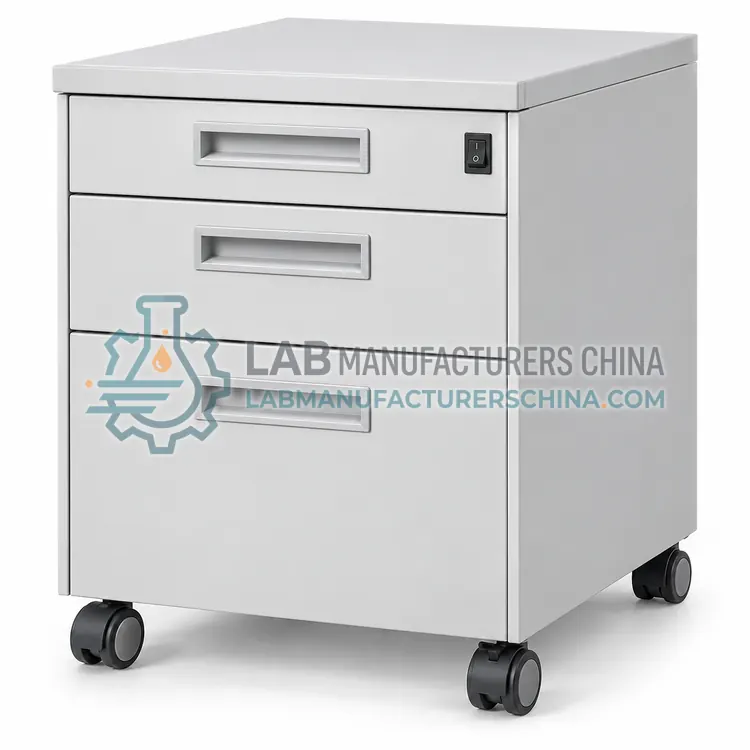
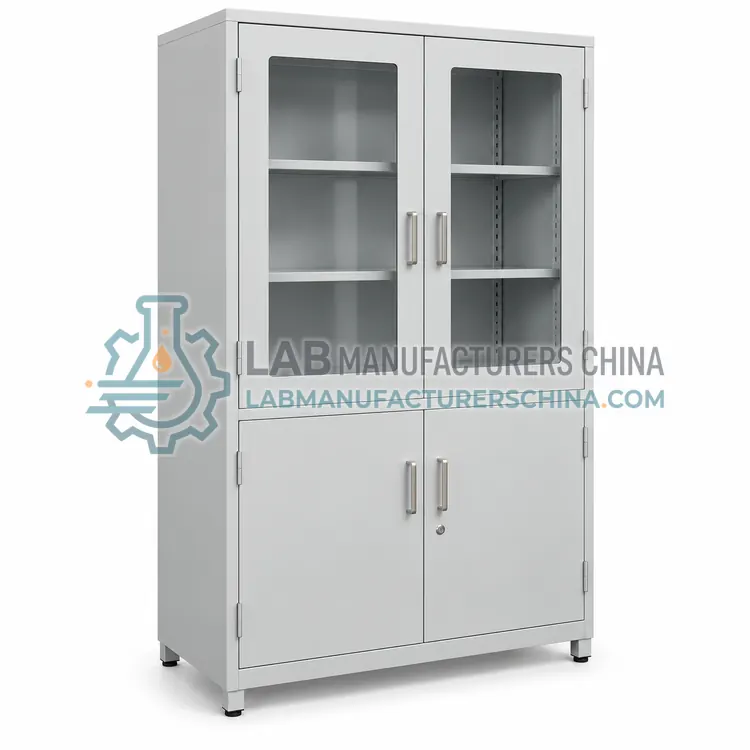
Stainless Steel Storage Cabinet for Cleanroom Areas
洁净区用不锈钢储物柜
- ISO 9001 manufacturing (to be confirmed)
- +2
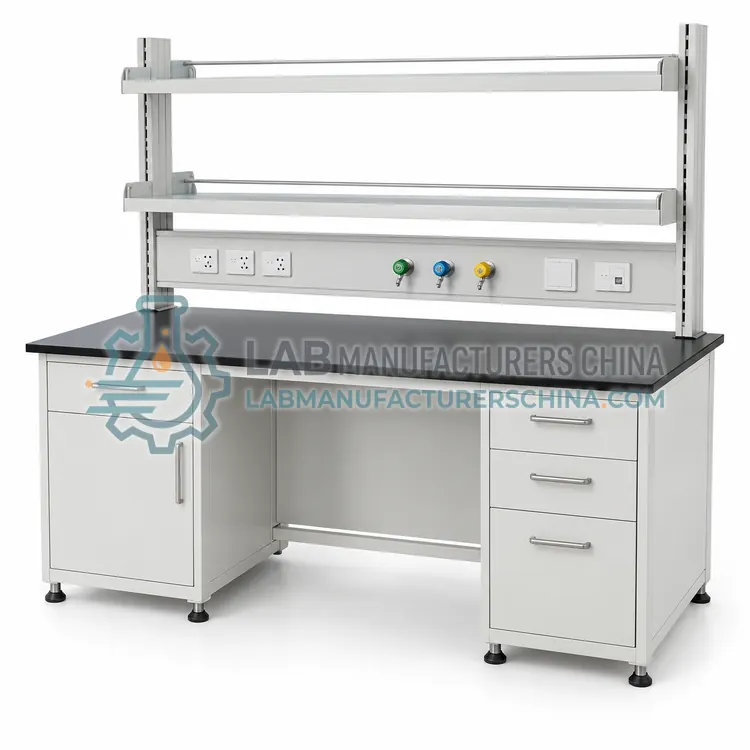
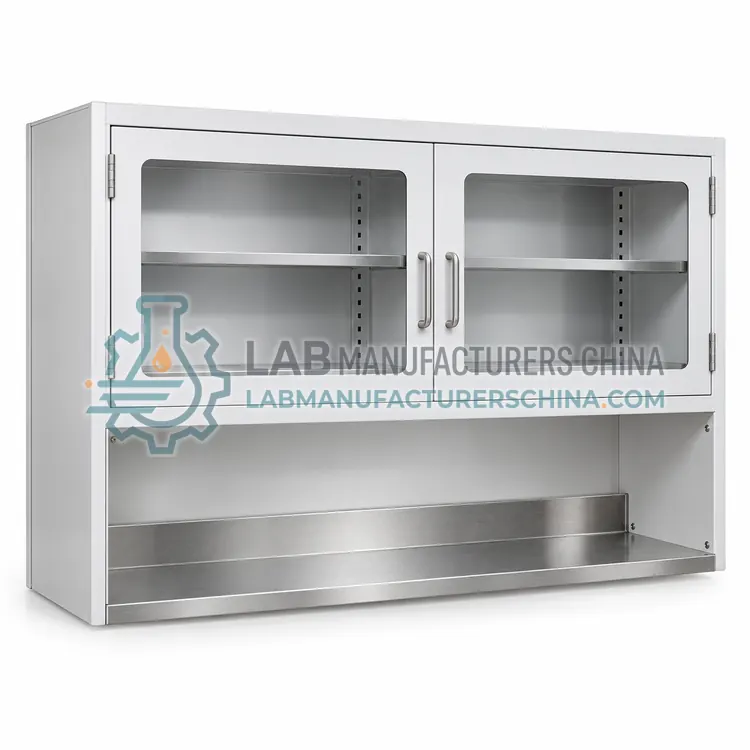
Wall Bench with Reagent Shelf and Service Panel
带试剂架和管线面板的靠墙实验台
- ISO 9001 manufacturing (to be confirmed)
- +2