Condensation Particle Counter
凝结粒子计数器
- SKU PAM-0005
- Particulate Monitors
- CE (to be confirmed)
- RoHS (to be confirmed)
- ISO 9001 manufacturing (to be confirmed)
Price on request — FOB / CIF quoted per order
Prices depend on configuration, quantity and destination port.
Key specifications
| Measurement principle | Condensation growth and optical counting |
|---|---|
| Lower detection size | 5 nm (butanol), 10 nm (water) |
| Concentration range | 0–100,000 particles/cm³ |
| Counting efficiency | ≥ 50% at lower detection size |
| Working fluid | Butanol or water |
| Sample flow rate | 0.3 L/min typical |
Request a quote Download brochure · to be provided
By Lab Manufacturers China Technical TeamLast reviewed Standards: EN 12341, US EPA 40 CFR Part 50 Appendix L, ISO 23210
What is the Condensation Particle Counter?
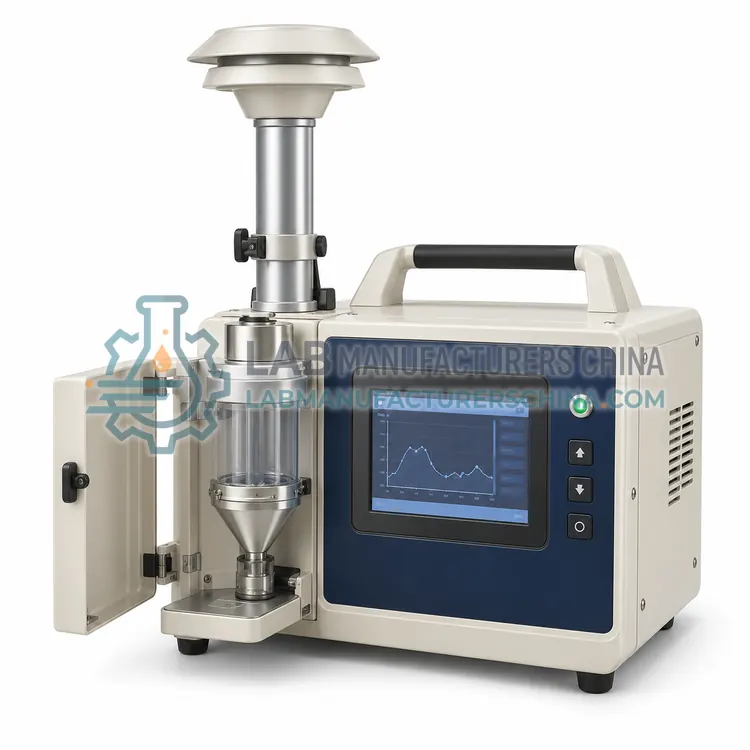
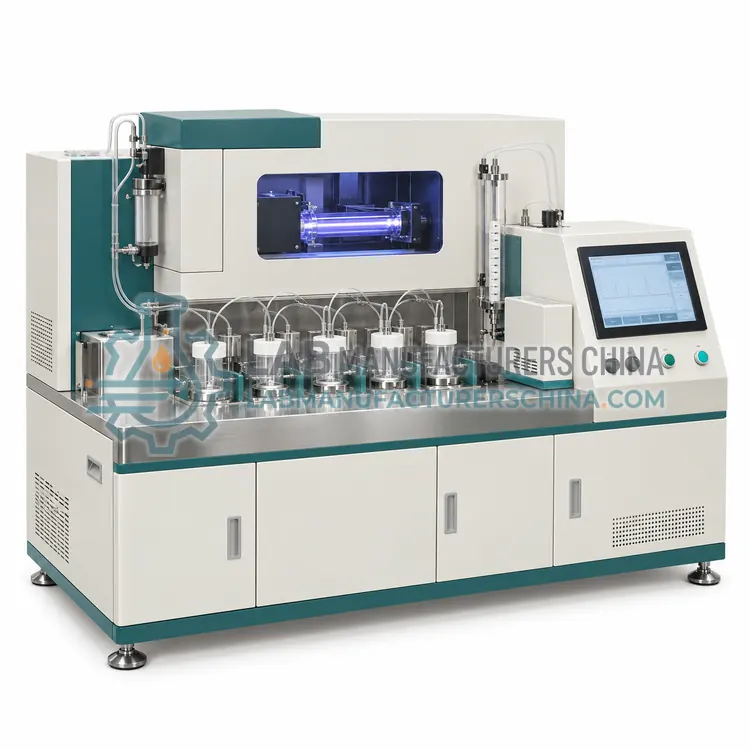
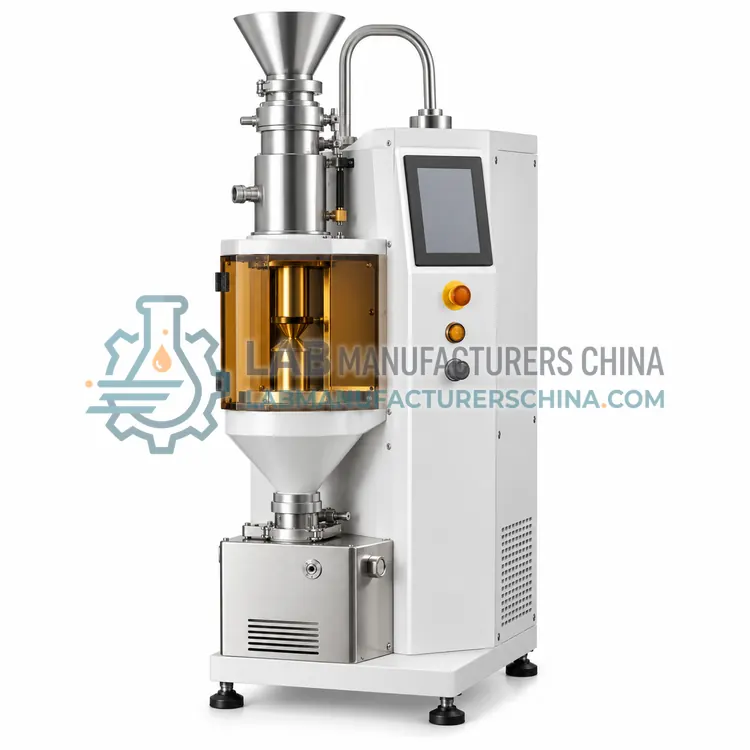
An instrument that grows ultrafine particles in a supersaturated vapour and counts them optically. It is the right choice for measuring particle number concentration in vehicle exhaust, cleanroom checks and nanoparticle research.
What is the Condensation Particle Counter?
An instrument that grows ultrafine particles in a supersaturated vapour and counts them optically. It is the right choice for measuring particle number concentration in vehicle exhaust, cleanroom checks and nanoparticle research.
Overview
The condensation particle counter draws sample air through a saturator where it becomes saturated with butanol or water vapour, then into a condenser where the vapour condenses onto particles, growing them to a few micrometres so they scatter enough light to be detected. Each particle produces a pulse at the optical detector, and the pulse rate gives number concentration. Detection thresholds range from a few nanometres for butanol-based units to about ten nanometres for water-based ones, which matters when measuring vehicle exhaust or combustion aerosols. Sample conditioning with a diluter and a heated line prevents condensation and coagulation before measurement. Flow rates of a few tenths of a litre per minute and concentration ranges up to 100,000 particles per cubic centimetre are typical. The counter measures number, not mass, so results are complementary to gravimetric and beta attenuation data.
How does it work?
Particulate monitors use several physical principles. Beta attenuation monitors deposit particles on a filter tape and measure the attenuation of beta radiation from a carbon-14 source, which is proportional to deposited mass. Tapered element oscillating microbalance instruments weigh particles continuously on a filter mounted on an oscillating element whose frequency falls as mass accumulates. Optical monitors measure light scattered by particles at one or more angles and convert the signal to mass using an assumed or calibrated factor. High-volume samplers draw air through a size-selective inlet and a pre-weighed filter, giving a gravimetric result that serves as a reference. Condensation particle counters grow ultrafine particles in a supersaturated vapour and count them optically. Size-selective inlets such as cyclones or impactors define the cut point.
What are the key features?
- Detects particles down to a few nanometres in diameter.
- Butanol or water condensation growth allows optical counting of ultrafine particles.
- Heated sample line and diluter prevent condensation before measurement.
- High count rate suits vehicle exhaust and combustion aerosol studies.
- Real-time output resolves transient emission events.
- Measures number concentration complementary to mass-based monitors.
What are the technical specifications?
A typical condensation particle counter configuration offers measurement principle of Condensation growth and optical counting, lower detection size of 5 nm (butanol), 10 nm (water), concentration range of 0–100,000 particles/cm³, counting efficiency of ≥ 50% at lower detection size, working fluid of Butanol or water and sample flow rate of 0.3 L/min typical. Values are indicative of the product class; the exact figures for each configuration are confirmed on the quotation and the calibration documents supplied with the instrument.
Which applications is it used for?
The Condensation Particle Counter is used in vehicle and engine emission testing, cleanroom and HEPA filter checks, nanoparticle and combustion research and urban ultrafine particle monitoring. Across the wider Particulate Monitors class, laboratories also deploy it for ambient PM10 and PM2.5 monitoring networks, industrial fence-line dust monitoring and indoor and occupational dust exposure checks.
Which standards and certifications apply?
Relevant standards and methods include EN 12341, US EPA 40 CFR Part 50 Appendix L, ISO 23210, ISO 10155, HJ 653 and GB 3095. Certification candidates for this model are CE, RoHS and ISO 9001 manufacturing; each is to be confirmed for the specific configuration before shipment, and certificates are supplied only where they have been issued.
Site the monitor so the inlet is 2 to 15 m above ground, away from walls, vents and trees that distort airflow, and record the inlet height. For beta attenuation and TEOM instruments, replace filter tape or cartridges on schedule and perform leak checks and flow audits with a primary standard. Keep the heated inlet and drying system working, since moisture control is critical to accuracy. For gravimetric samplers, equilibrate filters in a controlled weighing room at 20 to 23 °C and 30 to 40 percent relative humidity before and after sampling. Log operational status and invalid data flags, and co-locate new instruments with a reference monitor for field comparison before reporting.
How do I select the right Condensation Particle Counter?
Select the CPC when particle number concentration and ultrafine size sensitivity are required, such as vehicle certification or cleanroom checks. For regulatory mass data, choose a beta attenuation or high-volume sampler. In an RFQ, specify the lower detection size, concentration range, working fluid and sample conditioning needs.
How does it compare with other Particulate Monitors variants?
Choose the monitor by the metric and the purpose. For regulatory PM10 and PM2.5 mass data, beta attenuation or TEOM instruments approved under US EPA or EN methods are used, with gravimetric samplers for reference and auditing. For worker exposure, indoor checks and network densification, low-cost optical monitors give fast indicative results but need correction against reference data. Consider the size cut point, measurement range, averaging time and whether the instrument reports mass or number. Evaluate sampling inlet conditioning, since relative humidity above about 60 percent can bias optical and beta readings through particle growth, so heated inlets or naffion dryers are often fitted. Confirm filter or tape consumption and the calibration and audit schedule.
Full specifications
| Measurement principle | Condensation growth and optical counting |
|---|---|
| Lower detection size | 5 nm (butanol), 10 nm (water) |
| Concentration range | 0–100,000 particles/cm³ |
| Counting efficiency | ≥ 50% at lower detection size |
| Working fluid | Butanol or water |
| Sample flow rate | 0.3 L/min typical |
| Response time | 1 s or faster |
| Outputs | RS-232, USB, analog pulse |
| Operating temperature | 10–35 °C |
| Power supply | 100–240 VAC, 50/60 Hz |
| Sample conditioning | Diluter and heated line options |
Indicative values for this product class. Final specifications are confirmed on the quotation and in the calibration documents supplied with the instrument.
Applications
- Vehicle and engine emission testing
- Cleanroom and HEPA filter checks
- Nanoparticle and combustion research
- Urban ultrafine particle monitoring
Key features
- Detects particles down to a few nanometres in diameter.
- Butanol or water condensation growth allows optical counting of ultrafine particles.
- Heated sample line and diluter prevent condensation before measurement.
- High count rate suits vehicle exhaust and combustion aerosol studies.
- Real-time output resolves transient emission events.
- Measures number concentration complementary to mass-based monitors.
Frequently asked questions about Condensation Particle Counter
Number concentration counts every particle regardless of size, while mass concentration is dominated by the largest particles. A few large particles can carry most of the mass but a tiny fraction of the number, so the two metrics respond differently to sources.
Raw exhaust contains high concentrations and water vapour that would condense and overload the counter. Diluting with clean, dry air brings the sample into range and prevents water condensation inside the saturator and condenser.
A standard CPC reports only total number concentration. Adding a scanning mobility particle sizer, which precedes the CPC with a classifier, gives a size distribution from a few nanometres to about one micrometre.
PM10 describes particles with an aerodynamic diameter up to 10 micrometres that penetrate the upper airways, while PM2.5 covers particles up to 2.5 micrometres that reach the alveoli. Both are mass-based metrics and are measured with inlets or impactors that define the cut point.
Optical monitors estimate mass from scattered light using an assumption about particle density, refractive index and size, while beta and gravimetric methods measure mass directly. Humidity, composition and size distribution differences cause bias, so optical units are corrected against reference data at each site.
Regulatory stations typically report hourly PM values with daily averages for comparison with limit values, while research applications may use one-minute data. Very short averages increase noise, so smoothing is applied without masking genuine pollution episodes.
Related models