GC Injection Port Septum
气相进样口隔垫
- SKU CHC-0002
- Chromatography Consumables
- CE (to be confirmed)
- ISO 9001 manufacturing (to be confirmed)
Price on request — FOB / CIF quoted per order
Prices depend on configuration, quantity and destination port.
Key specifications
| Material | Silicone or PTFE-faced silicone |
|---|---|
| Max temperature | Up to 350 °C |
| Bleed | Low-bleed grade |
| Diameter | 9–11 mm typical |
| Pierce count | Up to several hundred |
| Facing | PTFE option |
Request a quote Download brochure · to be provided
By Lab Manufacturers China Technical TeamLast reviewed Standards: USP <621> (chromatography), USP <467> (residual solvents), USP <788> (particulate matter in injections)
What is the GC Injection Port Septum?
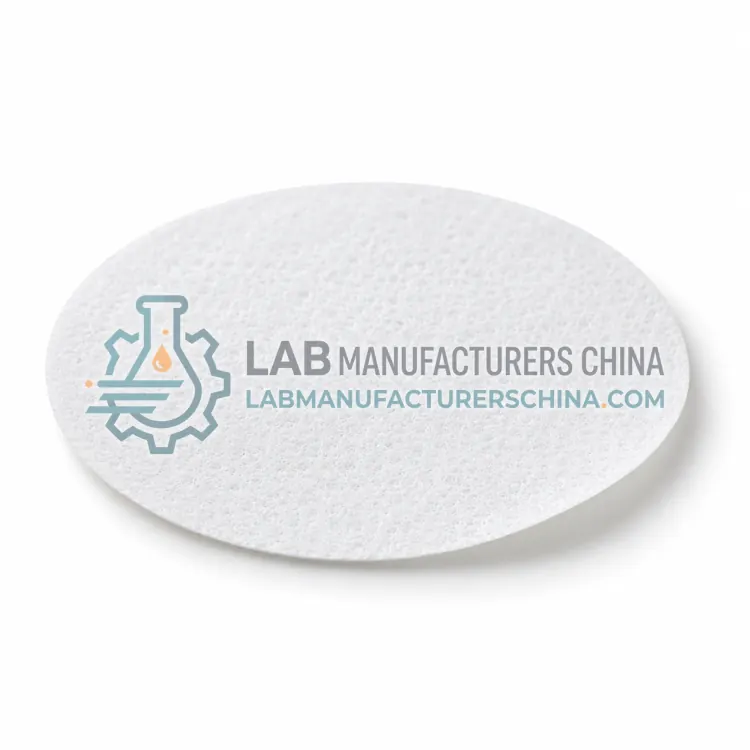
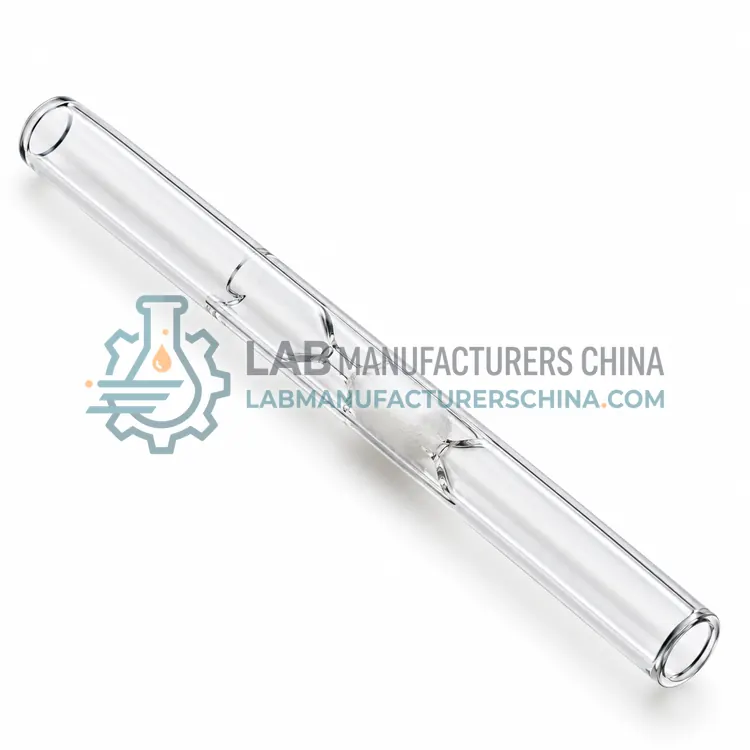
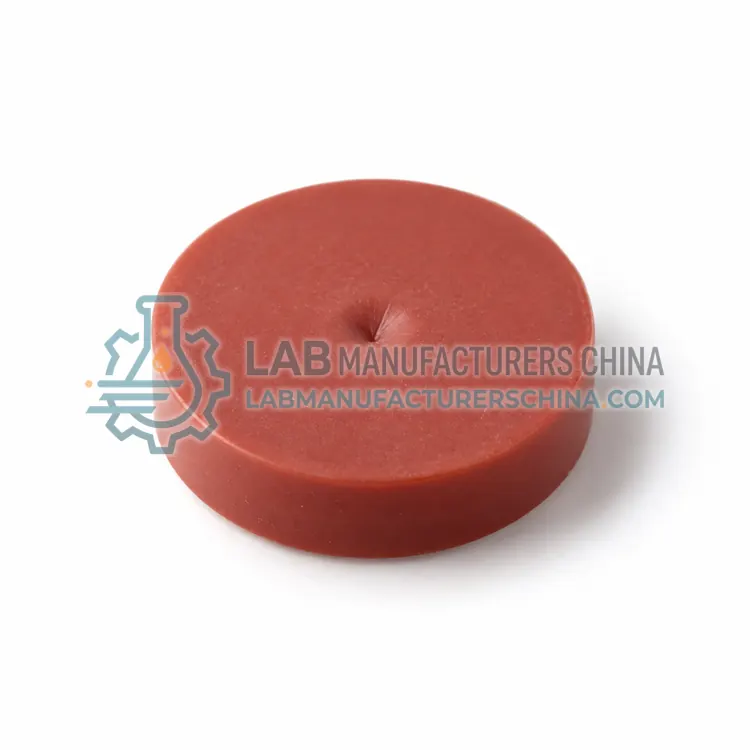
A GC injection port septum seals the inlet against the needle while resisting temperature and bleed. It must reseal after many injections without adding peaks. Low-bleed material greatly reduces ghost peaks in trace work.
What is the GC Injection Port Septum?
A GC injection port septum seals the inlet against the needle while resisting temperature and bleed. It must reseal after many injections without adding peaks. Low-bleed material greatly reduces ghost peaks in trace work.
Overview
The septum is a disc of silicone, PTFE-faced silicone, butyl or a blended elastomer that seals the injection port around the syringe needle. Its properties matter at inlet temperatures of 200–350 °C, where ordinary silicone can bleed siloxanes that appear as ghost peaks in the chromatogram. Low-bleed formulations and PTFE facing reduce this, and the material must reseal after repeated piercing so carrier gas and sample do not escape. Septum life depends on the temperature, needle quality, injection frequency and how the autosampler enters the port. A worn septum leaks, causing poor peak shape, retention shifts, air ingress and loss of sensitivity, and it should be replaced on a schedule rather than only when problems appear. Correct installation, without over-tightening, keeps the seal effective.
How does it work?
Chromatography consumables work by providing a clean, inert flow path and by protecting the analytical column from particulates, involatile residues and reactive analytes. In gas chromatography, the inlet liner holds the injected sample while it vaporises, and its geometry, packing and deactivation affect peak shape and whether involatile material reaches the column; a septum seals the inlet and must reseal after many injections without bleeding siloxanes. In liquid chromatography, frits at the column ends retain the packing while allowing liquid through, and the pore size must be fine enough not to let particles pass but coarse enough to avoid high pressure. PEEK tubing and fittings replace stainless steel where metal interaction or salt corrosion matters. Guard cartridges add a small length of similar packing before the analytical column so contaminants are retained there and the expensive column lasts longer.
What are the key features?
- Silicone, PTFE-faced or butyl
- Temperature range to 350 °C
- Low-bleed formulations
- Reseals after many piercings
- Scheduled replacement
- Correct installation to avoid leaks
What are the technical specifications?
A typical gc injection port septum configuration offers material of Silicone or PTFE-faced silicone, max temperature of Up to 350 °C, bleed of Low-bleed grade, diameter of 9–11 mm typical, pierce count of Up to several hundred and facing of PTFE option. Values are indicative of the product class; the exact figures for each configuration are confirmed on the quotation and the calibration documents supplied with the instrument.
Which applications is it used for?
The GC Injection Port Septum is used in GC and GC-MS injection, residual solvent testing, trace analysis and high-temperature methods. Across the wider Chromatography Consumables class, laboratories also deploy it for gas chromatography injection, liquid chromatography and UHPLC and ion chromatography.
Which standards and certifications apply?
Relevant standards and methods include USP <621> (chromatography), USP <467> (residual solvents), USP <788> (particulate matter in injections), ISO/IEC 17025 (testing and calibration laboratories) and USP <1058> (analytical instrument qualification). Certification candidates for this model are CE and ISO 9001 manufacturing; each is to be confirmed for the specific configuration before shipment, and certificates are supplied only where they have been issued.
Replace liners, septa and guard cartridges on a schedule based on injection count and sample cleanliness, not only when performance visibly degrades, since contamination develops gradually. Keep a log of replacements and the symptoms that prompted them, such as peak tailing, carry-over or pressure rise. Check the exact part number and dimensions, because a wrong ferrule or liner can leak, leak air into the detector or damage the injection port. Handle frits and liners with clean tools to avoid contamination, and never reuse a liner from one method in another without cleaning and inspection. Confirm that PEEK fittings are used within their pressure and temperature range, and store parts in their packaging. Verify that new lots do not introduce ghost peaks before routine use.
How do I select the right GC Injection Port Septum?
Choose a septum rated above your inlet temperature with low bleed for trace work, and replace it on a schedule. RFQ: inlet temperature, injection count, instrument model and bleed requirements. Provide inlet temperature and injection count.
How does it compare with other Chromatography Consumables variants?
Match each consumable to the instrument, the method and the analytes. For GC, choose a liner with a geometry and packing suited to the injection mode, split or splitless, and deactivated for active analytes; choose a septum with the right temperature limit and bleed characteristics for the analyte concentrations and run length. For LC, choose frits of the correct porosity and material, and PEEK or titanium fittings for ion analysis and high-salt mobile phases. Add a guard cartridge that matches the analytical column chemistry, and replace it before contamination reaches the column. Confirm the dimensions, thread types and pressures before ordering, because fittings and frits are not interchangeable between systems. Where trace analysis is done, request lot information and test blanks to confirm low background.
Full specifications
| Material | Silicone or PTFE-faced silicone |
|---|---|
| Max temperature | Up to 350 °C |
| Bleed | Low-bleed grade |
| Diameter | 9–11 mm typical |
| Pierce count | Up to several hundred |
| Facing | PTFE option |
| Seal | Reseals on needle exit |
| Replacement | Scheduled |
| Leak symptoms | Peak shape and retention shifts |
| Use | GC inlet sealing |
Indicative values for this product class. Final specifications are confirmed on the quotation and in the calibration documents supplied with the instrument.
Applications
- GC and GC-MS injection
- Residual solvent testing
- Trace analysis
- High-temperature methods
Key features
- Silicone, PTFE-faced or butyl
- Temperature range to 350 °C
- Low-bleed formulations
- Reseals after many piercings
- Scheduled replacement
- Correct installation to avoid leaks
Frequently asked questions about GC Injection Port Septum
At high inlet temperature the elastomer releases siloxanes and other compounds that appear as peaks or raise baseline, interfering with trace analytes. Low-bleed septa and an appropriate temperature limit reduce this.
On an injection-count schedule, often every 50–200 injections depending on temperature and needle quality. Leaks show as peak shape changes, retention drift and air peaks, so replace before that point.
No. Once it is punctured and compressed it may not reseal properly, and a reused septum leaks air and loses sample. Always fit a new septum when replacing one.
By injection count and sample cleanliness, often every 50–200 injections for dirty samples and less often for clean ones. Symptoms such as peak tailing, carry-over or reduced response indicate it is overdue.
Septum material can bleed siloxanes or other compounds at inlet temperature, and these appear as peaks, especially in trace analysis. Low-bleed septa and a temperature suited to the septum reduce the problem.
Typically 0.2–2 µm, fine enough to retain the packing and block particles but coarse enough to avoid excessive back pressure. The frit material must be compatible with the mobile phase.
Related models