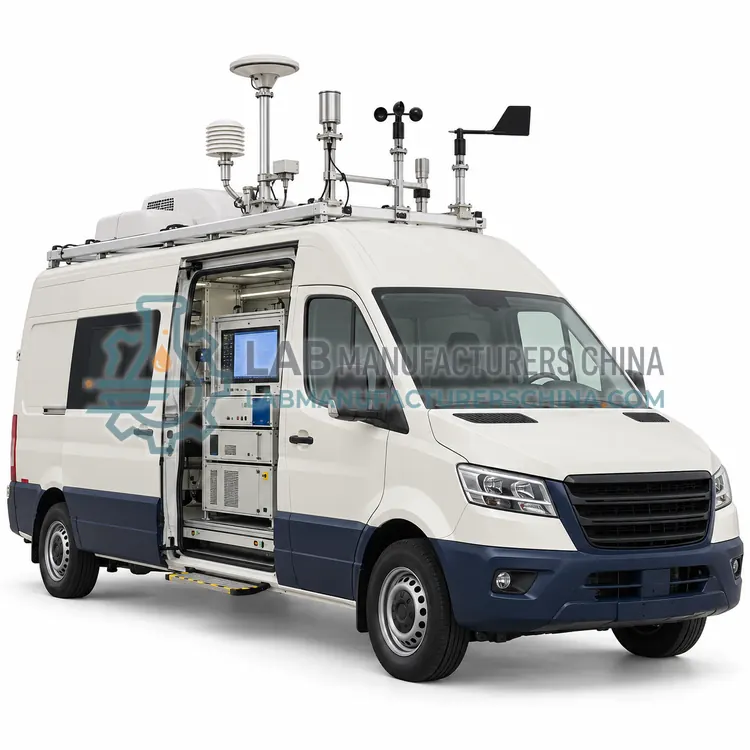

Fixed Ambient Air Quality Monitoring Station
固定式环境空气质量监测站
- SKU AAS-0001
- Ambient Air Stations
- CE (to be confirmed)
- China environmental monitoring station certification (to be confirmed)
- ISO 9001 manufacturing (to be confirmed)
Price on request — FOB / CIF quoted per order
Prices depend on configuration, quantity and destination port.
Key specifications
| Measured pollutants | SO2, NOx, CO, O3, PM10, PM2.5 |
|---|---|
| Shelter size | 2–6 m² walk-in or rack cabinet |
| Inlet height | 2–15 m above ground |
| Manifold material | Glass or PTFE, borosilicate |
| Temperature control | 20–25 °C, air conditioned |
| Calibration system | Zero air, dynamic dilution, permeation |
Request a quote Download brochure · to be provided
By Lab Manufacturers China Technical TeamLast reviewed Standards: US EPA 40 CFR Part 58 Appendix A, EN 14212, EN 14211
What is the Fixed Ambient Air Quality Monitoring Station?
A permanent shelter with reference analyzers, particulate monitor and calibration system for regulatory air quality data. It is the right choice for national and municipal networks that must report against legal standards.
What is the Fixed Ambient Air Quality Monitoring Station?
A permanent shelter with reference analyzers, particulate monitor and calibration system for regulatory air quality data. It is the right choice for national and municipal networks that must report against legal standards.
Overview
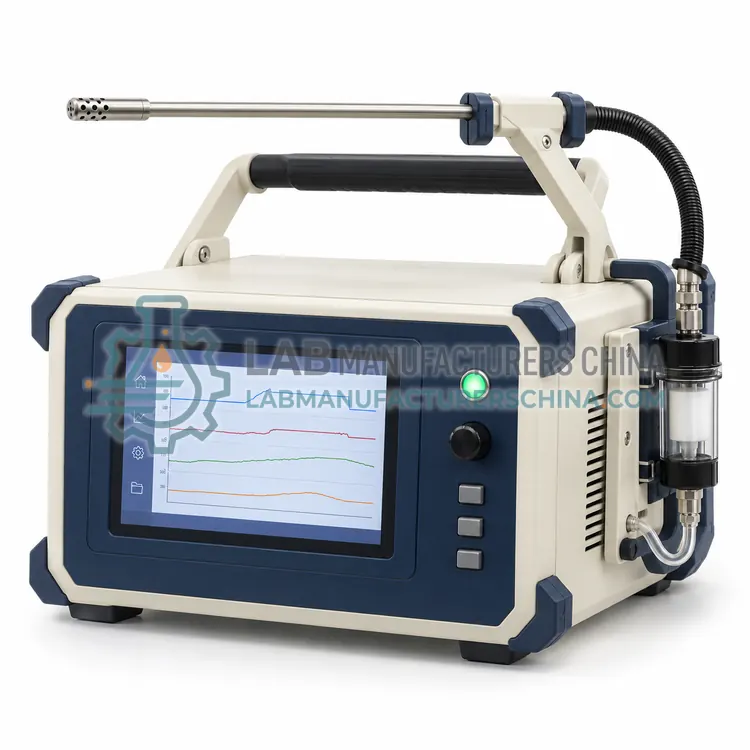
The fixed station is a walk-in or cabinet shelter with air conditioning, power conditioning and a rack of reference instruments. A single inlet and manifold feed sulfur dioxide, nitrogen oxides, carbon monoxide, ozone and particulate analyzers, while calibration gas is delivered through the same path so the whole chain is verified. The data logger computes hourly averages, applies validity criteria and transmits to the network server. Meteorological sensors on a mast record wind speed and direction, temperature, humidity, pressure, solar radiation and rainfall. Because the analyzers are reference or equivalent method instruments, data can be used for regulatory reporting and public indices. Siting follows national guidance on inlet height and spacing, and the station is usually fenced, alarmed and connected to mains power with a backup supply.
How does it work?
An ambient station brings together several measurement channels on a common sampling manifold and data platform. A glass or PTFE manifold with a blower draws air from an inlet at a defined height, and short lines feed each analyzer so that all channels sample the same air. Reference analyzers for sulfur dioxide, nitrogen oxides, carbon monoxide and ozone, plus a particulate monitor, sit in a temperature-controlled rack. A calibration system with a zero air generator, permeation or gas dilution devices and a dynamic diluter supplies standards to the analyzers on schedule and can be routed through the whole sampling path. A data logger collects results, applies validity flags and averages, and a computer or modem sends data to a central server. Meteorological sensors for wind, temperature, humidity and pressure are often added, and station siting follows guidance on spacing, height and distance from obstructions.
What are the key features?
- Houses reference analyzers for all criteria pollutants in one shelter.
- Common manifold ensures all channels measure the same air.
- Calibration routed through the manifold verifies the whole sampling path.
- Meteorological mast records wind and weather parameters.
- Air conditioning and power conditioning stabilise instrument conditions.
- Data logger applies validity flags and transmits hourly averages.
What are the technical specifications?
A typical fixed ambient air quality monitoring station configuration offers measured pollutants of SO2, NOx, CO, O3, PM10, PM2.5, shelter size of 2–6 m² walk-in or rack cabinet, inlet height of 2–15 m above ground, manifold material of Glass or PTFE, borosilicate, temperature control of 20–25 °C, air conditioned and calibration system of Zero air, dynamic dilution, permeation. Values are indicative of the product class; the exact figures for each configuration are confirmed on the quotation and the calibration documents supplied with the instrument.
Which applications is it used for?
The Fixed Ambient Air Quality Monitoring Station is used in national air quality monitoring networks, municipal regulatory reporting, industrial park boundary monitoring and long-term trend and health studies. Across the wider Ambient Air Stations class, laboratories also deploy it for national and municipal air quality networks, industrial park and fence-line monitoring and traffic and roadside exposure assessment.
Which standards and certifications apply?
Relevant standards and methods include US EPA 40 CFR Part 58 Appendix A, EN 14212, EN 14211, EN 14626, ISO 13964, HJ 664 and GB 3095. Certification candidates for this model are CE, China environmental monitoring station certification and ISO 9001 manufacturing; each is to be confirmed for the specific configuration before shipment, and certificates are supplied only where they have been issued.
Site the inlet according to the applicable guidance, typically 2 to 15 m above ground and away from vents, walls and trees, and document surrounding land use. Keep the manifold and lines clean and free of leaks, and verify sample flow and residence time at each analyzer. Run the calibration system on schedule, including zero, span and multipoint checks, and record all results for audit. Maintain air conditioning so rack temperature stays stable, replace filters and dryers, and check the zero air generator and its consumables. For regulatory networks, conduct periodic independent audits and co-location comparisons, and manage data with documented validity criteria. Protect the station from lightning and ensure uninterruptible power for the analyzers and logger.
How do I select the right Fixed Ambient Air Quality Monitoring Station?
Select a fixed station when regulatory data, full calibration traceability and long-term operation are required. For dense indicative coverage, micro or mobile stations cost less. In an RFQ, specify the pollutant list, analyzer method and approval, shelter size, meteorological sensors and reporting protocol.
How does it compare with other Ambient Air Stations variants?
Decide first whether regulatory reference data or indicative data is required, because that sets the analyzer class. Regulatory stations use reference or equivalent method instruments, a full calibration system and a shelter with reliable power, while indicative stations can use sensors and compact enclosures for denser coverage. Then match the configuration to the objectives: background, urban, traffic, industrial or roadside. Consider siting requirements, since inlet height, spacing from roads and buildings and freedom from local sources affect data representativeness. Allow space for future channels, confirm power, air conditioning and network connectivity, and plan for calibration gases and their safe storage. For temporary campaigns, a mobile station avoids civil works. Confirm the data platform, reporting protocol and quality assurance plan.
Full specifications
| Measured pollutants | SO2, NOx, CO, O3, PM10, PM2.5 |
|---|---|
| Shelter size | 2–6 m² walk-in or rack cabinet |
| Inlet height | 2–15 m above ground |
| Manifold material | Glass or PTFE, borosilicate |
| Temperature control | 20–25 °C, air conditioned |
| Calibration system | Zero air, dynamic dilution, permeation |
| Meteorological sensors | Wind, temperature, humidity, pressure |
| Data logging | 1-minute and hourly averages |
| Outputs | Ethernet, 4G, Modbus |
| Power supply | 220 VAC with UPS backup |
| Operating temperature | −20 to 50 °C ambient |
Indicative values for this product class. Final specifications are confirmed on the quotation and in the calibration documents supplied with the instrument.
Applications
- National air quality monitoring networks
- Municipal regulatory reporting
- Industrial park boundary monitoring
- Long-term trend and health studies
Key features
- Houses reference analyzers for all criteria pollutants in one shelter.
- Common manifold ensures all channels measure the same air.
- Calibration routed through the manifold verifies the whole sampling path.
- Meteorological mast records wind and weather parameters.
- Air conditioning and power conditioning stabilise instrument conditions.
- Data logger applies validity flags and transmits hourly averages.
Frequently asked questions about Fixed Ambient Air Quality Monitoring Station
A walk-in shelter is typically 2 to 6 square metres for four to six analyzers plus a particulate monitor and calibration system. Cabinet stations are smaller but need more careful thermal management and are limited in the number of channels.
It ensures every analyzer measures the same air at the same time, which makes data comparable and simplifies calibration, since standards can be introduced once and reach all instruments. Short lines also reduce lag time and sorption losses.
An uninterruptible power supply or small generator keeps analyzers and the data logger running through short outages, and a backup communications link prevents data loss. The shelter should also be secured, alarmed and protected against lightning.
Inlet height is usually 2 to 15 m above ground, clear of walls, vents and trees, and sited to represent the area of interest rather than a single nearby source. National guidance such as US EPA 40 CFR Part 58 or HJ 664 defines spacing, setback and exposure rules.
It typically contains reference analyzers for SO2, NOx, CO and ozone, a particulate monitor, a common sampling manifold, a calibration system with zero air and standards, a data logger, air conditioning and meteorological sensors, all connected to a data platform.
A micro station uses low-cost sensors in a small enclosure and provides indicative, high-density data for trends and public information. It does not meet reference method requirements, so it is used alongside rather than instead of reference stations and needs field correction.