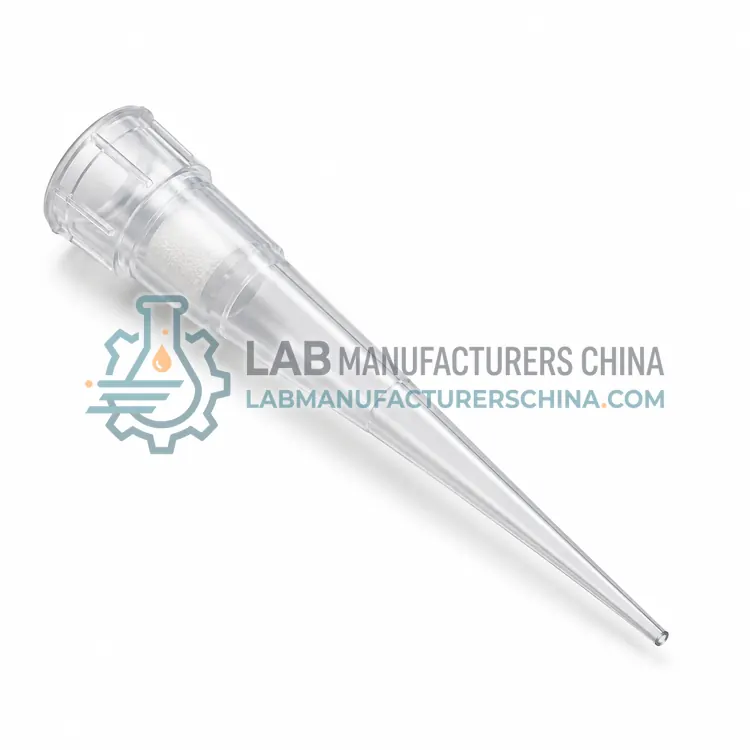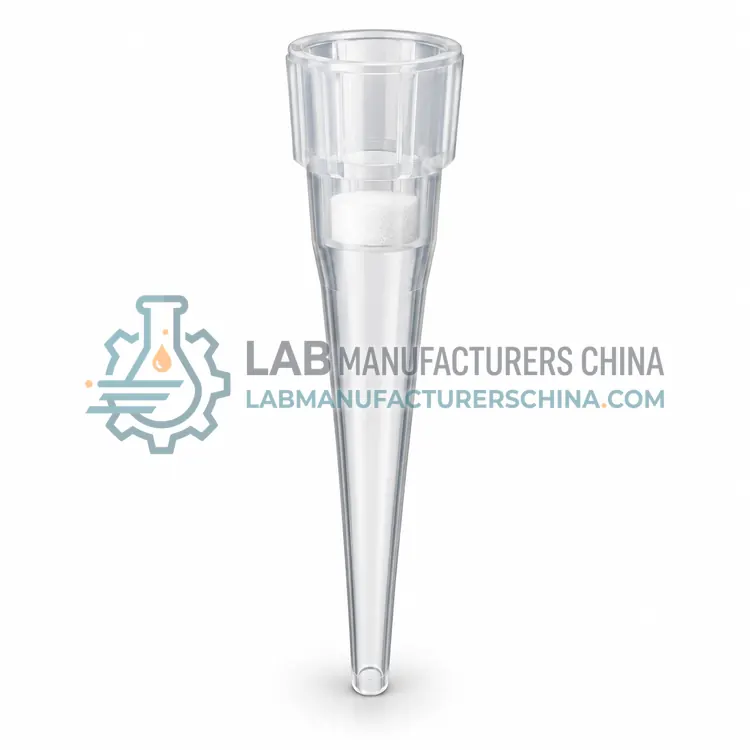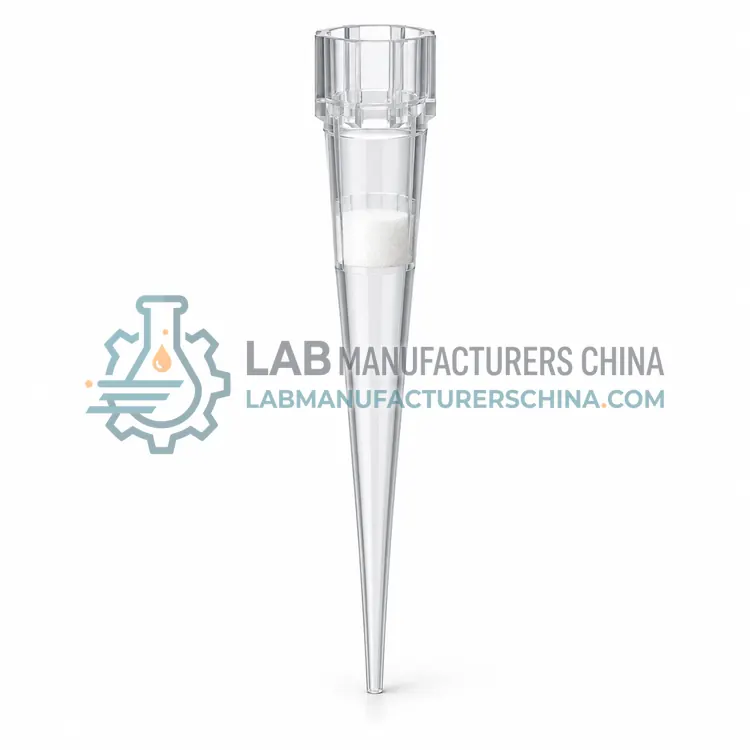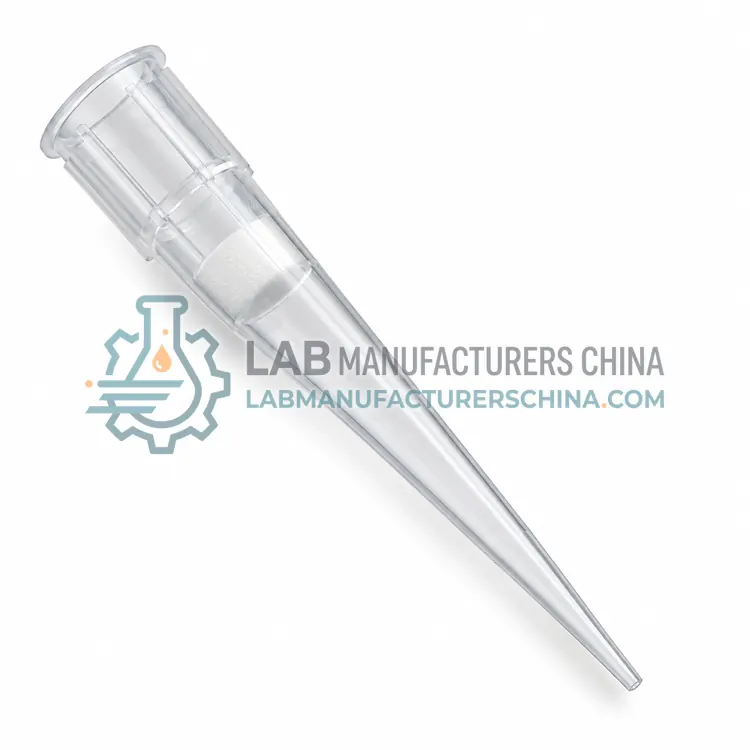
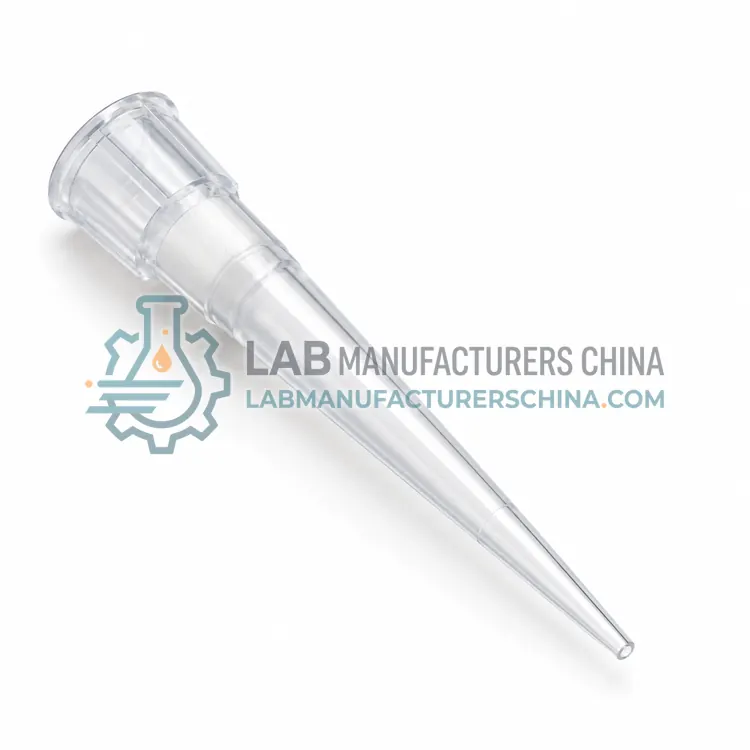
Low-Retention Pipette Tip
低吸附吸头
- SKU PIT-0003
- Pipette Tips
- CE (to be confirmed)
- ISO 9001 manufacturing (to be confirmed)
Price on request — FOB / CIF quoted per order
Prices depend on configuration, quantity and destination port.
Key specifications
| Material | Polypropylene with coating |
|---|---|
| Surface | Low retention |
| Volume range | 10–1000 µL |
| Sterility | Optional |
| Filter | Optional |
| Recovery gain | Method dependent |
Request a quote Download brochure · to be provided
By Lab Manufacturers China Technical TeamLast reviewed Standards: ISO 8655 (piston-operated volumetric apparatus), ISO 13485 (medical device quality management), ISO 10993 (biological evaluation of medical devices)
What is the Low-Retention Pipette Tip?
A low-retention pipette tip has a treated surface that reduces liquid left on the wall. It improves recovery of viscous, surface-active or expensive samples. These tips suit molecular and protein work and precious samples.
What is the Low-Retention Pipette Tip?
A low-retention pipette tip has a treated surface that reduces liquid left on the wall. It improves recovery of viscous, surface-active or expensive samples. These tips suit molecular and protein work and precious samples.
Overview
The tip is moulded from polypropylene and the inner surface is modified, often by a fluoropolymer or other low-energy coating, so water and biological solutions do not cling to the wall. The main benefit is higher recovery and better accuracy when the sample is viscous, foaming, protein-rich or contains surfactant, and when the sample is scarce or costly. Low-retention tips are used in molecular and protein work, in dispensing detergents and in methods where a few percent recovery loss matters. They are available sterile and as filter tips, in volumes from 10 µL to 1000 µL. The coating must be validated with the analyte, since it can change surface behaviour, and it should not be assumed to be free of extractables without supplier data.
How does it work?
A pipette tip works as the sample container and the seal in an air displacement system. The tip pushes onto the pipette shaft or cone, forming an airtight fit, so when the piston draws up an air column the liquid is pulled into the tip by the resulting pressure difference. The volume delivered depends on the seal, the tip geometry, the liquid properties and the technique, so tips are matched to the pipette model and tested with it under ISO 8655. Filter tips contain a hydrophobic barrier that stops aerosol and liquid from reaching the pipette shaft, protecting the instrument and reducing cross contamination between samples. Low-retention tips have a treated surface so less liquid stays on the wall. Wide-bore tips have a larger opening for viscous or fragile liquids, and robotic tips are held and positioned by automated platforms, with dimensional tolerances that allow reliable pick-up.
What are the key features?
- Treated low-energy inner surface
- Improves recovery of viscous samples
- Reduces foam and wall film
- Sterile and filter options
- Volumes 10–1000 µL
- Validate coating with the analyte
What are the technical specifications?
A typical low-retention pipette tip configuration offers material of Polypropylene with coating, surface of Low retention, volume range of 10–1000 µL, sterility of Optional, filter of Optional and recovery gain of Method dependent. Values are indicative of the product class; the exact figures for each configuration are confirmed on the quotation and the calibration documents supplied with the instrument.
Which applications is it used for?
The Low-Retention Pipette Tip is used in protein and peptide handling, detergent-containing buffers, viscous sample transfer and low-volume precious samples. Across the wider Pipette Tips class, laboratories also deploy it for PCR and molecular biology, cell culture and microbiology and clinical sample handling.
Which standards and certifications apply?
Relevant standards and methods include ISO 8655 (piston-operated volumetric apparatus), ISO 13485 (medical device quality management), ISO 10993 (biological evaluation of medical devices), USP <88> (biological reactivity tests) and EN ISO 11607 (packaging for terminally sterilized devices). Certification candidates for this model are CE and ISO 9001 manufacturing; each is to be confirmed for the specific configuration before shipment, and certificates are supplied only where they have been issued.
Verify tip fit and volume accuracy at the working volumes with your pipette, since tip manufacturing tolerances vary. Keep racks sealed until use if tips are sterile or certified nuclease-free, and do not touch the tip body, because skin oils and dust affect wetting and volumes. Change tips between samples to prevent carry-over, and use filter tips as an additional barrier rather than as a substitute for changing tips. Do not autoclave non-sterile tips unless the supplier states they are autoclavable, because heat can deform the cone and destroy the seal. Store tips away from heat, sunlight and solvent vapour, and check that tip height in the rack is uniform. Control static, which makes tips stick to each other and to powders, with an ioniser where needed.
How do I select the right Low-Retention Pipette Tip?
Choose low-retention tips for viscous, foaming or precious samples and small volumes. Confirm sterility, filter option and coating data. RFQ: sample type, volumes, sterility, filter need and validation data. Provide sample type, volumes and validation data.
How does it compare with other Pipette Tips variants?
Match the tip to the pipette model and volume first, since a poor fit causes leaks and volume errors. Choose filter tips when contamination control matters, for PCR, molecular and infectious work, and where the pipette shaft must stay clean. Choose low-retention tips for viscous, foaming, surfactant-containing or precious samples, especially at small volumes. Choose wide-bore tips for cell suspensions, genomic DNA and other viscous or shear-sensitive liquids that would clog or be damaged in a narrow tip. For automated platforms, use the tip specified by the instrument supplier, since rack dimensions, tip height and fit are critical. Confirm that tips are certified free of DNase, RNase, DNA and pyrogens where molecular or cell work requires it, and check sterility if needed. Finally, buy in a quality grade consistent with the method, and verify volume performance with your pipette.
Full specifications
| Material | Polypropylene with coating |
|---|---|
| Surface | Low retention |
| Volume range | 10–1000 µL |
| Sterility | Optional |
| Filter | Optional |
| Recovery gain | Method dependent |
| Foam reduction | Yes |
| Extractables | Supplier data recommended |
| Channels | 1, 8 or 12 |
| Use | Viscous and precious samples |
Indicative values for this product class. Final specifications are confirmed on the quotation and in the calibration documents supplied with the instrument.
Applications
- Protein and peptide handling
- Detergent-containing buffers
- Viscous sample transfer
- Low-volume precious samples
Key features
- Treated low-energy inner surface
- Improves recovery of viscous samples
- Reduces foam and wall film
- Sterile and filter options
- Volumes 10–1000 µL
- Validate coating with the analyte
Frequently asked questions about Low-Retention Pipette Tip
It depends on the liquid and the volume, but several percent improvement is common for viscous or surfactant-containing samples. Verify with your analyte, since coatings behave differently.
Not necessarily. The coating changes the surface and may itself release small amounts of material, so extractables data should be requested for sensitive methods, and the coating validated with the analyte.
Yes. Less liquid films on the wall and the treated surface reduces foam formation, so volumes are more reproducible when pipetting protein solutions or buffers with detergent.
The tip must push onto the shaft or cone with a slight resistance and form an airtight seal, and it should not wobble or fall off. Use tips recommended for the pipette model and verify volumes.
For PCR, molecular biology, infectious samples and any work where aerosol must not reach the pipette shaft. They protect the instrument and reduce cross contamination, but do not replace changing tips.
The treated surface reduces the film of liquid left on the tip wall, improving recovery and accuracy for viscous, surfactant-containing or expensive samples, especially at microlitre volumes.
Related models