Fermentation Process Controller
发酵过程控制器
- SKU FCS-0001
- Fermentation Control Systems
- CE (to be confirmed)
- ISO 9001 manufacturing (to be confirmed)
- IEC 61010-1 compliance (to be confirmed)
Price on request — FOB / CIF quoted per order
Prices depend on configuration, quantity and destination port.
Key specifications
| Control loops | 4–16 loops |
|---|---|
| Analog inputs | 8–32, pH/DO/temperature/pressure |
| Outputs | Analog and relay for pumps, valves, heaters |
| Control modes | On-off, proportional, PID, cascade |
| Data logging | Interval logging with export |
| Display | Color touchscreen or front panel |
Request a quote Download brochure · to be provided
By Lab Manufacturers China Technical TeamLast reviewed Standards: EU GMP Annex 11, 21 CFR Part 11, IEC 61010-1
What is the Fermentation Process Controller?
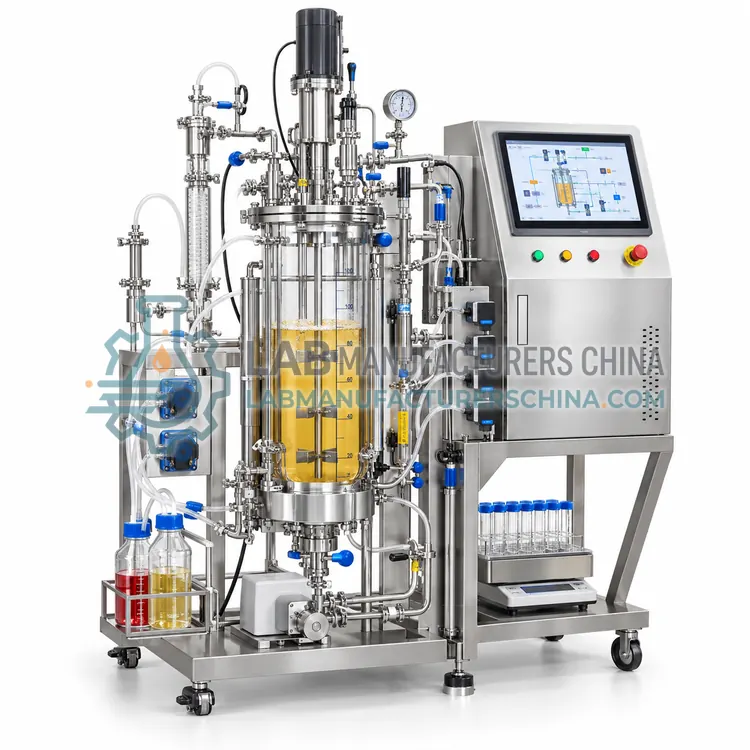
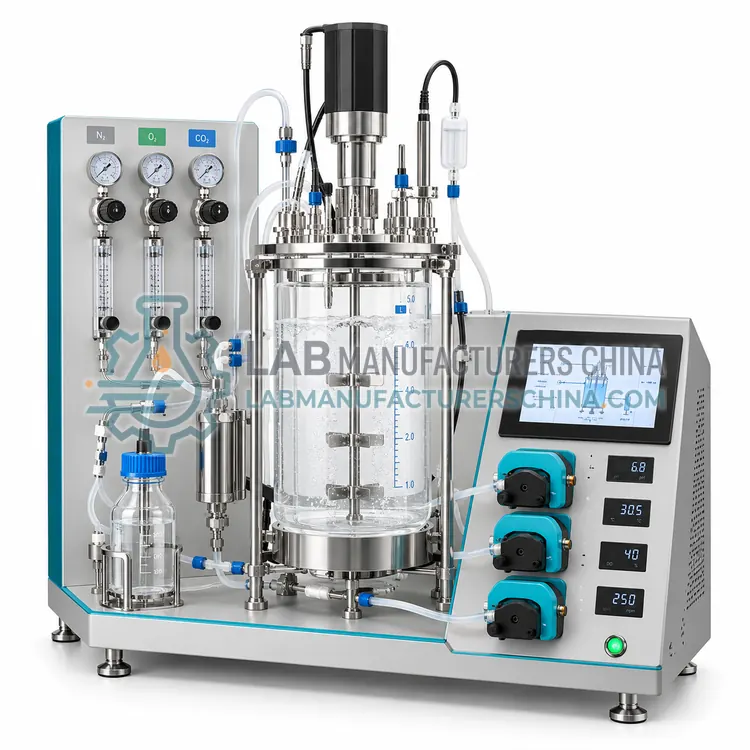
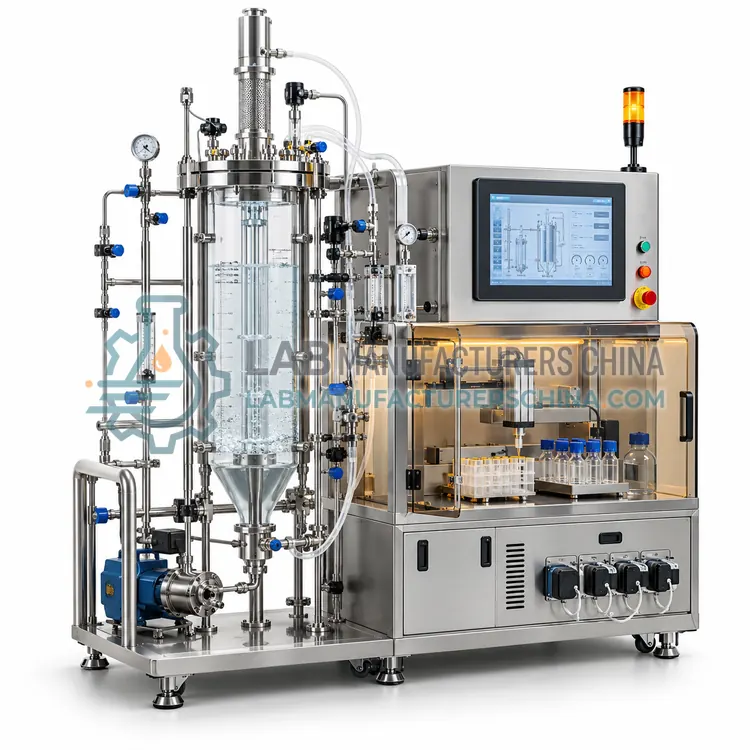
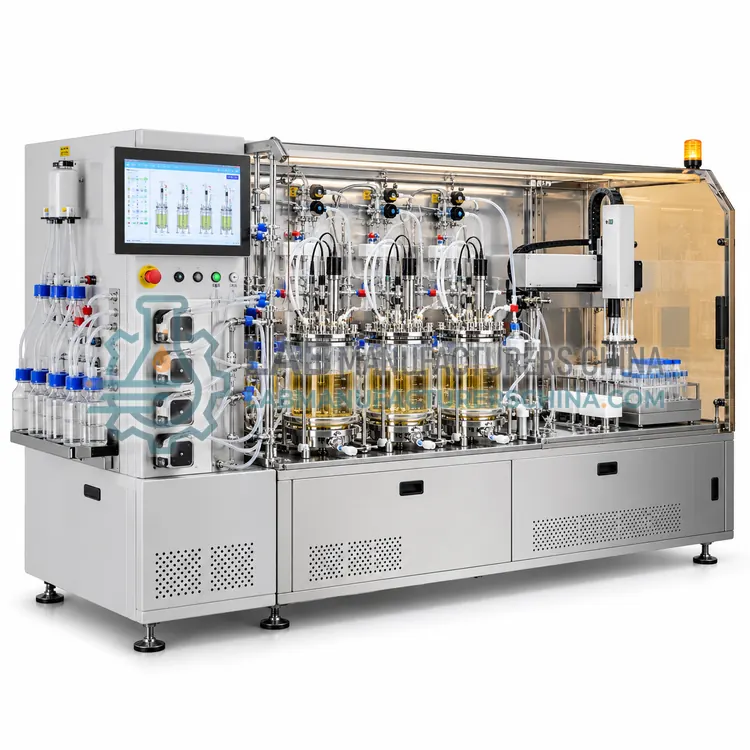
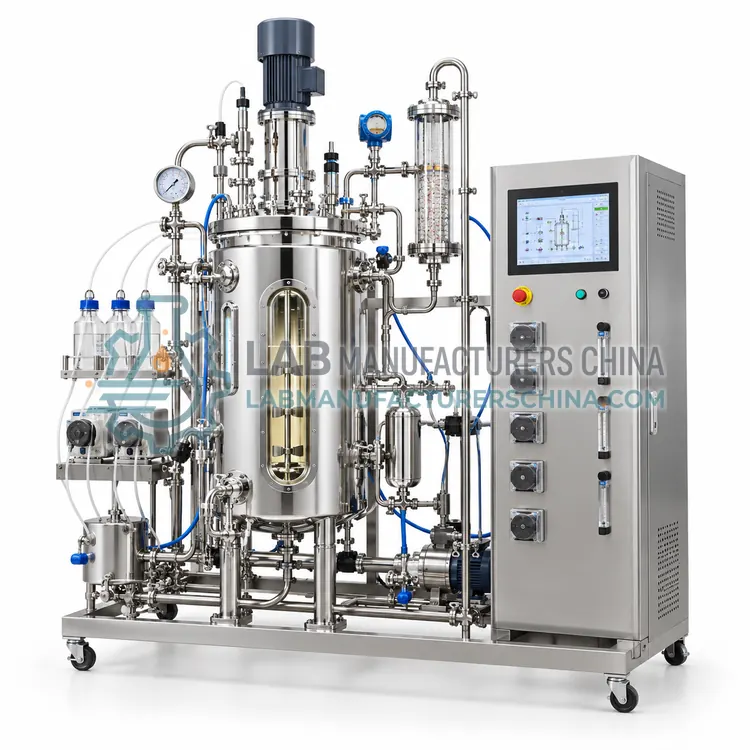
A fermentation process controller is a compact unit that regulates temperature, pH, dissolved oxygen and feed for one vessel. It is the basic control and recording layer on laboratory and small pilot fermenters.
What is the Fermentation Process Controller?
A fermentation process controller is a compact unit that regulates temperature, pH, dissolved oxygen and feed for one vessel. It is the basic control and recording layer on laboratory and small pilot fermenters.
Overview
A fermentation process controller provides the loops, displays and outputs needed to run one vessel. It accepts analog signals from pH, dissolved oxygen and temperature probes, drives heating and cooling, stirrer speed, gas valves and peristaltic pumps, and supports PID tuning for each loop. Setpoint profiles, ramps and timed events let operators program a batch, and data are displayed as trends and stored for export. Many controllers include cascade control for dissolved oxygen and inputs for foam, level or redox probes. Front-panel buttons or a touchscreen allow local operation, while a communication port transfers data to a computer. Compact controllers are common on laboratory and small pilot vessels, where they provide the essential control and recording without a large automation system.
How does it work?
Fermentation control systems measure process variables with sensors, compare them with setpoints and adjust actuators to reduce the difference. Temperature is controlled by heating or cooling through a jacket or blanket, using on-off, proportional or PID action. pH is maintained by dosing acid or base, and dissolved oxygen by cascade control that first adjusts gas flow or oxygen fraction and then agitation speed. Feed pumps deliver carbon source by flow, weight or a profile, and antifoam is added when a foam sensor detects buildup. Controllers display trends, log data and raise alarms when values leave limit bands, and networked systems collect data from several vessels into one record. Gas mixing and off-gas analysis add finer control, and calibration, probe health and actuator response determine how well the loops perform.
What are the key features?
- PID loops for temperature, pH and dissolved oxygen
- Cascade control with gas and agitation outputs
- Setpoint profiles, ramps and timed events
- Inputs for foam, level or redox probes
- Local display with data export
What are the technical specifications?
A typical fermentation process controller configuration offers control loops of 4–16 loops, analog inputs of 8–32, pH/DO/temperature/pressure, outputs of Analog and relay for pumps, valves, heaters, control modes of On-off, proportional, PID, cascade, data logging of Interval logging with export and display of Color touchscreen or front panel. Values are indicative of the product class; the exact figures for each configuration are confirmed on the quotation and the calibration documents supplied with the instrument.
Which applications is it used for?
The Fermentation Process Controller is used in laboratory fermenter control, small pilot vessel control, process development experiments and teaching and training. Across the wider Fermentation Control Systems class, laboratories also deploy it for fermentation and cell culture control, process development and scale-up and regulated batch production and records.
Which standards and certifications apply?
Relevant standards and methods include EU GMP Annex 11, 21 CFR Part 11, IEC 61010-1, IEC 61508, ISO 9001, ICH Q11 and GAMP 5. Certification candidates for this model are CE, ISO 9001 manufacturing and IEC 61010-1 compliance; each is to be confirmed for the specific configuration before shipment, and certificates are supplied only where they have been issued.
Calibrate pH and dissolved oxygen probes on a defined schedule and record the calibration in the batch file, because these measurements drift with use and sterilization. Verify actuator response, such as pump calibration and valve travel, so that control output matches the actual liquid or gas delivered. Protect controllers from moisture, heat and electrical noise, and use uninterruptible power for critical runs. Test alarm and failsafe behaviour, including what happens if a probe or pump fails during a long culture. For networked systems, back up configurations and data, control software versions and manage changes formally. Keep operator manuals and training current, and confirm the electrical installation meets IEC 61010-1.
How do I select the right Fermentation Process Controller?
Choose a process controller for single-vessel work where compact local control is enough. In an RFQ specify loop count, input and output types, control modes, profile programming, logging interval, communication and the probe types supported by the unit.
How does it compare with other Fermentation Control Systems variants?
Define the loops and signals you must control and record before choosing hardware. Count the analog inputs for pH, dissolved oxygen, temperature, pressure and level, and the outputs for pumps, valves, heaters and stirrers, and confirm that spare capacity allows later expansion. Decide whether you need standalone single-vessel control or a networked system that shares data across vessels and integrates with a manufacturing execution or laboratory information system. Check PID tuning capability, cascade control, profile and ramp functions, and whether off-gas or gas-mixing control is included. For regulated work, require user access control, audit trails, alarm logging and batch reporting, and confirm the software can be validated. Consider probe calibration workflow, alarm escalation, communication protocols and the availability of spares and support.
Full specifications
| Control loops | 4–16 loops |
|---|---|
| Analog inputs | 8–32, pH/DO/temperature/pressure |
| Outputs | Analog and relay for pumps, valves, heaters |
| Control modes | On-off, proportional, PID, cascade |
| Data logging | Interval logging with export |
| Display | Color touchscreen or front panel |
| Communication | Ethernet, RS-485, USB |
| Power supply | 100–240 V, 50/60 Hz |
Indicative values for this product class. Final specifications are confirmed on the quotation and in the calibration documents supplied with the instrument.
Applications
- Laboratory fermenter control
- Small pilot vessel control
- Process development experiments
- Teaching and training
Key features
- PID loops for temperature, pH and dissolved oxygen
- Cascade control with gas and agitation outputs
- Setpoint profiles, ramps and timed events
- Inputs for foam, level or redox probes
- Local display with data export
Frequently asked questions about Fermentation Process Controller
Count one loop for each controlled variable, typically temperature, pH, dissolved oxygen and foam, plus any level, redox or feed loops. Add spare capacity so that a second vessel or an extra gas channel can be connected later without replacing the controller.
Yes, most controllers allow manual PID tuning and often include auto-tune functions. Tuning is done at the operating conditions of the process, because vessel volume, jacket performance and probe response change the dynamics, so settings should be verified per vessel and medium.
Batch data are usually stored internally and exported as CSV or transferred over Ethernet using a vendor protocol or OPC. For regulated work, the record should include timestamps, setpoints, actual values and alarms, and be transferred into the batch documentation.
It measures temperature, pH, dissolved oxygen and other variables, adjusts pumps, valves and heaters to hold setpoints, and records the batch profile. It also raises alarms on deviations, which is essential for reproducibility and for documenting regulated production.
Cascade control holds a primary variable, such as dissolved oxygen, by adjusting secondary variables in sequence, usually gas flow first and then agitation speed. This keeps control stable when demand changes and avoids using excessive stirring that could damage shear-sensitive cells.
Measuring carbon dioxide and oxygen in the exhaust gas gives an indirect view of metabolic activity and the respiratory quotient without taking samples. This helps trigger feed changes, detect metabolic shifts and support scale-up calculations, and it can be used as a control input.
Related models