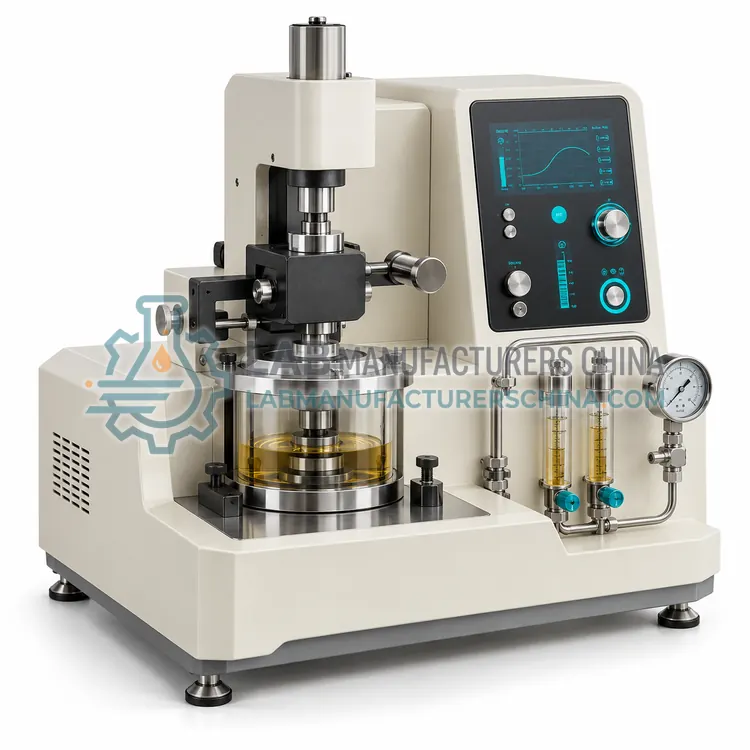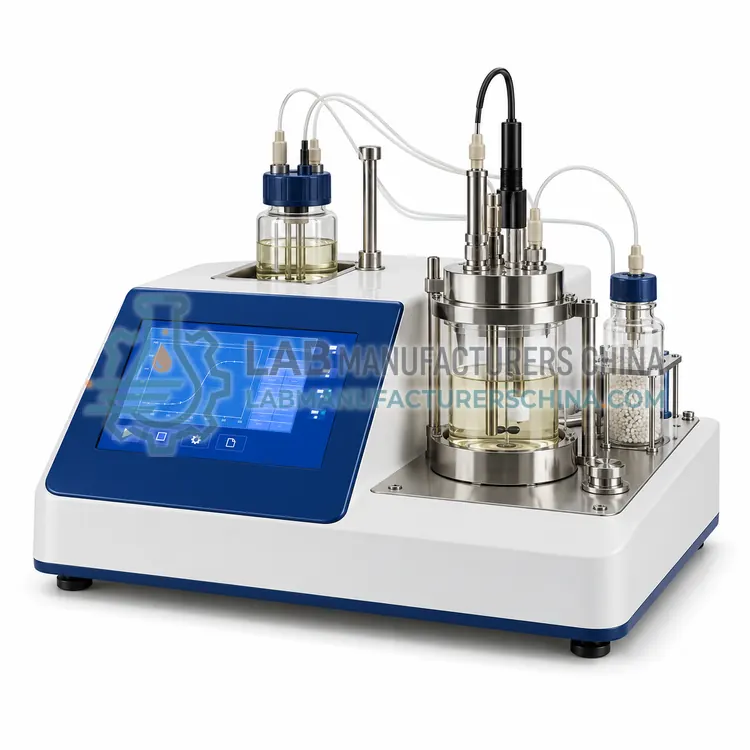
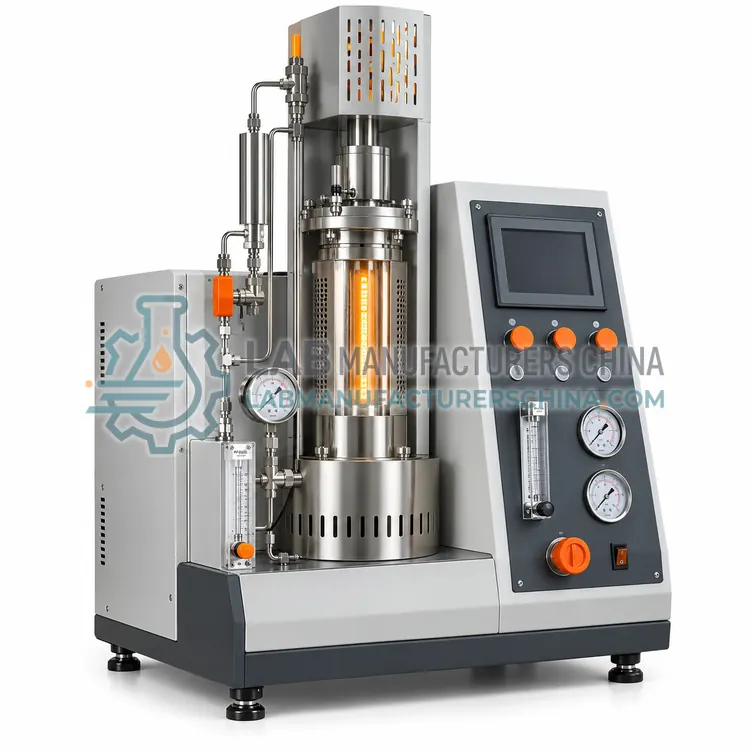
Infrared Combustion Sulfur Analyzer for Coal
红外燃烧法煤硫分析仪
- SKU SAN-0002
- Sulfur Analyzers
- CE (to be confirmed)
- ISO 9001 manufacturing (to be confirmed)
Price on request — FOB / CIF quoted per order
Prices depend on configuration, quantity and destination port.
Key specifications
| Sulfur measurement range | 0.01–100 % depending on calibration |
|---|---|
| Furnace temperature | 1350–1500 °C |
| Analysis time | 2–5 min per sample |
| Sample mass | 0.1–0.5 g |
| Detector | NDIR sulfur dioxide cell |
| Repeatability | Within ASTM D4239 limits |
Request a quote Download brochure · to be provided
By Lab Manufacturers China Technical TeamLast reviewed Standards: ASTM D4239, ASTM D3177, ASTM D5016
What is the Infrared Combustion Sulfur Analyzer for Coal?
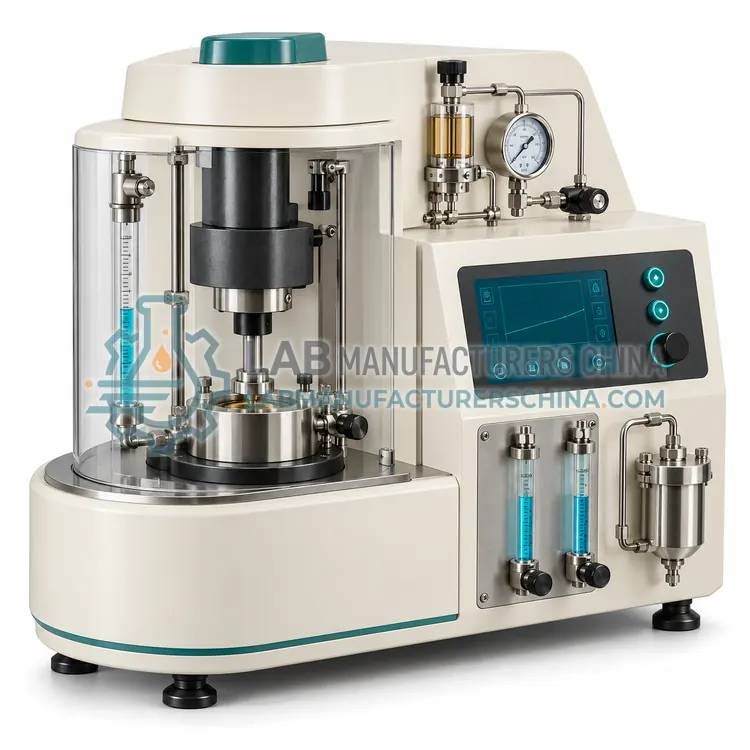
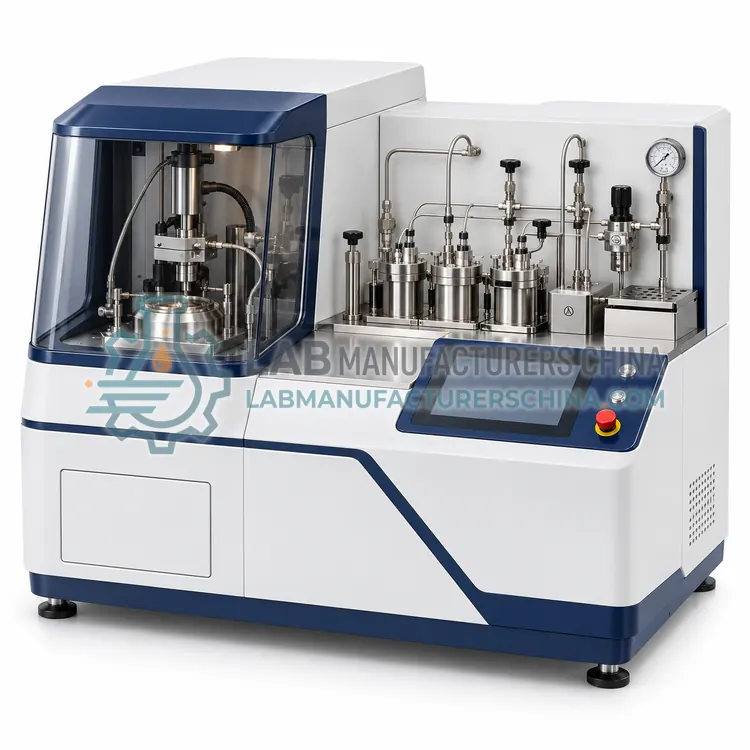
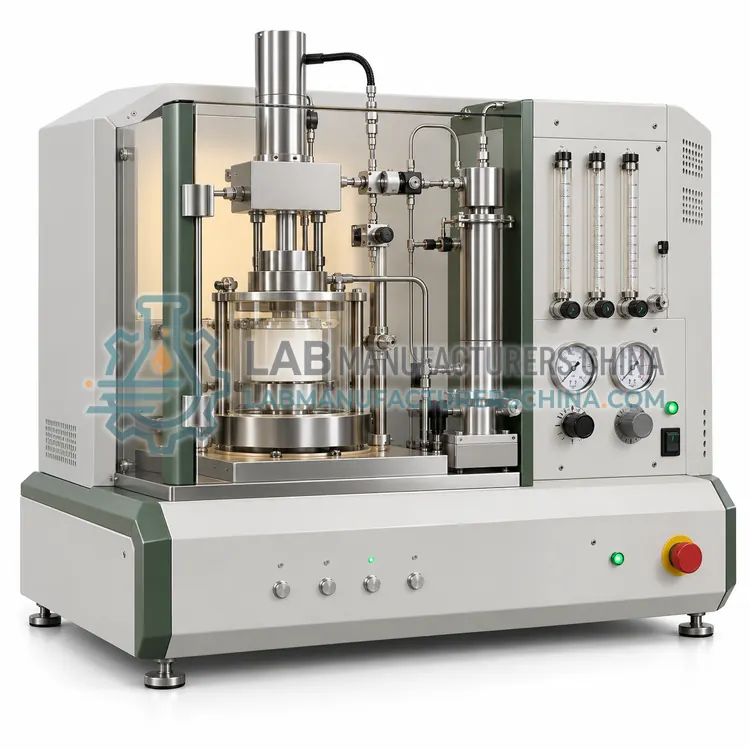
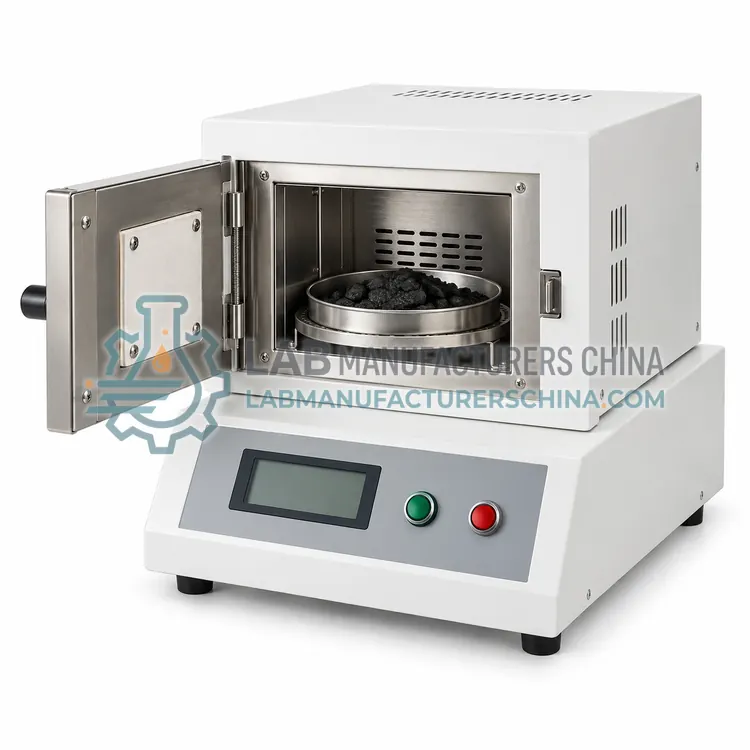
An infrared combustion sulfur analyzer burns coal or coke in oxygen and measures the sulfur dioxide produced with a non-dispersive infrared cell. It covers a wide sulfur range quickly and is the routine choice in many commercial laboratories.
What is the Infrared Combustion Sulfur Analyzer for Coal?
An infrared combustion sulfur analyzer burns coal or coke in oxygen and measures the sulfur dioxide produced with a non-dispersive infrared cell. It covers a wide sulfur range quickly and is the routine choice in many commercial laboratories.
Overview
A weighed sample in a ceramic crucible is combusted in a stream of oxygen in an induction or resistance furnace at 1350 °C or above. The combustion gases pass through a dust and moisture trap to a non-dispersive infrared cell tuned to the sulfur dioxide absorption band, and the integrated signal over the combustion period gives the sulfur mass. Carbon and moisture traps prevent interference from other combustion products. Calibration is performed with certified reference coals, and stability is monitored with a sample of known sulfur. Instruments of this type usually accept larger sample masses than coulometric units, can also be configured for carbon and hydrogen, and are well suited to a wide range of ranks, provided the furnace temperature and oxygen flow are sufficient for complete combustion of slow-burning cokes.
How does it work?
Sulfur in coal occurs as sulfate, pyritic sulfide and organic compounds, and total sulfur is normally determined after complete combustion. A weighed sample is burned in oxygen at about 1350 °C in a tube furnace, converting sulfur to sulfur dioxide and trioxide. In an infrared analyzer the gas passes through a cell and its absorption of infrared light is quantified against a calibration from reference coals. In a coulometric titrator the gas is absorbed in an electrolyte and sulfur is titrated electrolytically, with the titration current integrated to give the mass of sulfur. Classical Eschka and bomb-washing procedures dissolve the sulfur and finish by gravimetric or acidimetric titration. X-ray fluorescence estimates sulfur from the sulfur peak intensity against matrix calibrations, and on-line prompt gamma neutron activation units irradiate the whole coal stream and count gamma rays emitted by sulfur nuclei. Results are reported on as-received, dry or dry ash-free basis.
What are the key features?
- Resistance or induction furnace above 1350 °C
- Non-dispersive infrared sulfur dioxide detector
- Dust, moisture and halogen traps on the gas path
- Calibration with certified reference coals
- Optional carbon and hydrogen measurement channels
- Automatic crucible feeding on carousel models
What are the technical specifications?
A typical infrared combustion sulfur analyzer for coal configuration offers sulfur measurement range of 0.01–100 % depending on calibration, furnace temperature of 1350–1500 °C, analysis time of 2–5 min per sample, sample mass of 0.1–0.5 g, detector of NDIR sulfur dioxide cell and repeatability of Within ASTM D4239 limits. Values are indicative of the product class; the exact figures for each configuration are confirmed on the quotation and the calibration documents supplied with the instrument.
Which applications is it used for?
The Infrared Combustion Sulfur Analyzer for Coal is used in commercial coal laboratory sulfur analysis, coke sulfur determination for steelmaking, coal preparation plant quality control and research on coal desulfurization. Across the wider Sulfur Analyzers class, laboratories also deploy it for contract sulfur limit verification for coal shipments, power station SO2 emission control and coal preparation plant desulfurization control.
Which standards and certifications apply?
Relevant standards and methods include ASTM D4239, ASTM D3177, ASTM D5016, ISO 351, ISO 334, ISO 19579, GB/T 214, ASTM D4326 and IEC 61010-1. Certification candidates for this model are CE and ISO 9001 manufacturing; each is to be confirmed for the specific configuration before shipment, and certificates are supplied only where they have been issued.
Place combustion sulfur analyzers under an extraction hood and provide dry, oil-free oxygen at the required purity and pressure, since moisture and hydrocarbons disturb the detector. Set the furnace temperature and check it with a calibrated thermocouple, because low temperature leaves sulfur unvolatilized and biases results low. Condition and replace the catalyst, reagent and filters on the schedule given for your sample load, and verify performance daily with a reference coal that brackets your working range. Keep an up-to-date calibration from coals of similar rank, and recheck after any hardware change. For XRF and neutron analyzers, document the calibration model and radiation licensing, and compare results with the combustion reference method at defined intervals. Record the reporting basis for every result.
How do I select the right Infrared Combustion Sulfur Analyzer for Coal?
Select the infrared combustion analyzer for a broad sulfur range, larger sample masses and high throughput, particularly if you also want carbon or hydrogen channels. Confirm the furnace temperature is adequate for your coke or low-volatile samples, and specify crucible carousel size, gas supplies and reference materials.
How does it compare with other Sulfur Analyzers variants?
Start from the method named in your contract and from the sulfur level you must resolve, because repeatability becomes critical near regulatory limits such as 0.5 % or 1 % sulfur. Infrared combustion instruments are the most common choice for routine coal analysis: they are fast, cover a wide range and use reference coal calibrations. Coulometric titration analyzers are widely used in Chinese and other national laboratories, are economical and reach low detection limits, but need careful electrolyte management. Acidimetric titration equipment remains the classical route for coke and for laboratories that prefer a wet-chemical finish. X-ray fluorescence gives near-instant screening and combines sulfur with ash reporting, but is a secondary method. On-line neutron activation suits blending and washing control where whole-stream data are more useful than spot samples, though licensing applies.
Full specifications
| Sulfur measurement range | 0.01–100 % depending on calibration |
|---|---|
| Furnace temperature | 1350–1500 °C |
| Analysis time | 2–5 min per sample |
| Sample mass | 0.1–0.5 g |
| Detector | NDIR sulfur dioxide cell |
| Repeatability | Within ASTM D4239 limits |
| Carousel positions | 20–60 crucibles |
| Data output | USB, LAN |
Indicative values for this product class. Final specifications are confirmed on the quotation and in the calibration documents supplied with the instrument.
Applications
- Commercial coal laboratory sulfur analysis
- Coke sulfur determination for steelmaking
- Coal preparation plant quality control
- Research on coal desulfurization
Key features
- Resistance or induction furnace above 1350 °C
- Non-dispersive infrared sulfur dioxide detector
- Dust, moisture and halogen traps on the gas path
- Calibration with certified reference coals
- Optional carbon and hydrogen measurement channels
- Automatic crucible feeding on carousel models
Frequently asked questions about Infrared Combustion Sulfur Analyzer for Coal
With suitable calibrations it spans about 0.01 % to 100 %, though most coal work falls between 0.1 % and 5 %. Very low levels need a longer integration time and careful blank control.
Incomplete combustion is the usual cause, because coke is less reactive than coal. Raising the furnace temperature, extending the combustion time, using a combustion aid or reducing the sample mass usually resolves it.
Many infrared combustion analyzers offer optional carbon and hydrogen channels, since the combustion gas stream already exists. Adding them requires separate detectors, calibrations and, for hydrogen, a water trap and flow control.
Coal contains sulfate sulfur, pyritic sulfur and organic sulfur. Routine instruments report the total, while specialized procedures determine forms separately. Only total sulfur is normally needed for combustion and emission calculations.
High-temperature combustion in oxygen at about 1350 °C with either infrared detection or coulometric titration, as described in ASTM D4239, ISO 351 and GB/T 214. Both finish fast enough for routine batch testing.
Sulfur compounds must be decomposed and oxidized completely. If the combustion zone is below the required temperature, part of the sulfur stays in the ash and the result is biased low, so temperature is verified with a calibrated thermocouple.
Related models